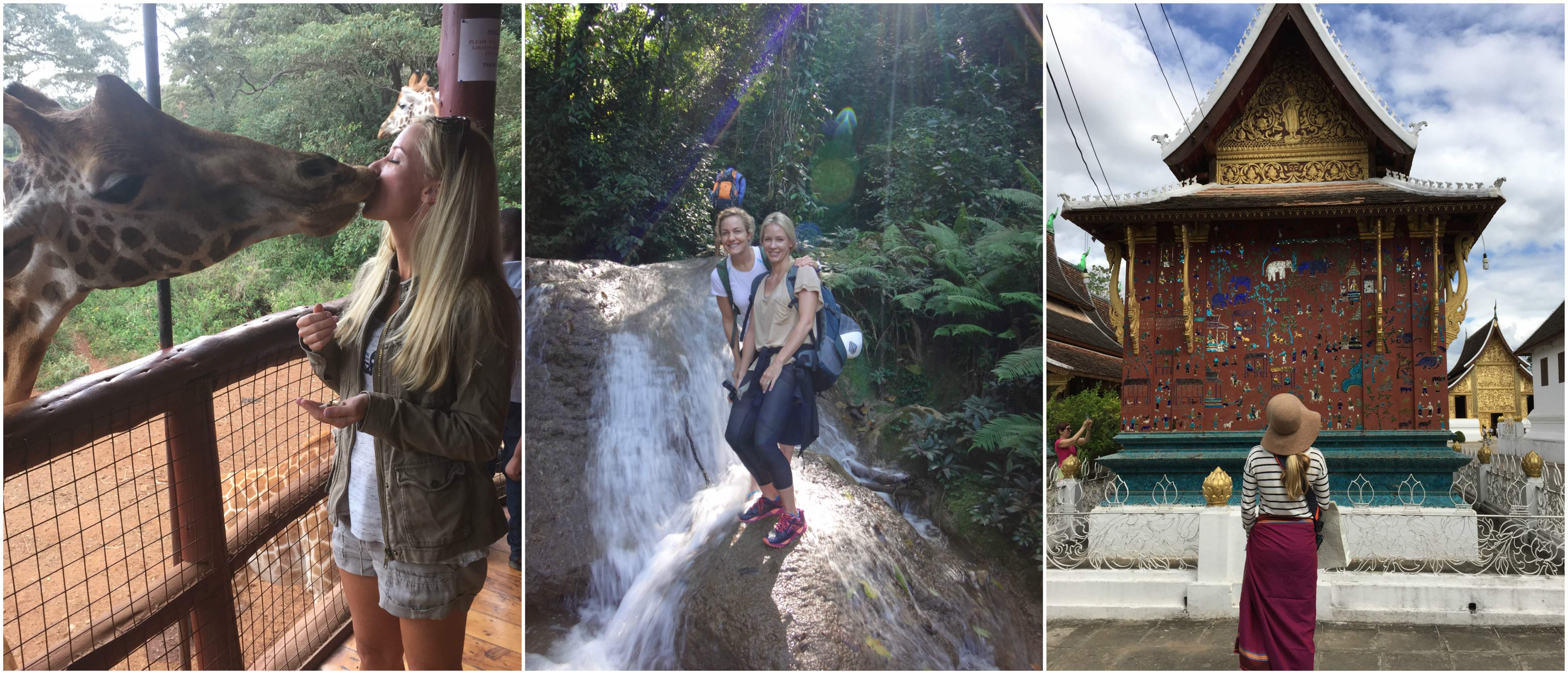
Backtracking to phase II, we had the North America segment, which is home, and we had four legs of our RTW ticket here. Eddie had a few more legs than I did (because he didn’t travel through Southeast Asia with me), so we purchased my ticket to Mexico. We decided to travel to Playa Del Carmen and New York City. They were perfect additions to our adventure!
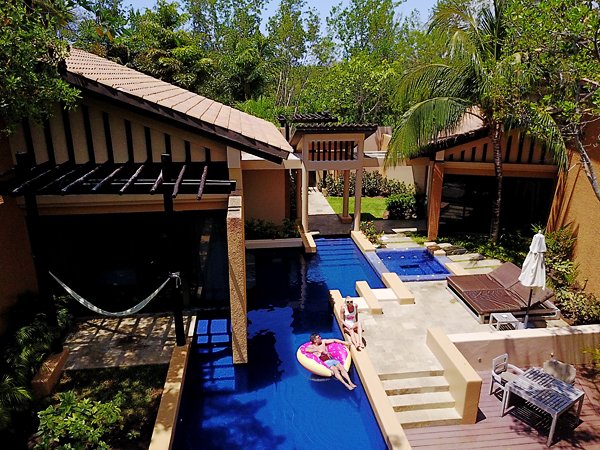
Planning this final phase has been significantly less stressful than planning the first phase. I think having the experience helps, but it also helps that during this phase I’ll visit half the number of countries, there are no visas or vaccinations required and I find it easier to navigate Europe’s transportation infrastructure.
This final phase will be filled with big cities, small villages, mountains and beaches. All reached by big planes, small planes, boats, trains and cars. And, it will include some of the most beautiful hotels in the world.
So, without further ado, here is the Phase III itinerary:
Switzerland
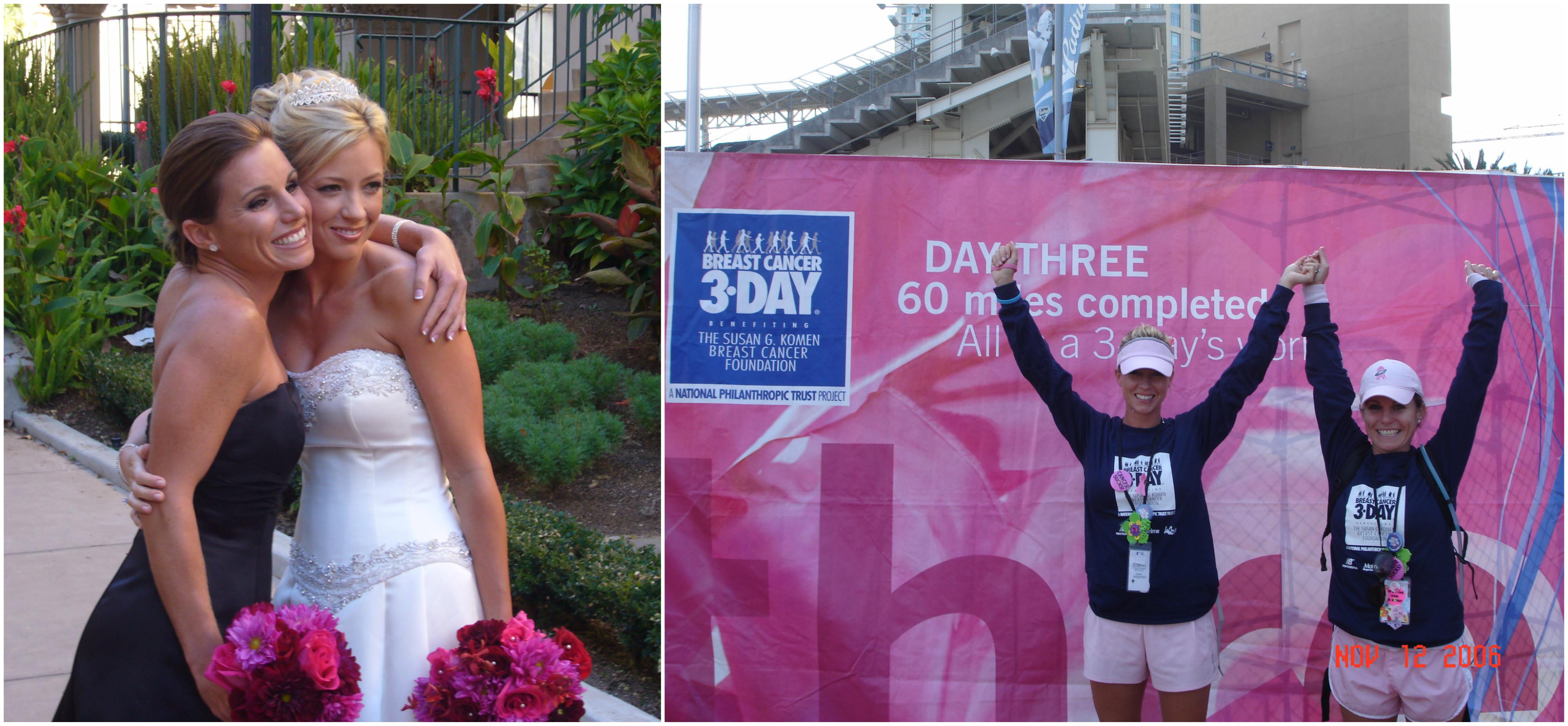
Girl’s trip! One of my best friends, one of the first people I met when I moved to San Diego, will be joining me for the Switzerland leg of this trip. She only bought her ticket two weeks ago and I am ecstatic she is joining me! We have done quite a bit of “life” together: she was with me when my husband asked me out, I witnessed her engagement, we were in each other’s weddings, I saw her become a mom, and we have shed a few tears together. I love that we get to add this experience to that list. She is a “glass half full” gal with an adventurist spirit. So much so, that she (at her own request) doesn’t know much about our itinerary. And, knowing that we will be in some phenomenal hotels, she has opted to not look at anything about them so that she can be surprised upon arrival. To her amazing tribe who has helped make this happen, I am so grateful for you. Thank you.
Switzerland has intrigued me for the past few years. I’ve always thought I would go to enjoy the winter wonderland seen in countless photos, but it’s the summer photos that finally reeled me in. This will be the perfect combination of active luxury. And, although Switzerland is known for her amazing trains, we have opted instead to drive so that we can have more control over stops. You just never know when spontaneous picnicking will need to happen.
Instagram, TripAdvisor and Google played major parts in destination selection.
Lucerne
Seriously, look up images of Lucerne.
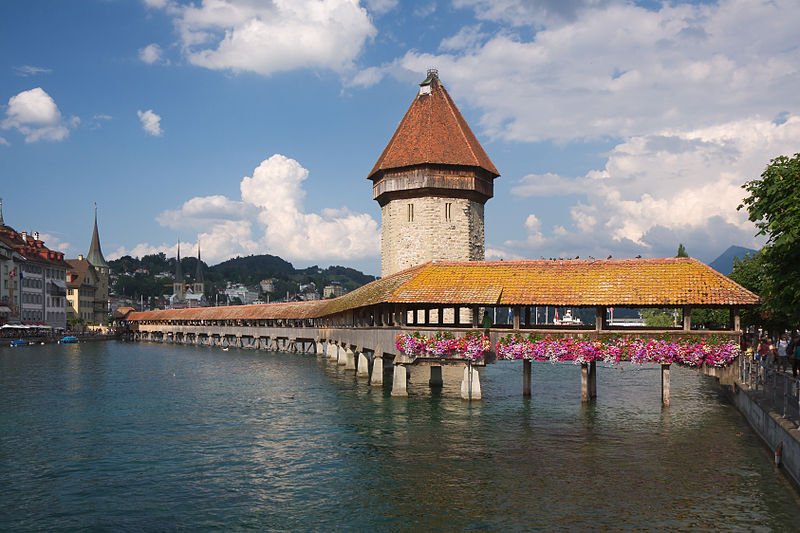
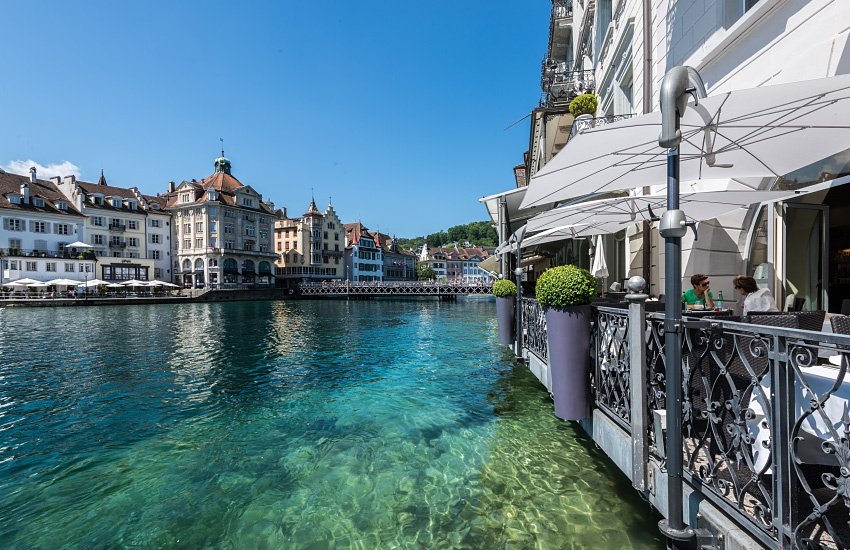
It’s a picturesque city with the perfect blend of modernity and tradition. We will be there during the Lucerne Summer Festival, which means lots of live music! We will be staying at the historic Hotel Des Balances, which sits right on the Reuss River, perfectly nestled in the heart of Old Town. It is as elegant as it is historic, and its beautiful façade and terrace have made it one of the most photographed landmarks in the area.
Adelboden
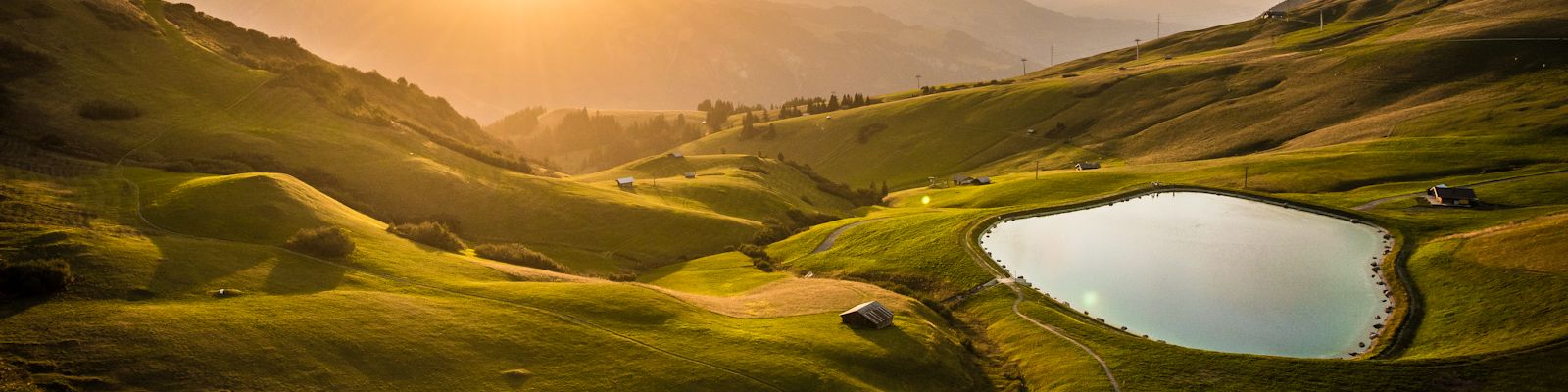
Adelboden is a beloved village in the Bernese Alps. Skiers flock to it in the winter, but it is great for hiking in the summer. We’ll do some hiking, fondue eating, cable car riding and waterfall chasing here.
Pontresina
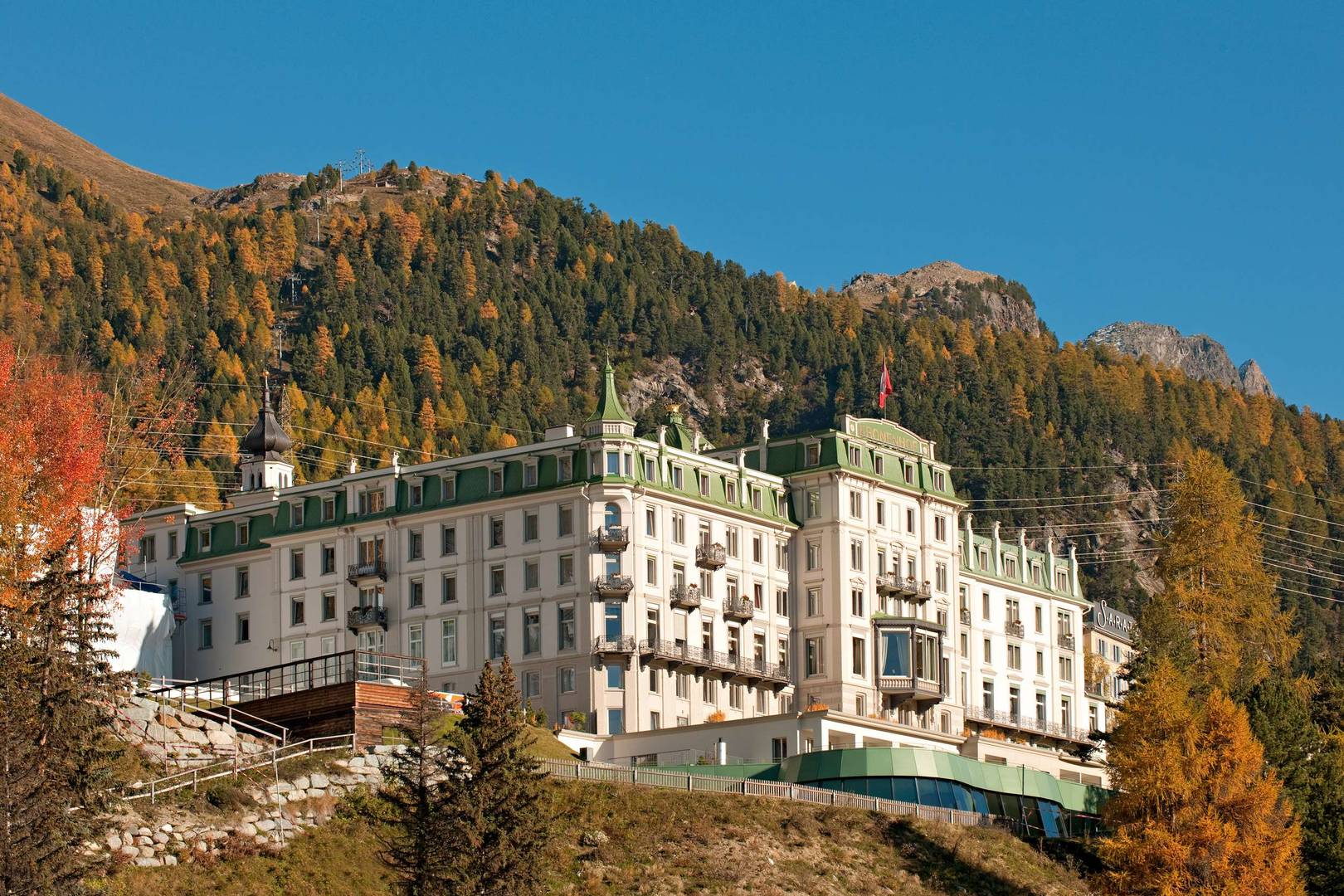
Welcome to the land of the Belle Époque. We’ll enjoy the beautiful lakes and a fraction of the 580 kilometers of hiking trails that weave through the area. We will be staying at the historic and absolutely beautiful Grand Hotel Kronenhof, which is one the most architecturally significant Alpine hotels of the 19th century. The region and the hotel are known for wellness, so we will enjoy some time at Grand Hotel Kronenhof’s 2,0000 square meter spa.
We will spend our final night in Geneva. Maybe. We have no plans, nor do we even have a hotel booked, but that’s the fun of it! The next morning, Megan will return home and I will move on to France.
France
This will be my second trip to France and my first time traveling solo internationally. This excites me as much as it intimidates me. More than anything, it will be a great “growing” experience. And, humbling. It will undoubtedly be humbling.
Alsace
I’ll move on to Alsace in northeastern France. Up until last week, I had planned on going to the south of France, but logistics were an issue. So, I am still planning this part out. So far, two things are certain: the towns in Alsace are absolutely adorable and I will definitely be doing some wine tasting.
Paris
This will be my second time to visit Paris. I struggled with whether I should write the following, but here it goes: I didn’t fall in love with Paris like so many others have. I didn’t dislike it. I just don’t swoon over it when I speak of it. But I am confident that this is a “me” issue and not a “Paris” issue. On our last visit, we devoted all of our time to Paris’s popular sites. So, this time, I am just going to enjoy the city itself.
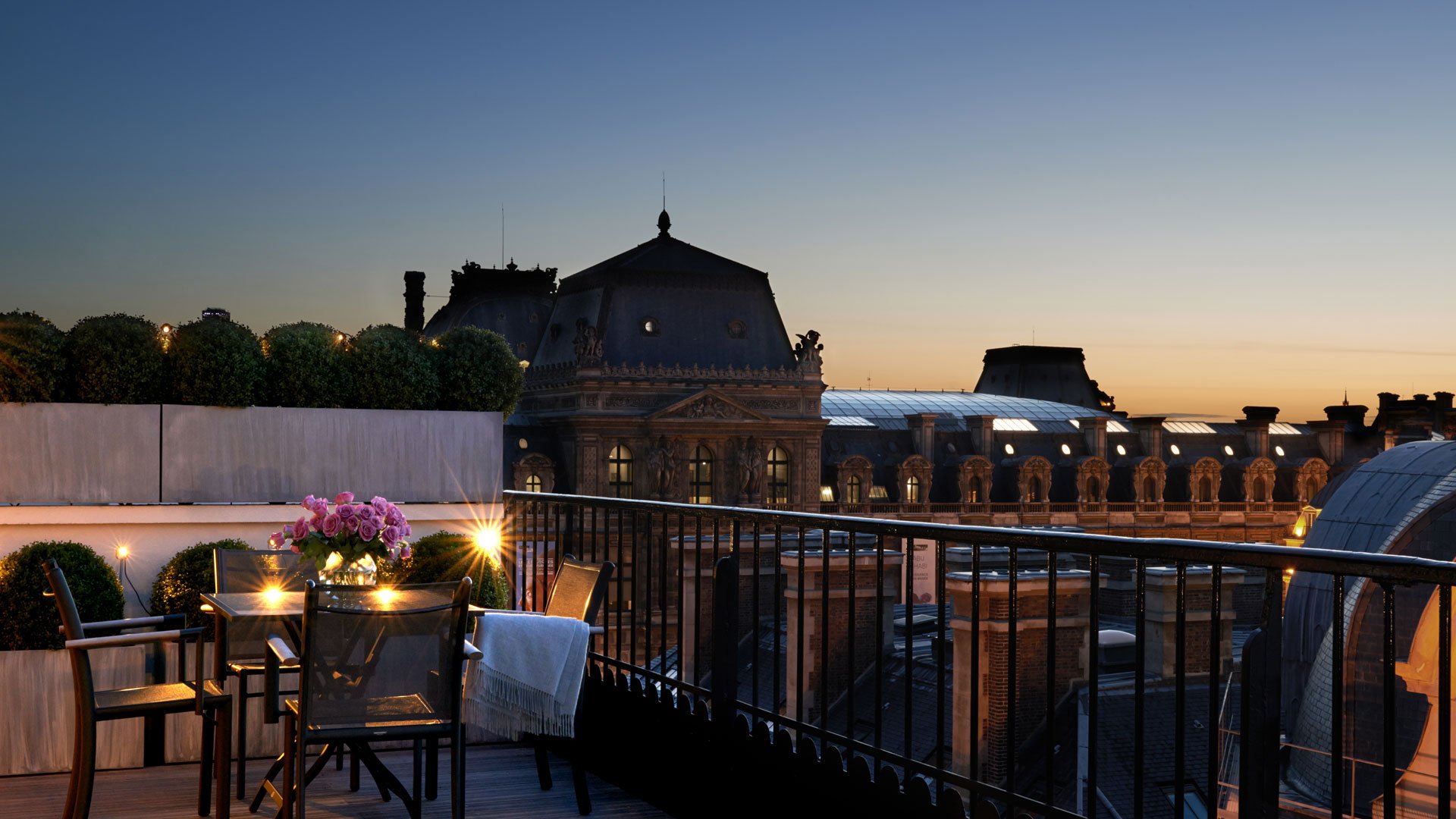
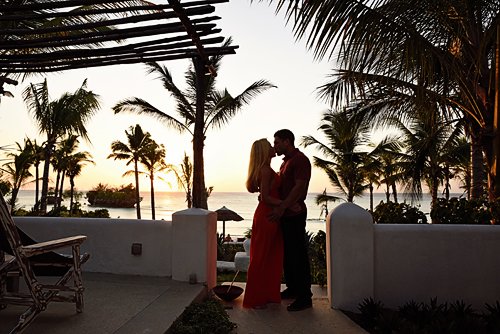
And, the best part: this is where Eddie and I will be reunited after two weeks apart. How romantic! Of course, I had to find the perfect lodging for us. One that is romantically Paris. And, the Grand Hotel Du Palais Royal perfectly fits the bill. Nestled in a historic 18th century building, in the heart of Paris and overlooking the Palais Royal Garden, the Grand Hotel Palais Royal may be what makes me fall in love with Paris. And, they have a champagne bar. These things are important.
Croatia
It seems like Croatia has been the place to be this summer! There are so many wonderful places to choose from and our six days will barely scratch the surface. We don’t have many “activities” planned and really just want to explore. I’ve put Eddie in charge of finding dining options (which he is masterful at) and a few other activities for us. We will use the ferries to city and island hop the Dalmatian coast!
Split
Split is the second largest city in Croatia, known for beaches, ruins and nightlife. So, those are the three things we will enjoy during our 24 hours there!
Hvar
The first time I saw Hvar is when a friend posted a picture of it. I knew I had to go the minute I saw it! This will mainly be beach time for us. It’s been recommended that we rent a scooter (yikes!) and hunt for secret beaches. Have you been to Hvar? I’d love your recommendations!
Korcula
Korcula is said to be just as beautiful as Hvar and a lot less crowded. We have one planned activity: a full day of island hopping and wine tasting—the very two things that drew me to Korcula.
Dubrovnik
Our only plan here is to get lost in the city, exploring the beautiful ancient walls I’ve seen pictured so many times, the old town and the beaches. Okay, and King’s Landing. We are going to find King’s Landing.

Seychelles
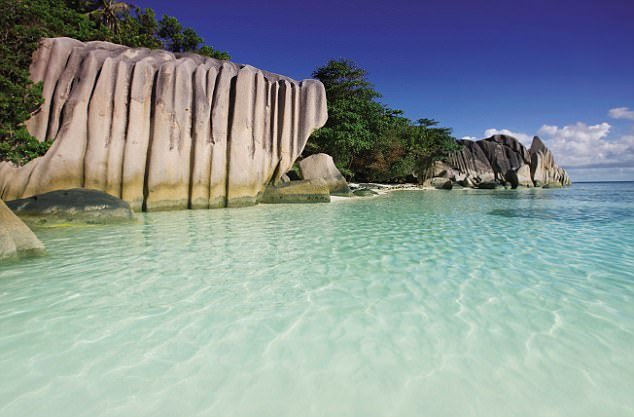
The Seychelles: the place that has held the number one spot on my bucket list for 15 years. And, a return to Africa. As a side note, I was very particular about the type of plane we take to get here, so be on the lookout for that! After a week of hopping around from place to place, the Seychelles will be a week of relaxing and enjoying those beautiful blue waters, as well as some beautiful properties. We may do a little bit of island hopping and I will be perpetually on the lookout for those incredible giant tortoises.
The “I’m not ready to go home” Journey Home
Our RTW ticket ends in the Seychelles. We used American miles for a ticket home on Etihad. This means a (short) overnight layover in Abu Dhabi. I really wish we could stay longer, but our plan is to go straight from the airport to Sheikh Zayed Grand Mosque and then to our hotel, where we will have dinner at one of the best restaurants in the city. Our time is short, but we will make the best of it!
Our flight from Abu Dhabi only takes us to New York and our afternoon arrival time doesn’t give us enough time to get on a flight home. Such a shame. So, we’re spending the night and all of the next day in New York! We’ve no idea where we are staying. Those are details that will just have to wait.
What do you think of this final phase? Have you been to any of these places? I’d love to know your recommendations, so please comment below!
I have loved sharing this journey with you so far and can’t wait to share the last part of it!
Follow on Instagram for daily posts and stories and Facebook for pics from each day. Of course, there will be a thorough recap once I return home!
The post “Round the World”: The Phase III Itinerary first appeared on When is Now.]]>
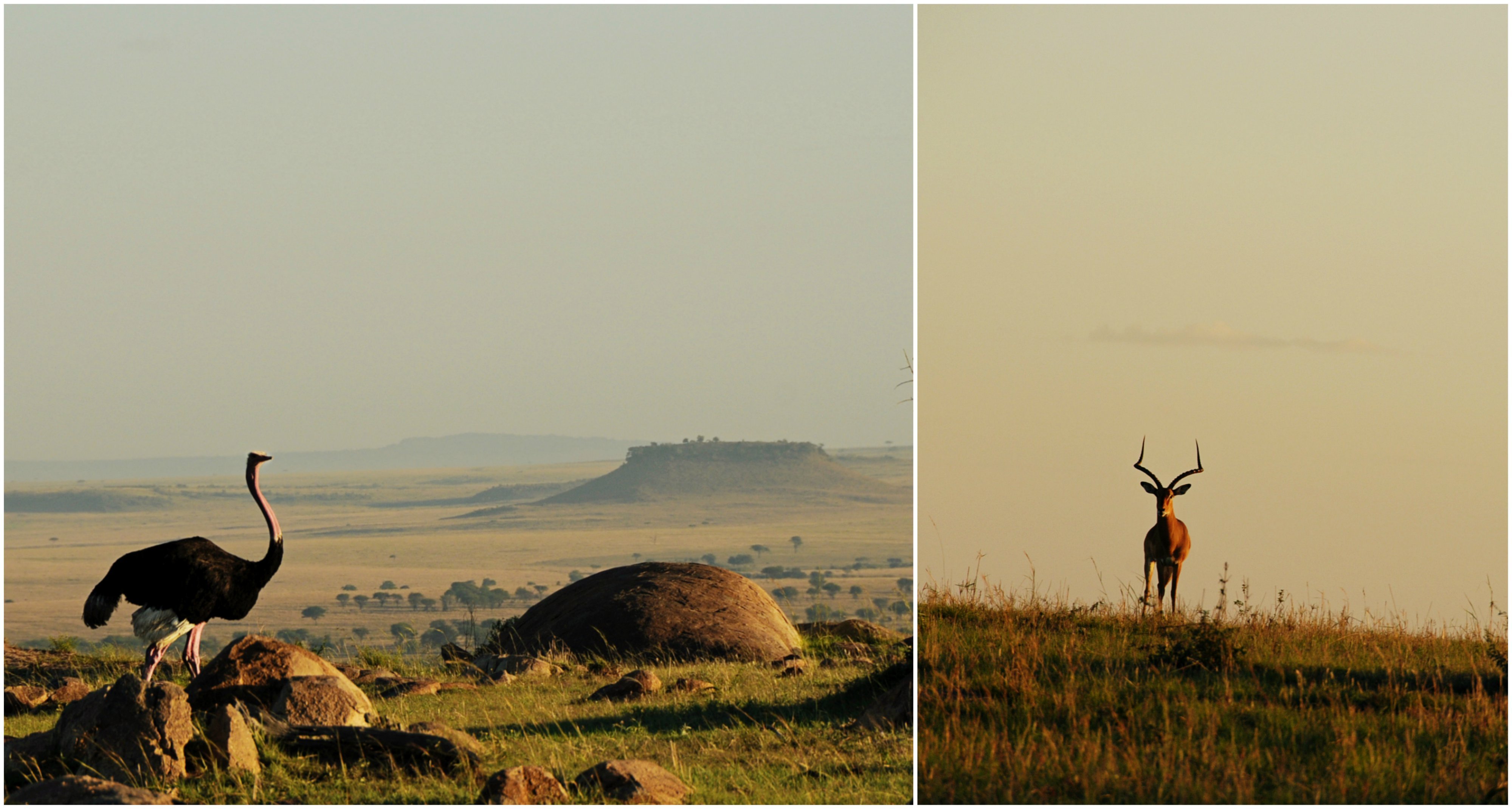
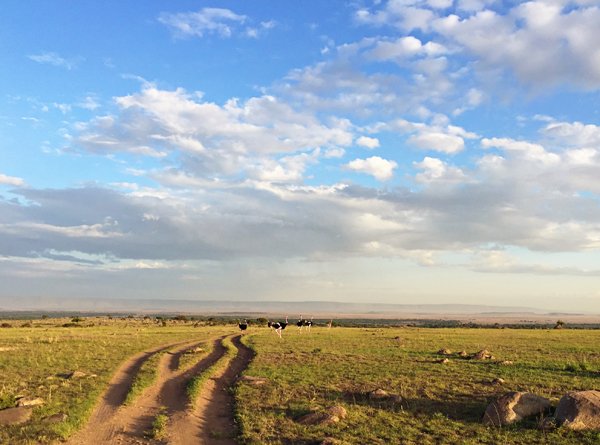
As mentioned in the previous Lamai Serengeti post, this was my fourth safari and my second trip to the northern Serengeti. As much as I love the bush, I am particularly drawn to this area. I love the landscape, the topography, the bright blue skies, with fluffy white clouds, and how quickly and dramatically that sky can change when an afternoon storm rolls in.
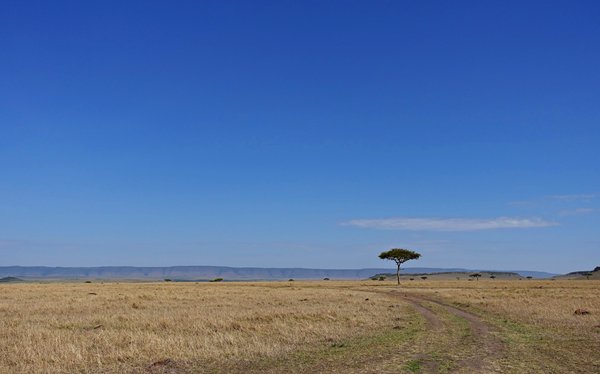
I love the ancient kopjes that dot the landscape, the people and the lack of crowds. My only hope with this photo essay is that the following words and photos portray how truly special this piece of the world is.
Day 1: Laz the Wish Granter
When Lazaro picked us up from the airstrip, he gave us an introduction to Lamai, the Serengeti and how game drives work. Then, he looked at us very seriously and asked, “What do you want to see while you are here?” We tried to explain to him that we are not “big five” people (people who need to see the entire big five within a two day period) and that we really just love the safari experience and taking time to sit with the animals. Lazaro was not remotely satisfied by that answer:
Laz: Okay. But what do you really want to see?
Me: Elephants (always).
Ten minutes later:
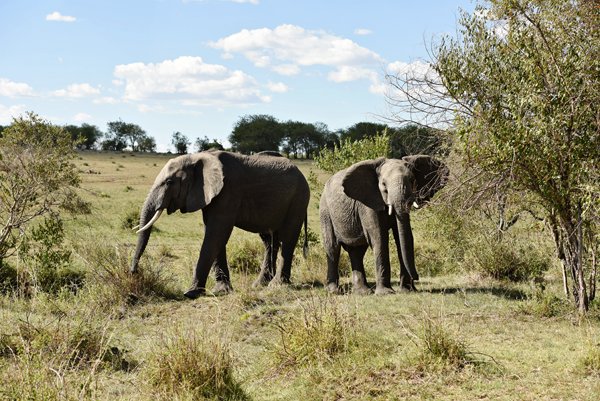
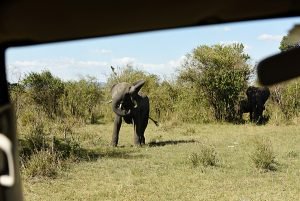
So, there we sat with a big herd of beautiful eles, watching them gracefully move, pull the grass and bushes from the ground with their powerful trunks and listening to their low rumble. And, almost immediately, we were entertained by a young bull letting us know that we were in HIS space by showing us his persuasive mock charge.
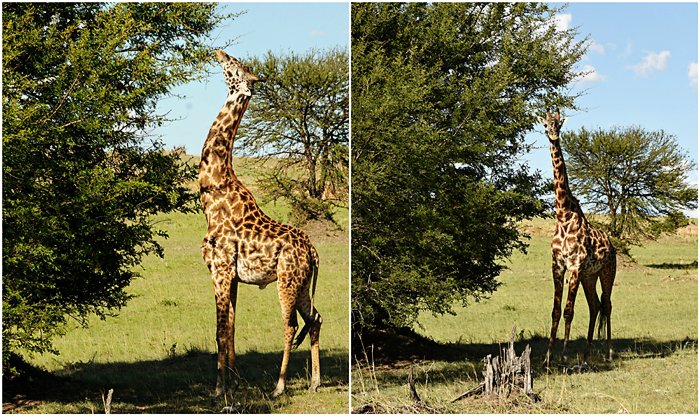
As we left them, we saw this beauty having a snack.
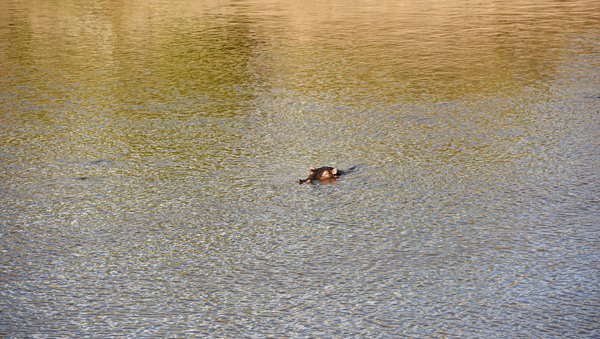
We drove along the Mara River on our way to the lodge and got a peek at the top of the head and tiny ears of this hippo. Don’t be fooled by their cuteness, they are one of the most dangerous animals in Africa.
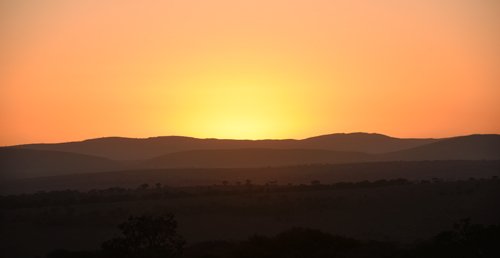
We worked our way back to the lodge, where we would meet the rest of the Lamai crew and get ready for the full days of safari to follow. Sunsets in the bush are an event in and of themselves and we enjoyed a beautiful one right from the expansive deck of our room. Have you read our review of Lamai Serengeti, yet?
Day 2: Cats, Cats and More Cats
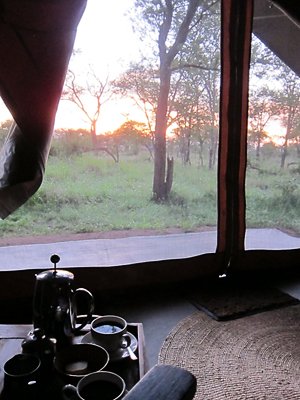
Our wakeup call came right before sunrise and we witnessed the beauty of the sun rising over the Serengeti from our room, coffee in hand, before taking off on our drive.
The morning light and the way it casts a warm glow on the animals and the landscape in the Serengeti will take your breath away.
The first thing we did this morning was check out the kopje that had become home base for a mama leopard and her two very young cubs, AKA the “Leopard House”. There was some concern that only one of the two had been seen over the past couple of days. When we pulled up to the kopje, we saw mom sleeping, but no cubs. We sat with her for a moment and then moved on.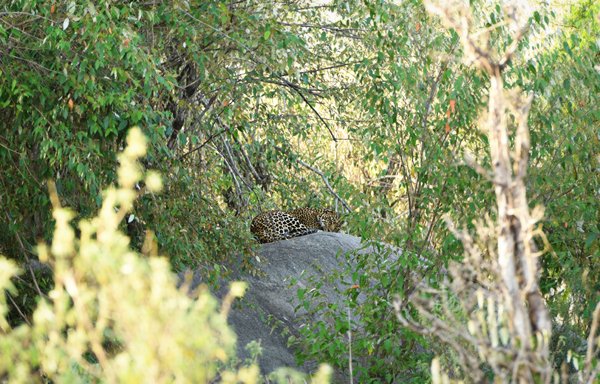
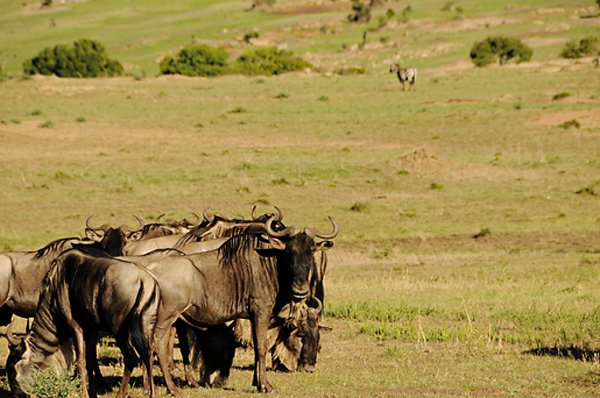
We saw a few lingering wildebeest, but the majority had followed the migration towards the rains. They are such strange looking animals.
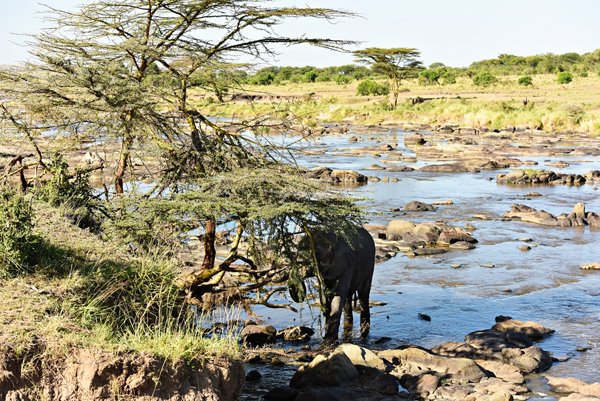
As the morning hours passed, Laz (thankfully) reminded us that we should have breakfast. We pulled on to the cliffs overlooking the Mara River to a spot with a perfect view of a pod of hippos. Laz got out of the vehicle to inspect the surrounding area to make sure we were alone and safe. He returned a minute later with a big grin on his face. I thought that meant we were good to go, but Laz got into the vehicle, pulled it forward a few feet and said “look”.
This guy was already having breakfast in our spot.
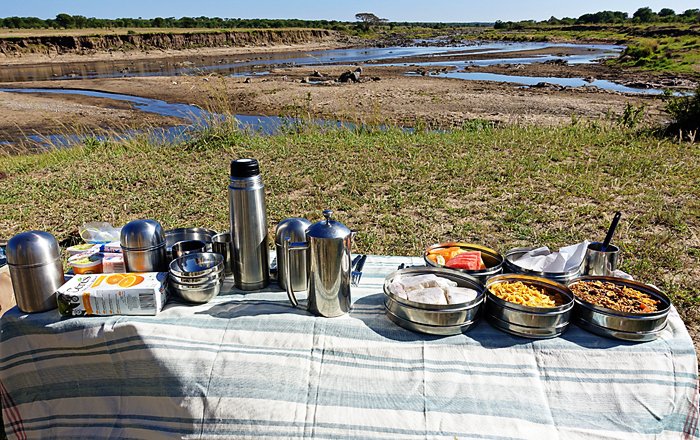
We moved farther down the Mara, where Laz set up an entire breakfast spread. Oh how I love a bush breakfast, and this one was a game changer with delicious breakfast sandwiches, homemade granola and fresh, local coffee.
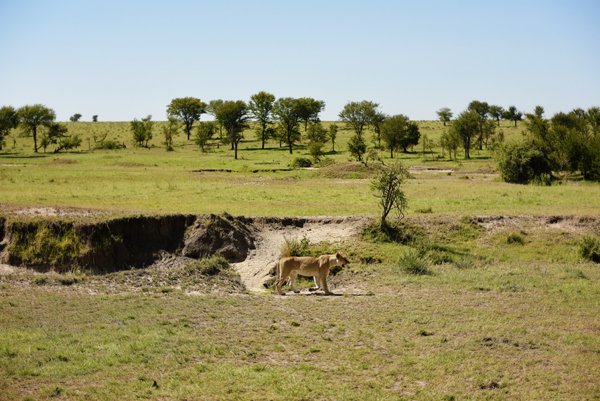
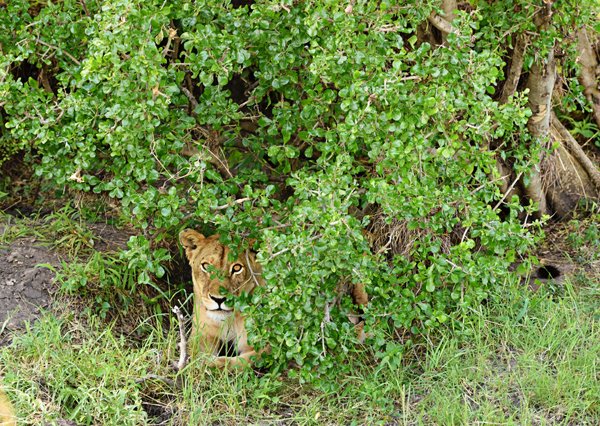
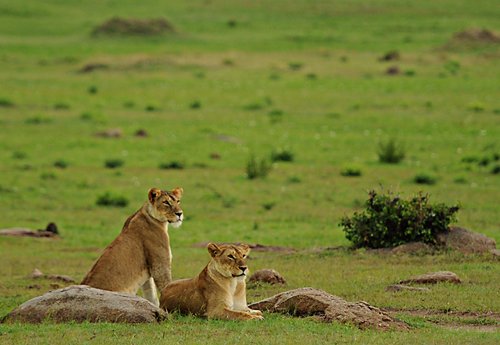
We hopped into the vehicle with full bellies and a solid caffeine buzz, and drove just a bit before we saw our first big cats: lions. River beds are a great place to find these beauties.
I love the sleek and confident walk of the big cats. There is such power, grace and purpose within each step.
And when you lock eyes with them, It is like they are staring into your soul. They do this right when they spot you and then carry on as if you were not even there.
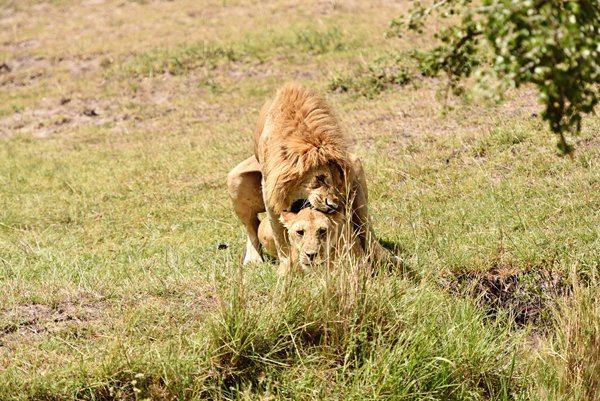
Further down the riverbed, we saw two lions mating, which is a rare treat. And we saw it TWICE. It looks like such an aggressive ritual, but it is over within seconds. They will spend a week mating.
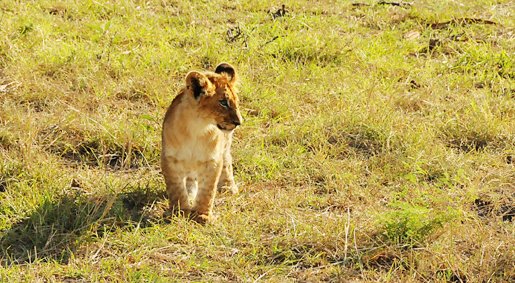
And then we had our first cub sighting.
We went back to the Lamai lodge for some lunch and some R&R before our evening game drive.
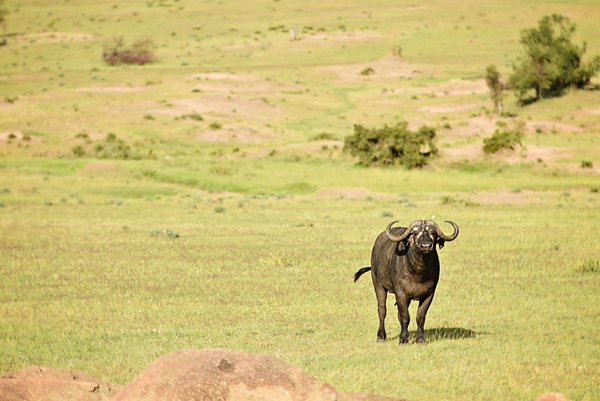
On our way out for our evening drive, we came across one of the five old buffalos that hang out near the lodge. I once heard someone say that buffalo always look at you like you owe them money…
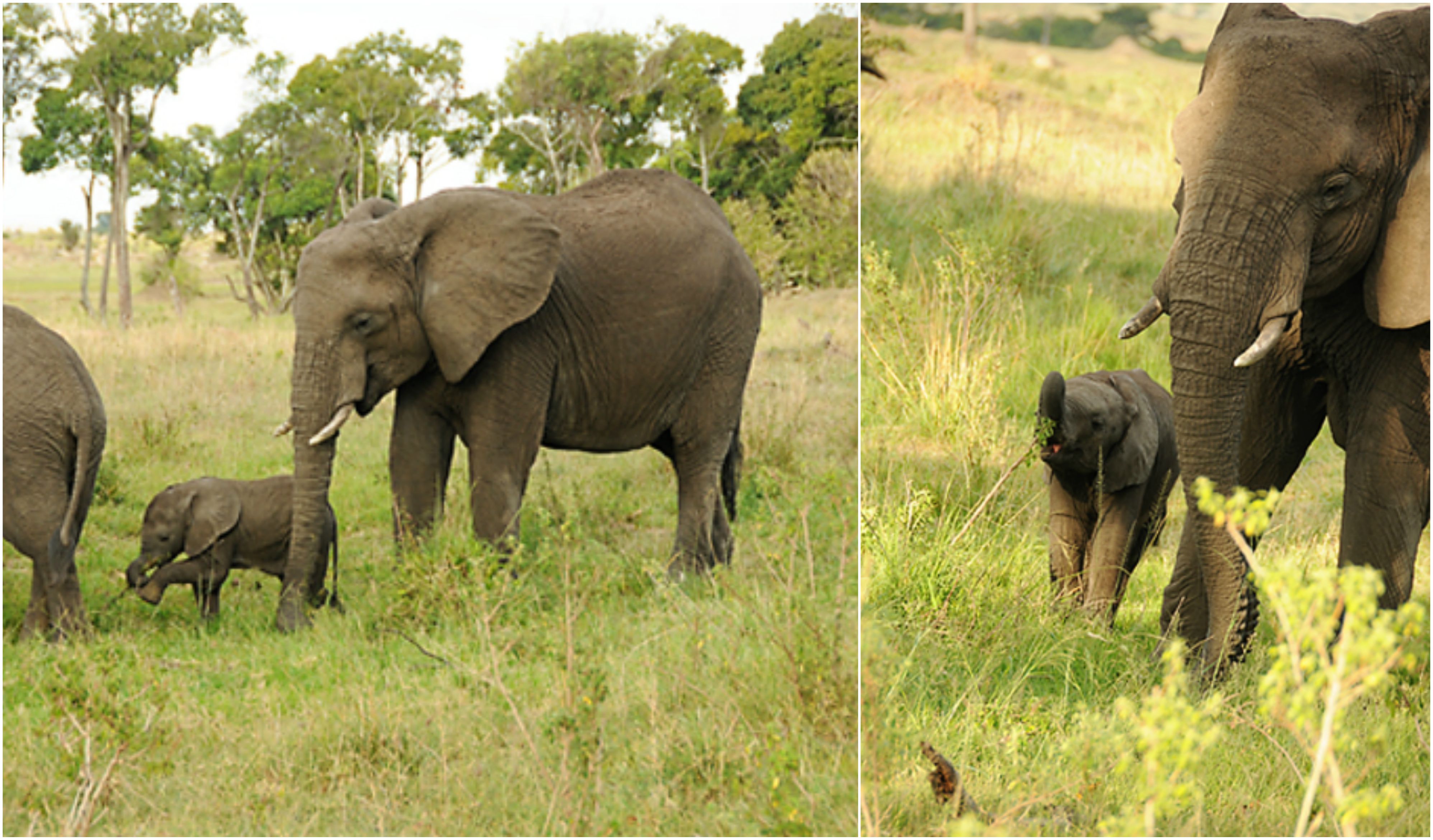
We lucked out on this drive and had Penda, who is in training, with us. Shortly after we started our drive, we came upon this herd of eles with two tiny babies.
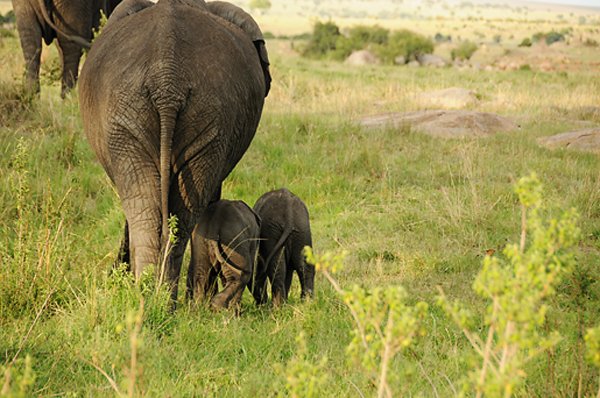
They were the smallest baby elephants I have seen.
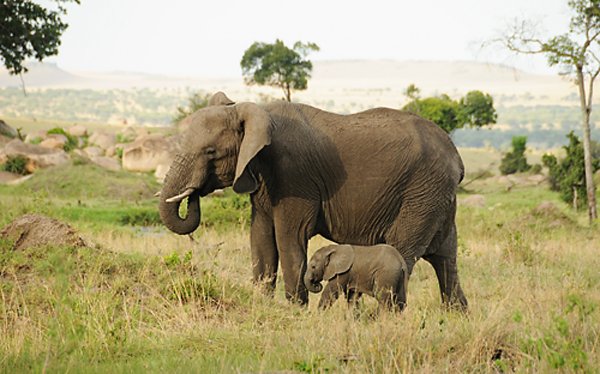
And still trying to figure out those body parts.
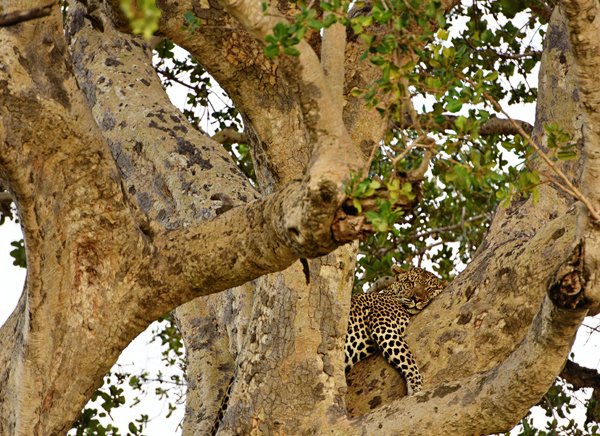
And just in case that sighting wasn’t fantastic enough, we received word that there was a leopard in a tree with a kill. This wasn’t the mama leopard we saw earlier, this one was a male. If we looked closely enough, on one of the other branches, we could see the warthog that became that leopard’s meal. The satiated leopard was comfortable and relaxed, and seemingly unaware of the looky-loos below him. Most likely exhausted from the hunt and then dragging his kill up into the tree.
While watching him sleep, we could see that we were in for one of those epic Serengeti sunsets, so we decided to seek out the perfect sundowner spot.
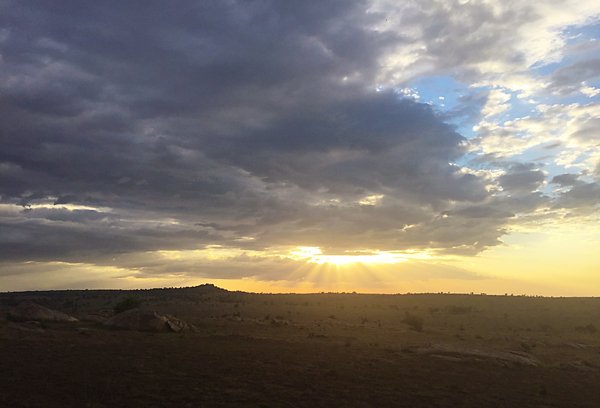
We found a spot that was a bit elevated and Penda and Laz set up a little bar on one of the rocks and made a G&T for Eddie and poured a chilled white wine for me. And then we enjoyed the most spectacular sunset I have ever witnessed in the most perfect spot. There is nothing like a sundowner in the bush. Nothing.
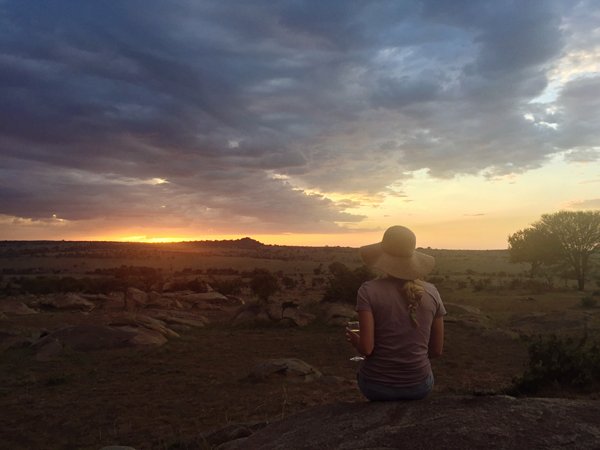
I could have spent at least another hour there, just watching the sunset unfold, but park rules require that all vehicles be back at camp by 7pm. Laz pushed it as long as he could, and then we raced back.
I climbed into our magnificent bed that night wondering how on earth any drive could be better than today’s.
We agreed with Laz that we would get an earlier start the next morning, so that we could travel a little farther out to where the Serengeti meets Kenya’s Masai Mara.
Day 3: The Best. Day. Ever.
We hopped in the vehicle, right as the sun was rising, and we were ready to hit the road. But, here’s the problem: it was a spectacular sunrise (again), so I had to stop for a few quick shots.
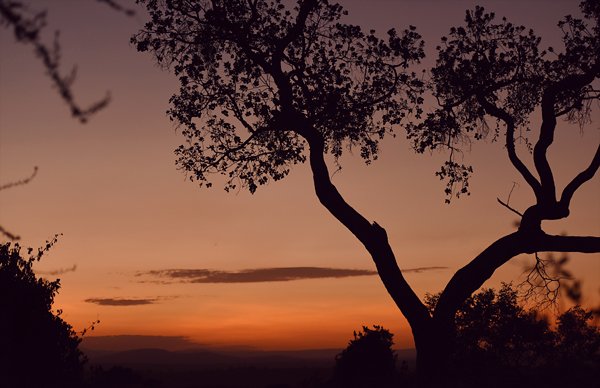
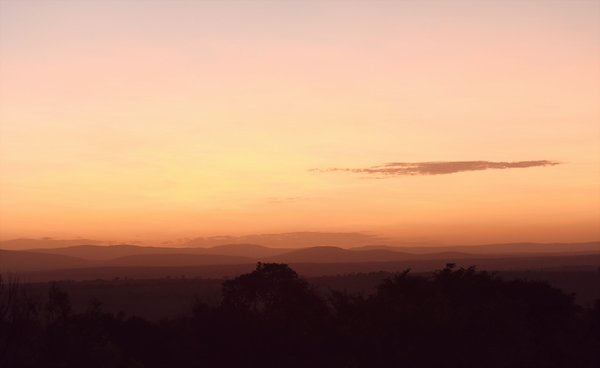
Okay, that was taken care of and we were on our way; zooming down the road for a longish drive to the edge of the park. We were ready. BUT, as soon as we made it down Lamai’s prized kopje, Laz slowed the car and said “look there.” As usual, I spotted nothing. We drove closer and he asked if I could see now. I saw rocks and mounds. We pulled closer. And there they were, right in the open savanna: Two magnificent male lions, and a lioness, with a pile of cubs in the center of them.
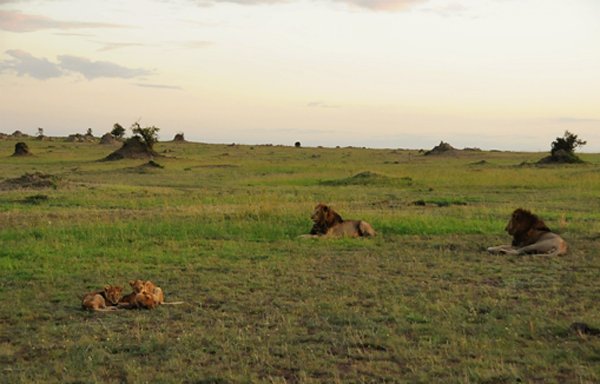
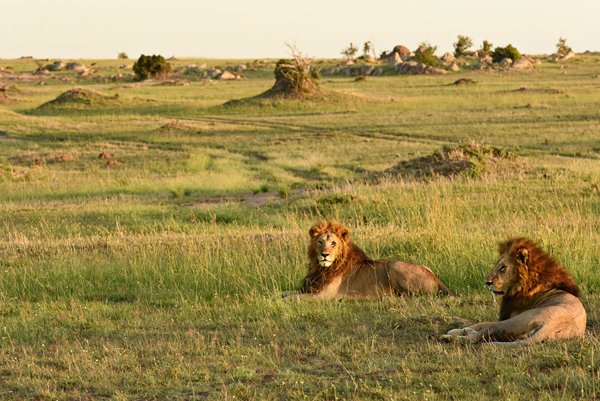
The cubs were curled into one another such that you could hardly tell there were three of them.
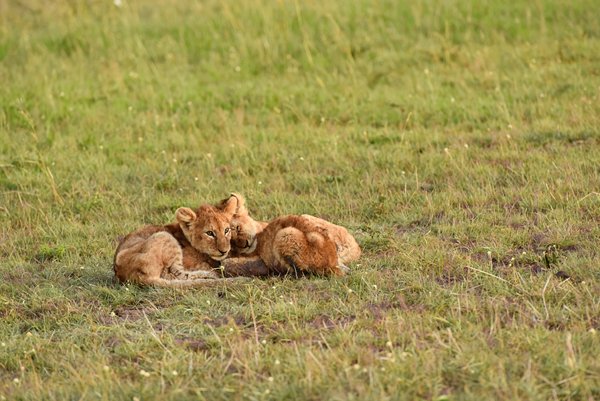
They looked cold and the mud on their little legs makes me think they spent the night in a protected river bed.
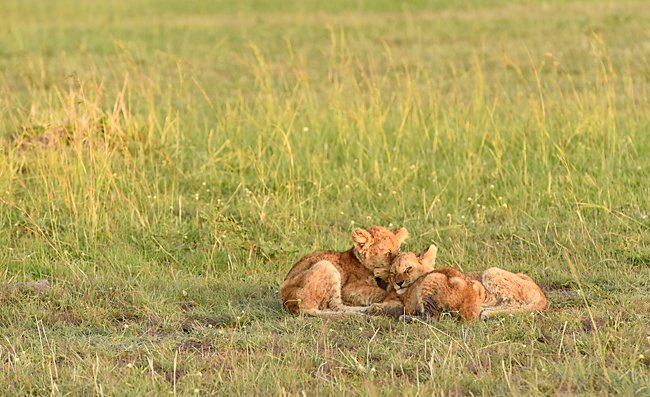
Laz said he knew them and that one wasn’t as healthy as the other two. As we watched them warm themselves in the sunlight, the lioness began to roar; to call.
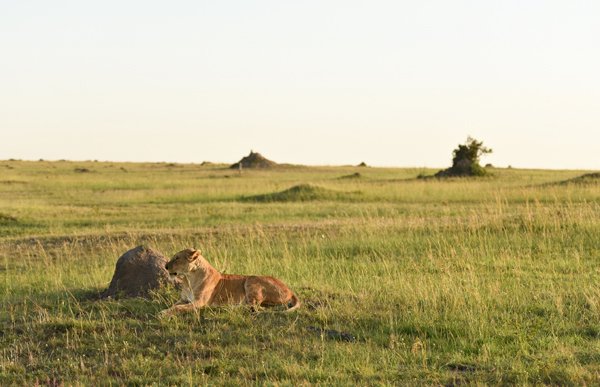
We sat and watched and listened for a while. It was quite a way to start the morning.
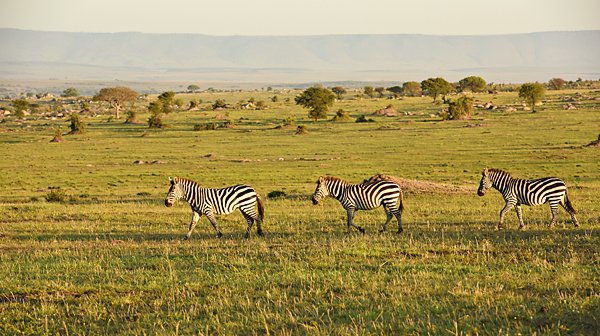
Zebra are plentiful in the Serengeti and the majority of the time, they just stare at you for a second before running off. As we drove we stopped to check out a very young foal. This baby obviously hadn’t learned the skittish zebra ways and walked right up to the car. Something I have never seen before. You can see a very stressed mama in the background.
We crossed the Mara to the other side and drove along a river bed where we came across a large pride of lion. There were a few females with a lot of cubs that varied in age.
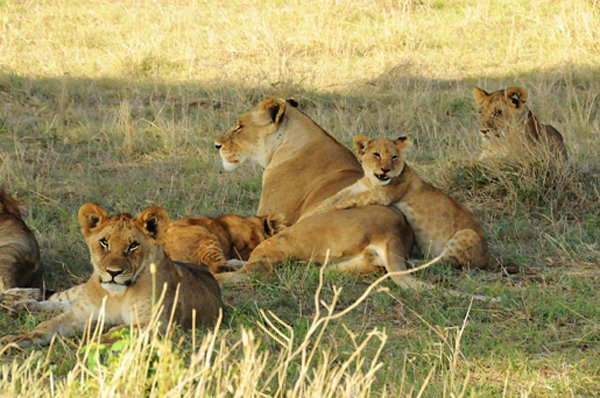
They were all around us, so we turned off the vehicle and just sat with them. Cubs are so much fun to watch. They are rambunctious and mischievous.
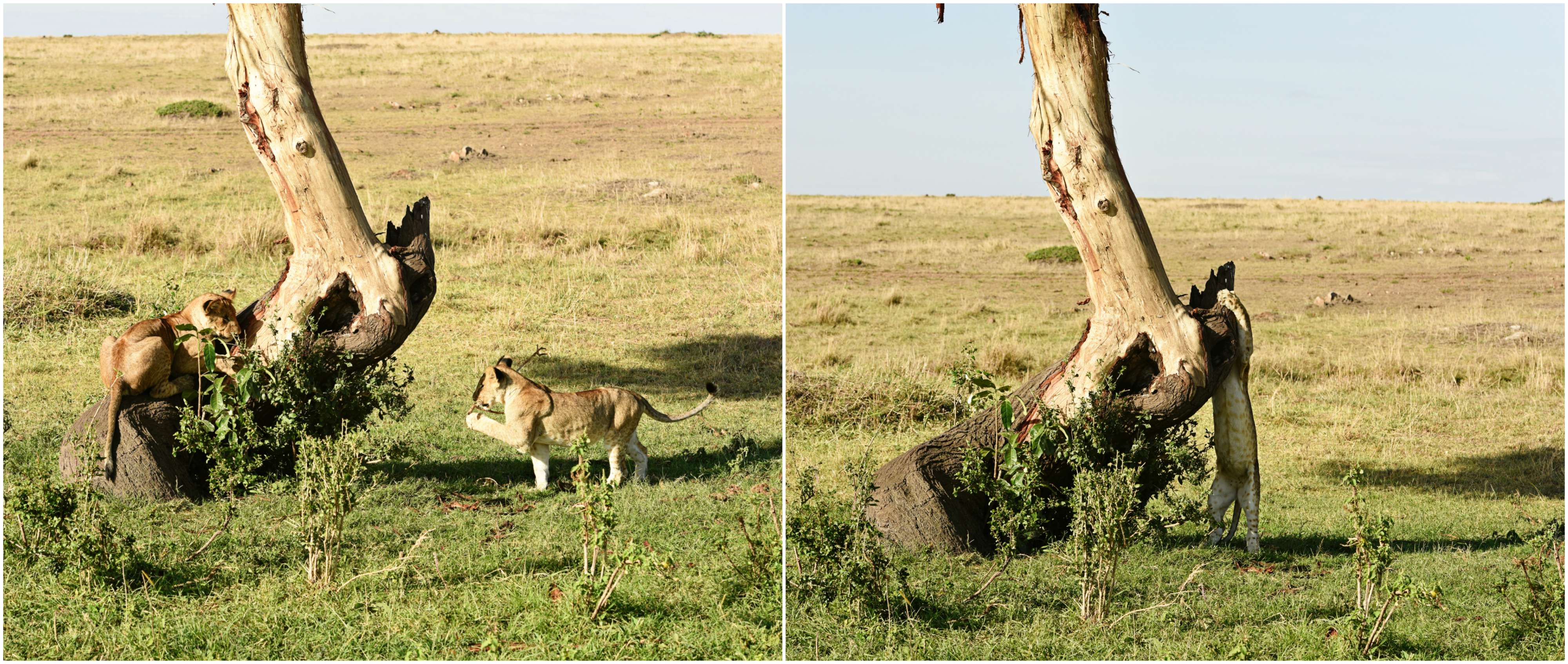
As cute as their wrestling and sneak attacks on each other are, they are practicing survival skills.
There is one element that can make or break your time in the bush: your guide. Your guide should be knowledgeable, considerate, energetic, and motivated, and do more than just drive you to the animals. They should understand animal behaviors, how to respect them while in their territory and how to make sure you’re positioned to get that shot for which you traveled thousands of miles. In the hierarchy of staff positions at a lodge, being a guide is one of the most valued. They go through an intensive initial training and maintain their knowledge through continued training and learning.
One of the ways that guides locate predators is by watching the behavior of the possible prey in the area. Which way are they looking? Are they communicating with each other? Are they comfortable or anxious?
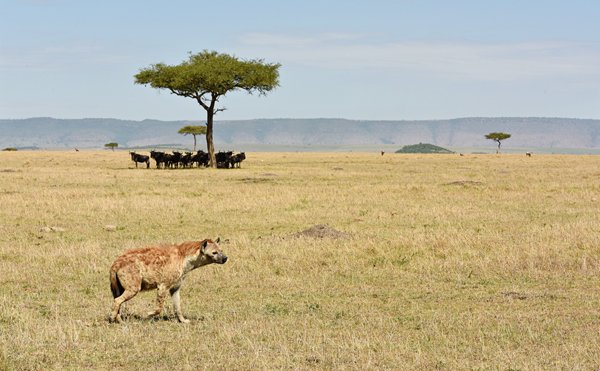
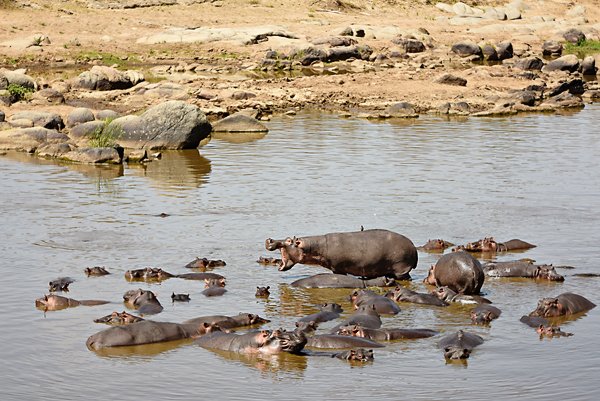
We began to make our way back to the lodge and as we got closer to the river crossing, Laz stopped the car and told us to get our cameras ready. This particular corner was a popular (out of water) sunbathing spot for hippos, but they would quickly move into the water once we came around. He was right.
We pulled a little closer and watched them waddle, tumble, roll, and step on each other until they found a position in the water they liked.
On our way back to the lodge, we stopped by the Leopard House to check on the leopard cubs who had been in hiding. We looked around the kopje and drove up and down the river bed with no luck of a sighting. A manager from a nearby camp was doing the same thing. He reported that there was a sighting yesterday, but only of one of the cubs. That’s how this area works. Although there is minimal intervention, those who occupy the land, know and are concerned for their wild neighbors.
As we continued our drive back to the lodge, we spotted mama leopard.
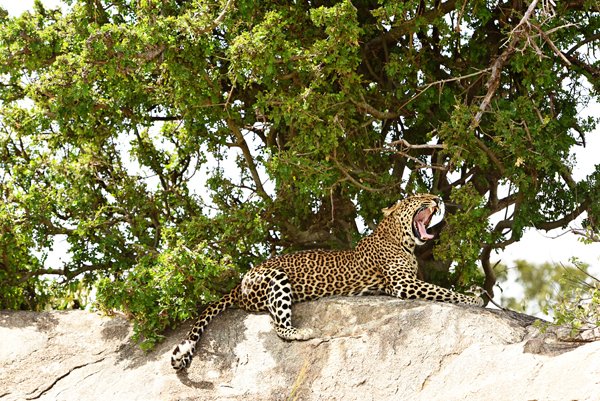
We weren’t with her long before she got up and began hunting.
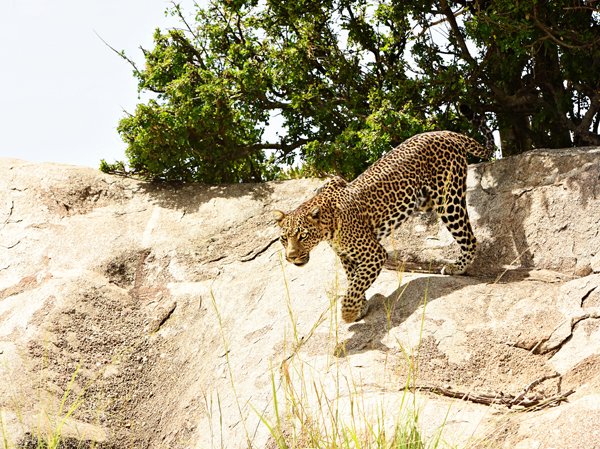
Lazaro asked if we were able to wait a bit for lunch, so we could see how her hunt played out. There is no way we could say no to that! So we watched her. We watched her scan her environment. And we watched her get up and move down the kopje. We watched how her beautiful coat shimmered in the sunlight. And we watched the sleekness in her movements.
And we followed her. She moved through the grass and from kopje to kopje and to any shady reprieve she could get from the hot sun.
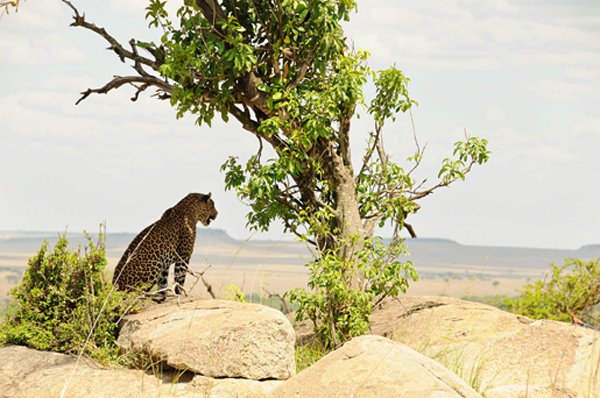
She seemed to blend into each new environment into which she stepped foot, almost as if she were shapeshifting.
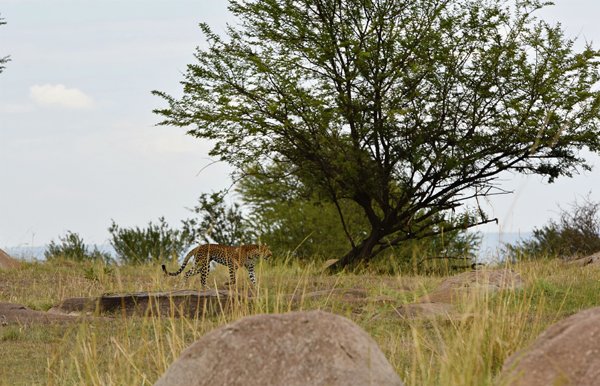
We followed her fruitless stalking for a while, knowing that she really needed to eat and hoping that she did. Every time I leave for the bush, I hope I won’t witness a kill. Every time I am in the bush, and I see a hungry animal hunt unsuccessfully for days, that all changes.
This evening was our final evening drive. We drove back to the Leopard House kopje to do our routine check on the cubs. Laz turned to us and said “let’s agree that you will not leave here until you see the leopard cubs.” Of course we agreed. I didn’t want to leave at all. I felt like suggesting to Laz we don’t leave until we see a polar bear, but with his skills, he’d probably come up with one!
Not 10 minutes later: “There!” Laz said looking up at the giant kopje.
Us: Where???
Laz: (handing us the binoculars and pointing at the massive kopje) “There!”
We still couldn’t see. Laz pulled closer and there they were. These two tiny bodies that blended perfectly with the rock. As we pulled around to the other side to get a better look, these two tiny heads peered over the edge at us.
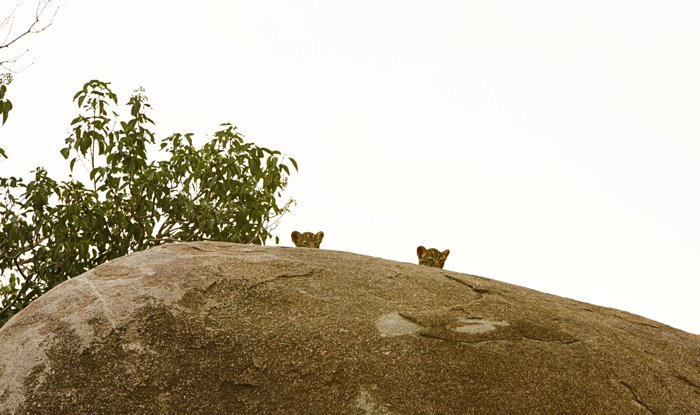
They continued playing while keeping a watchful eye out for mom.
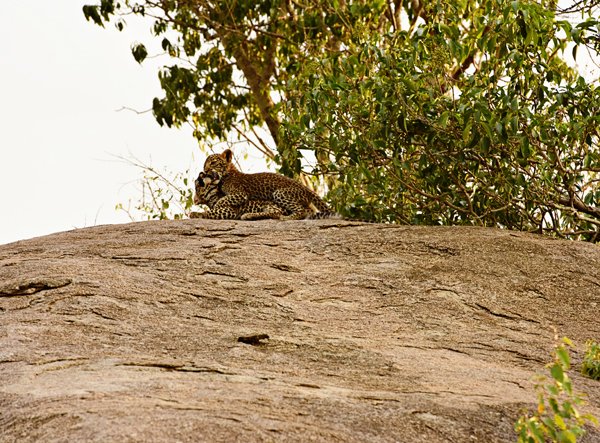
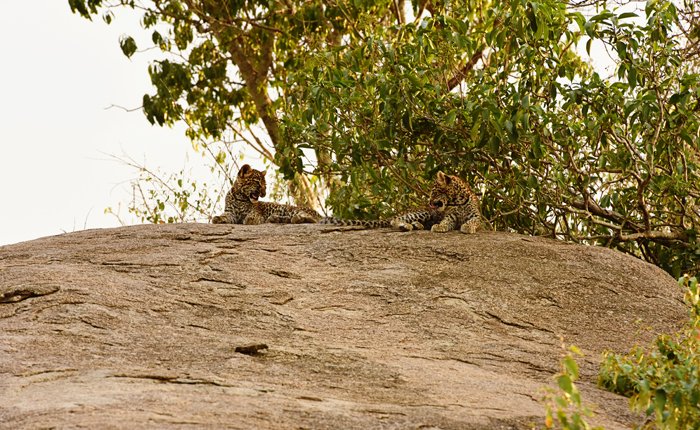
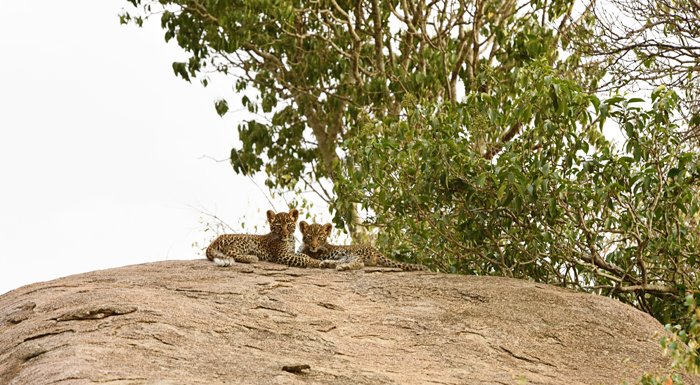
We sat below them until they ventured into the brush.
As the sun dropped lower, we decided to find a spot for sundowners. On our search, we found those two majestic male lions from our morning drive. The golden light hitting their red mane was so stunning, we had to stop and admire them.
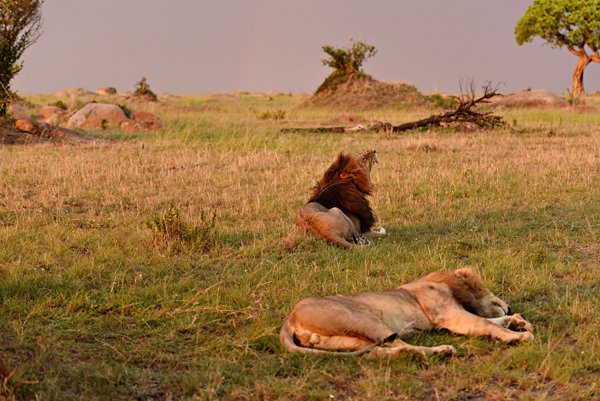
Behind them, a storm was hitting the mountains of the Masai Mara and then a rainbow dropped behind the males. Sometimes, I swear there is a big production crew in the background: “Cue the lions! Cue the golden light! Cue the rainbow!”
As we focused our attention on them, the lioness came from behind us, greeted them and then turned to make sure the cubs were behind her. Two of them were and they picked up their pace and ran straight to the males, one of which gave a strong “no play” warning.
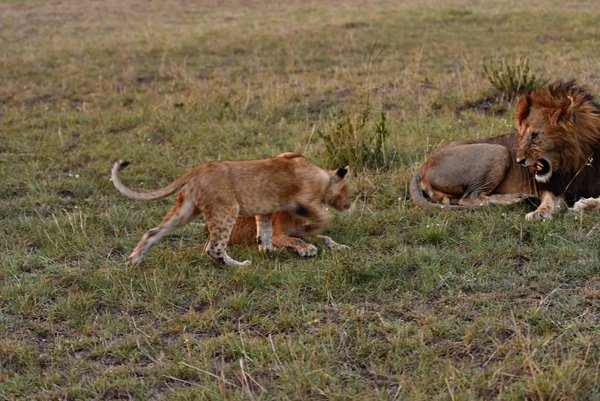
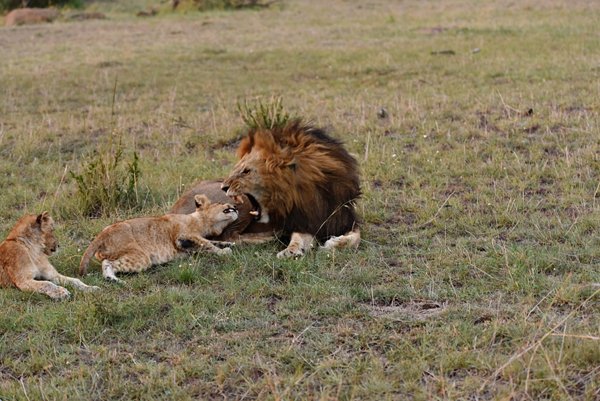
Laz made the excellent suggestion that we have our sundowners in the car while watching them. It was one my top safari experiences. In fact, the entire day was the best safari day I have ever had.
Day 4: Ugly Cry
The next morning, we had breakfast in the lodge. It was our last morning. We loaded our bags in the vehicle where we found picnic lunches, prepared by Lamai’s chef, for our long journey out of the bush and to the airstrip. We had a couple of hours for a game drive before heading to the airstrip. Initially, we didn’t see much, but it was still nice to do a farewell drive through the bush.
As we got closer to the airstrip, we found the male leopard from a couple of days before. Again, how Laz spotted him, is beyond me.
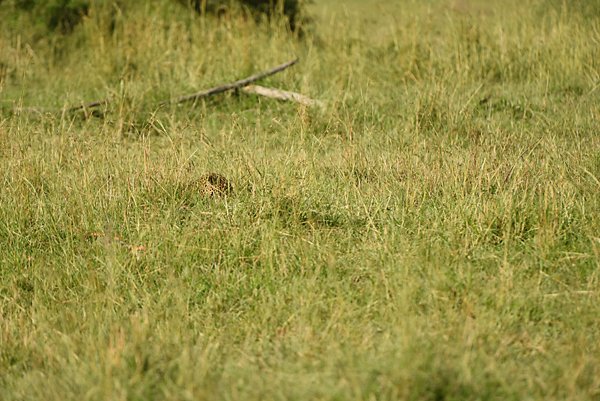
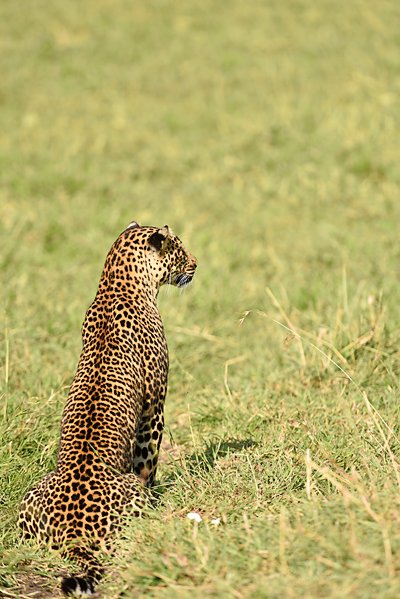
We watched him move and pause through the grass and became completely enthralled when Laz got the call over the radio and then turned to tell us: “your plane is here”. And my heart sank. I knew it was coming, but that didn’t make it any better. We made it to the airstrip and Helen and Clyde, the camp managers, were there waiting for their plane. We got to say bye to them one more time before boarding our plane.
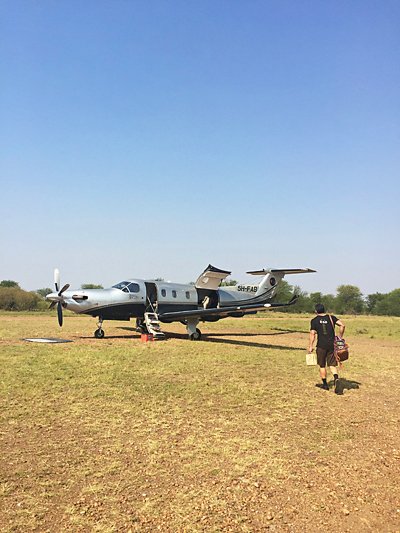
Our plane moved to the end of the strip and as it did, I caught a glimpse of Laz waving goodbye and I lost it. Full on ugly cry.
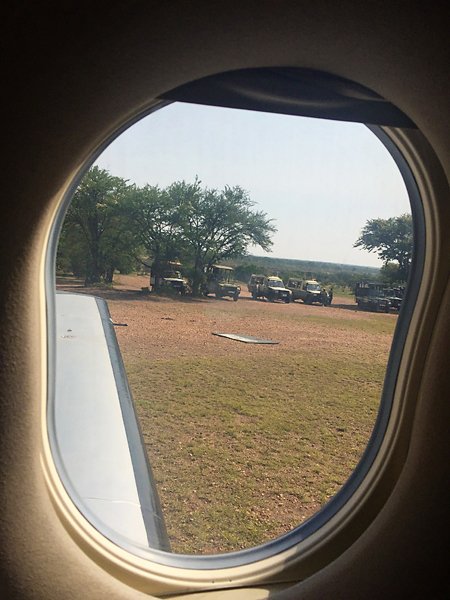
As it broke my heart to leave, one thing I have accepted is that this is a place to which I will always return. It’s too special not to.
Thank you to Lazaro and Lamai Serengeti for an unforgettably perfect three days in the Northern Serengeti.
Until next time…
Breathe one last time
Your wild breath into me
That I may not forget you,
That I may remember who I am…
– Barbara Fairhead
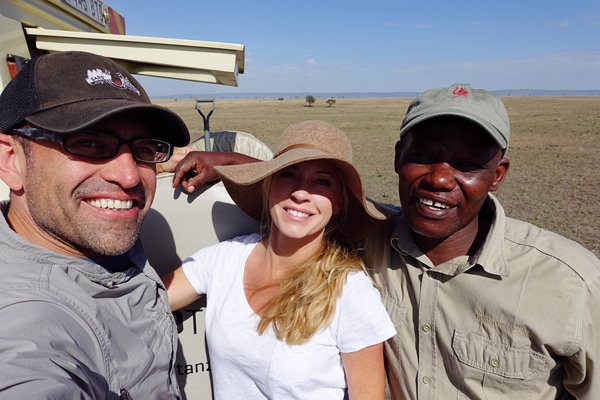

- Nomad Tanzania’s website is a great source of information on how you can pair Lamai with some of their other camps and ideal times to visit each one
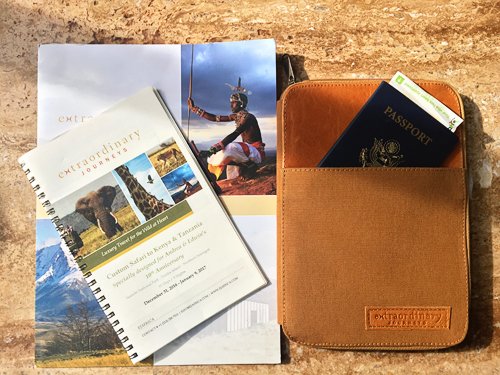
- Are you ready to book this once in a lifetime adventure? Contact the experts and Extraordinary Journeys and allow them to arrange all of the details and answer all of your questions
- We were very lucky to have Laz and our vehicle to ourselves. It’s also fun to share a vehicle, but you can arrange for private drives
- You can read more about what to expect on safari here
- You can read more about planning a safari here
My original intention was to write one post about Lamai and our safari with them, but I quickly realized that Lamai the lodge and Lamai’s safari experience are each standouts in their own right and each deserve their own spotlight. So, this is the first of a two-part article.
Nomad Tanzania
To know Lamai, you need to know a bit about Nomad. Lamai is one of ten camps owned and operated by Nomad Tanzania. Nomad has been operating in the remote areas of Tanzania for twenty years. So, not only are they considered pioneers of those areas, they are well respected for their knowledge and service. Many of Nomad’s employees have been with them for over fifteen years. As a former Human Resources professional, I know that the treatment of your employees trickles down to how your employees treat your guests. So, when our guide Lazaro told us he had been with Nomad for twenty years, I knew this group had to be doing something right.
Lamai’s Prized Position
It is a privilege to build a permanent camp in the Serengeti. Nomad was offered a plot of land (that would have been much easier to build on) not too far from where Lamai is located, but they really pushed for the Kogakuria Kopje. Simply put, a kopje is a “hill”, but in the Serengeti these are comprised of granite outcrops that are the result of volcanic activity. To want to build a lodge on this kopje was ambitious to say the least. But doing so granted Lamai a unique position perched above the rolling plains of the northern Serengeti.
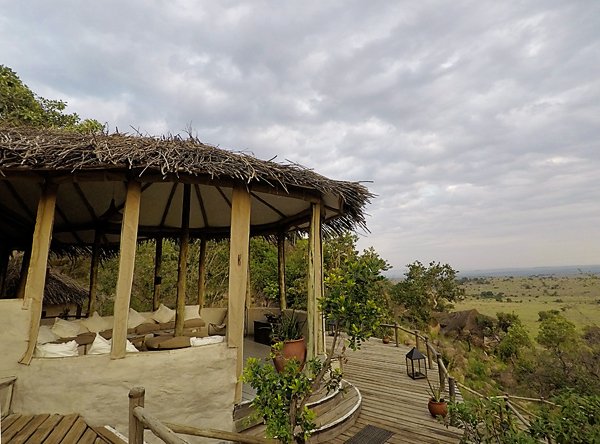
Dubbing themselves the “keepers of the Kogakuria Kopje,” they take this prized position seriously. Keep that rocky kopje in mind as you look through the photos in this post.
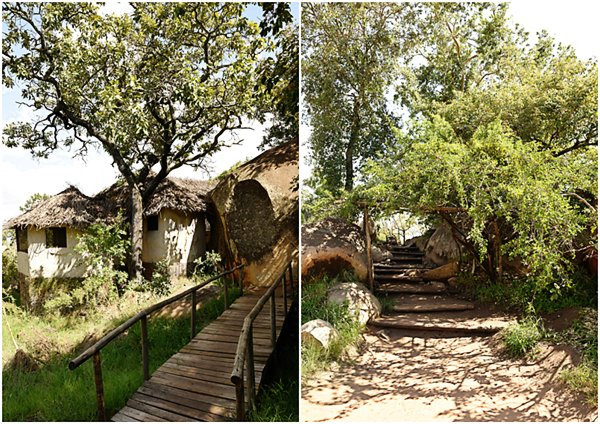
Pure Serengeti
From afar, you hardly notice the small camp scattered throughout the kopje. It intentionally blends with the landscape.
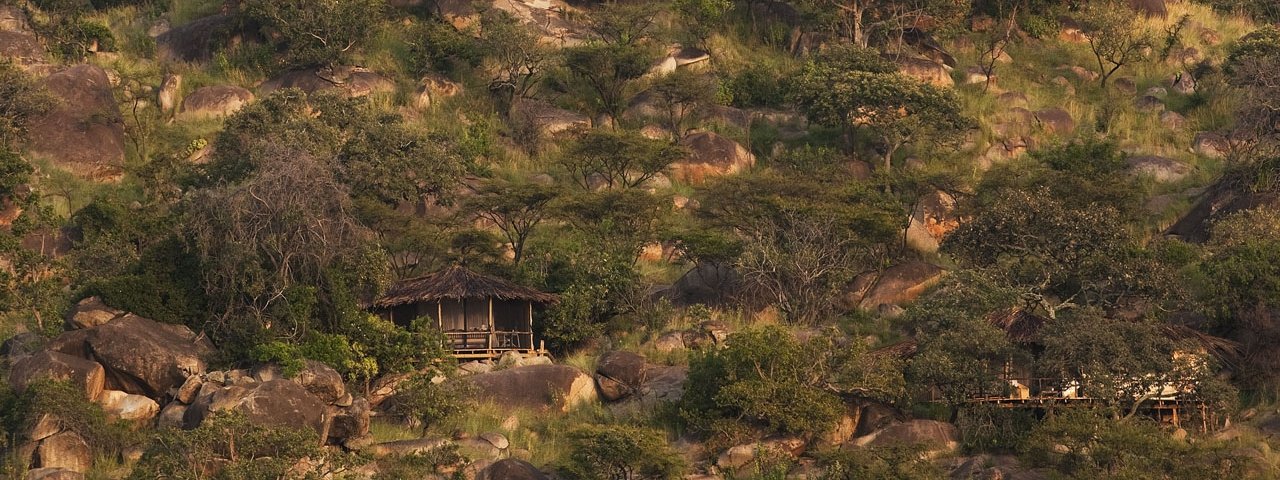 Image courtesy of Nomad Tanzania
Serengeti is a Maasai word meaning endless plains and the design of this camp is meant for you to take in the vast, stunning landscape from wherever you are on the property. Whether it be the main lounge area, the pool area, the dining area or your room, you have unobstructed, panoramic views of the plains.
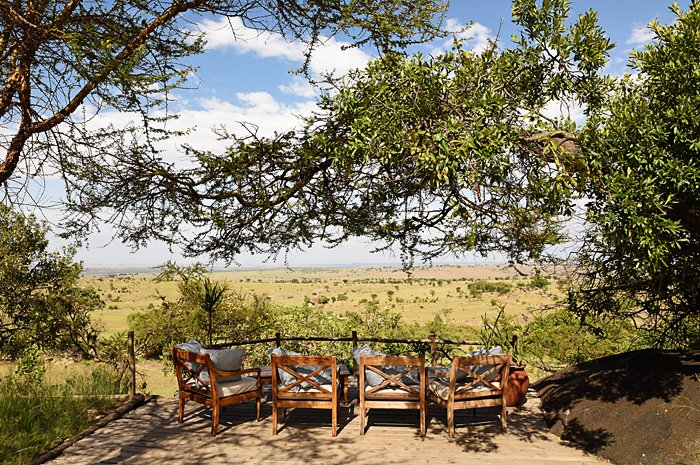
There is a purity to Lamai that creates an environment that allows you to comfortably exist in the beautifully raw surroundings. A place to truly experience the sounds, air, light, darkness and the smell, oh my goodness that beautiful scent, of the Serengeti.
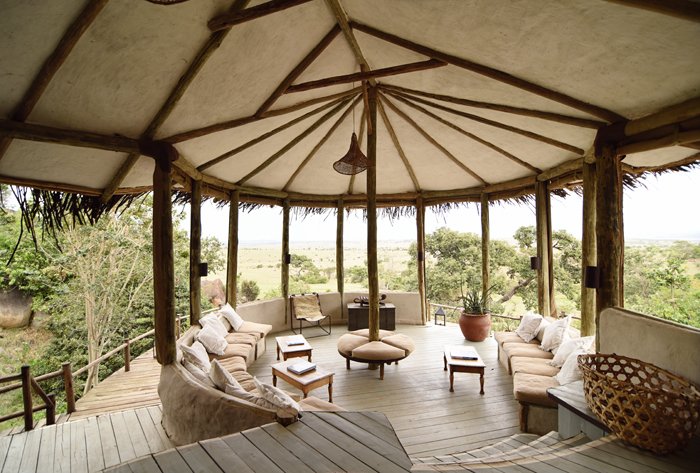
The Lodge
There are three different areas of Lamai: the main lodge has eight rooms with a couple of them set up for families , the private lodge has four rooms and is intended for larger groups, and Mkombe’s House, which is intended for families or small groups.
Lamai describes the aesthetic of the lodge as “bush chic”. I don’t think you could come up with a more spot on description! Once you are in the rooms, there is also a touch of French bohemian. There is an overall simplicity to it, so as not to distract from the star (Serengeti), with cozy textures, pops of color and even a little shimmer. There are plenty of inviting “nooks” to lounge in scattered throughout the lodge.
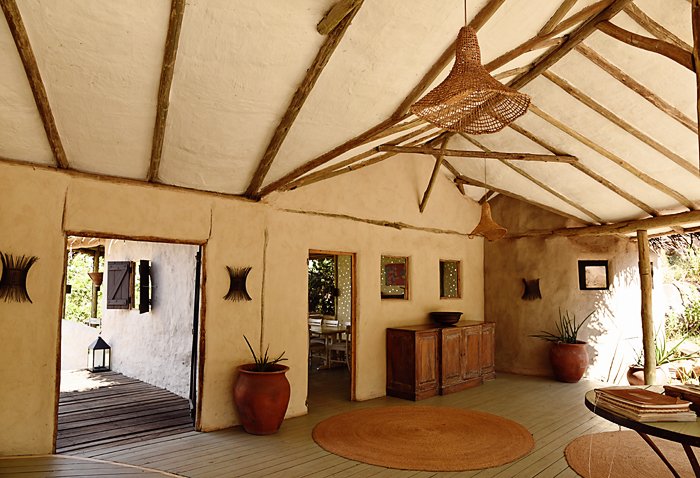
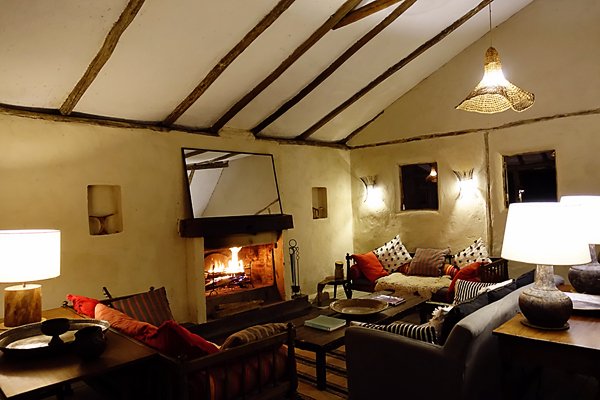
The nights are cool, but the days are hot. The pool (also with a view!) is a perfect place to cool off.
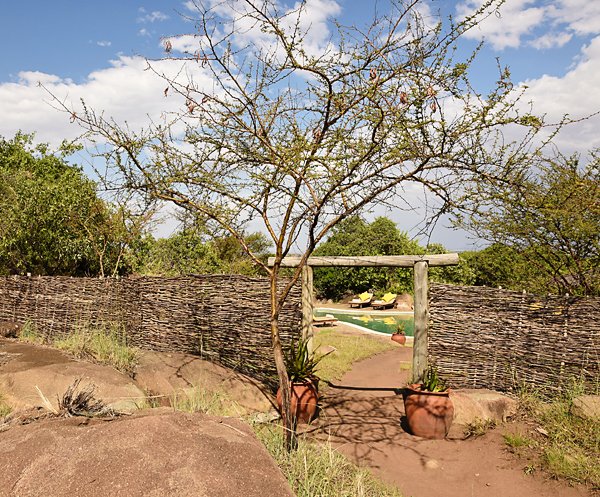
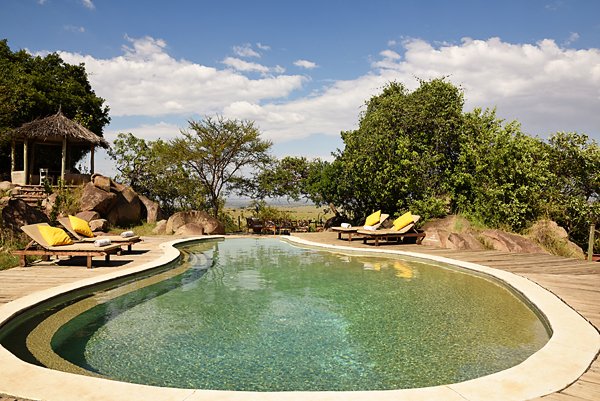
Rooms
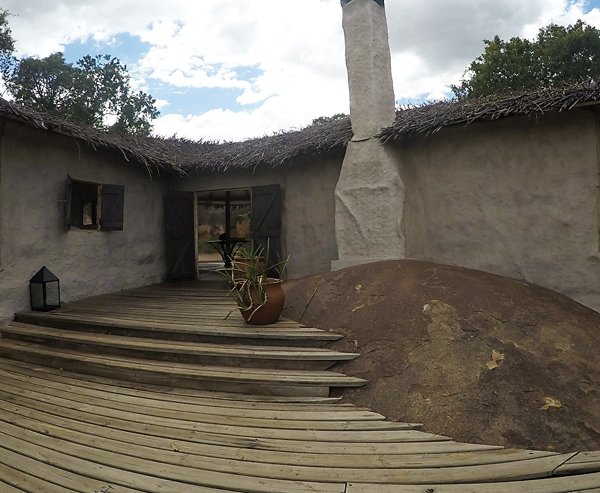
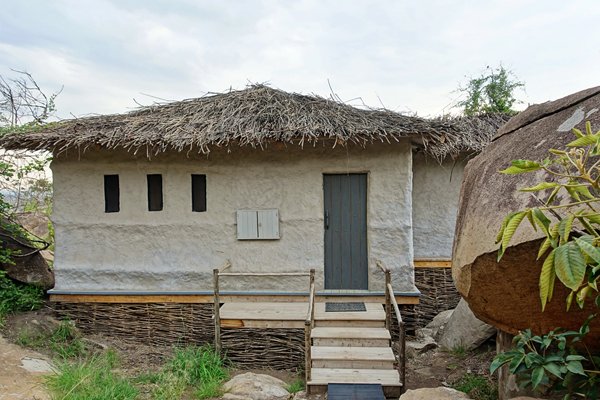
Our room was in the main lodge. The rooms are more like villas: each a stand-alone building and very private. They are unassuming from the outside and totally bush chic, French bohemian on the inside.
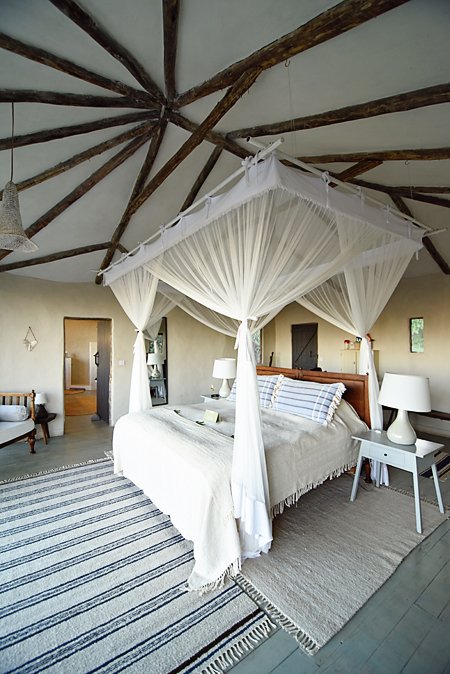
The interiors are primarily white with gentle pops of color.
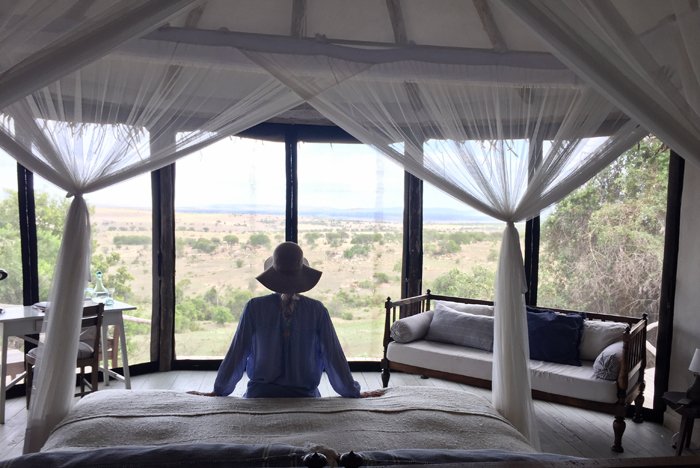
The best part is that the side that faces the plains is completely open (with a screen to keep the bugs out). The openness allows for the rooms to be filled with tons of beautiful, natural light, and those sounds and that scent.
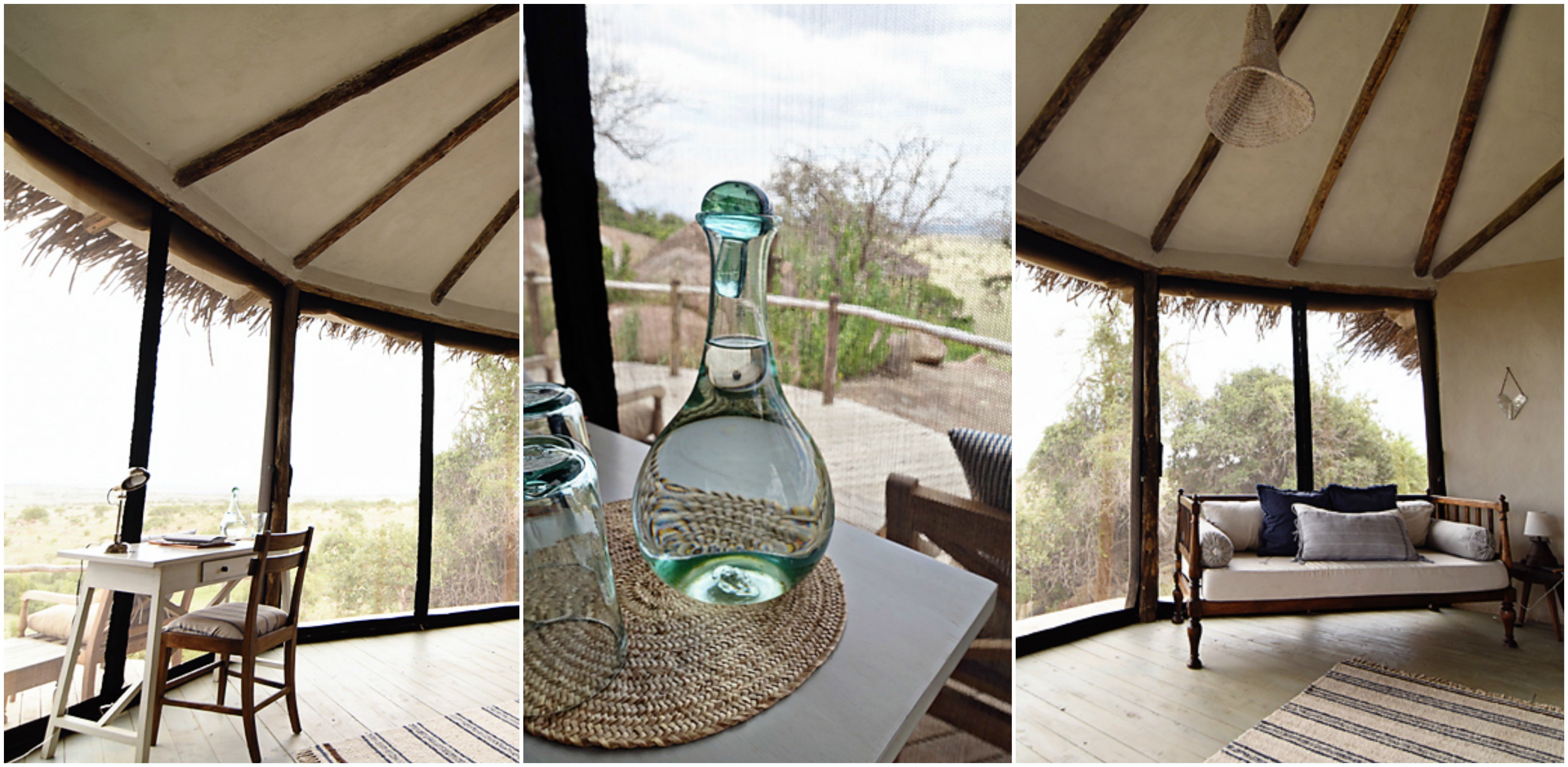
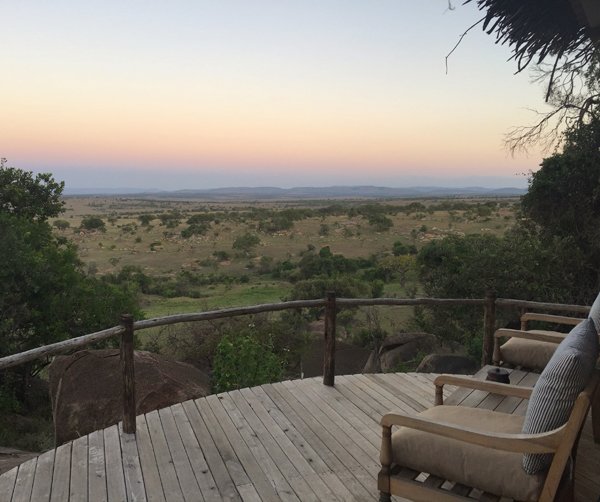
Facing outward are a writing desk and a daybed. On the outside, there is a large deck with two big chairs.
The large, open room is centered by a huge, plush white bed. The bed is swathed in romantic netting that is pulled down in the evenings.
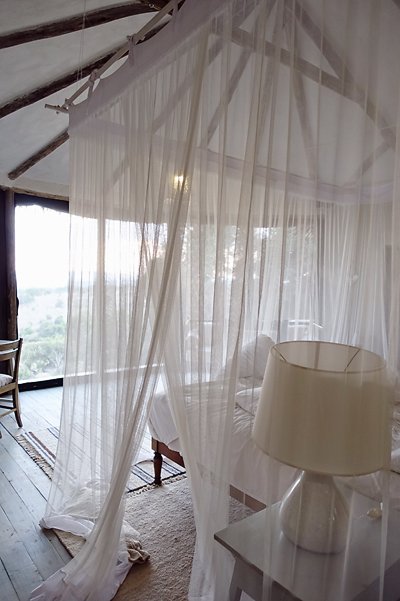
As pretty as it is, it also serves to keep mosquitos out, though we did not have any mosquitos in our room. On chilly nights, you’ll find a warm water bottle under the covers that keeps the bed warm until you climb in.
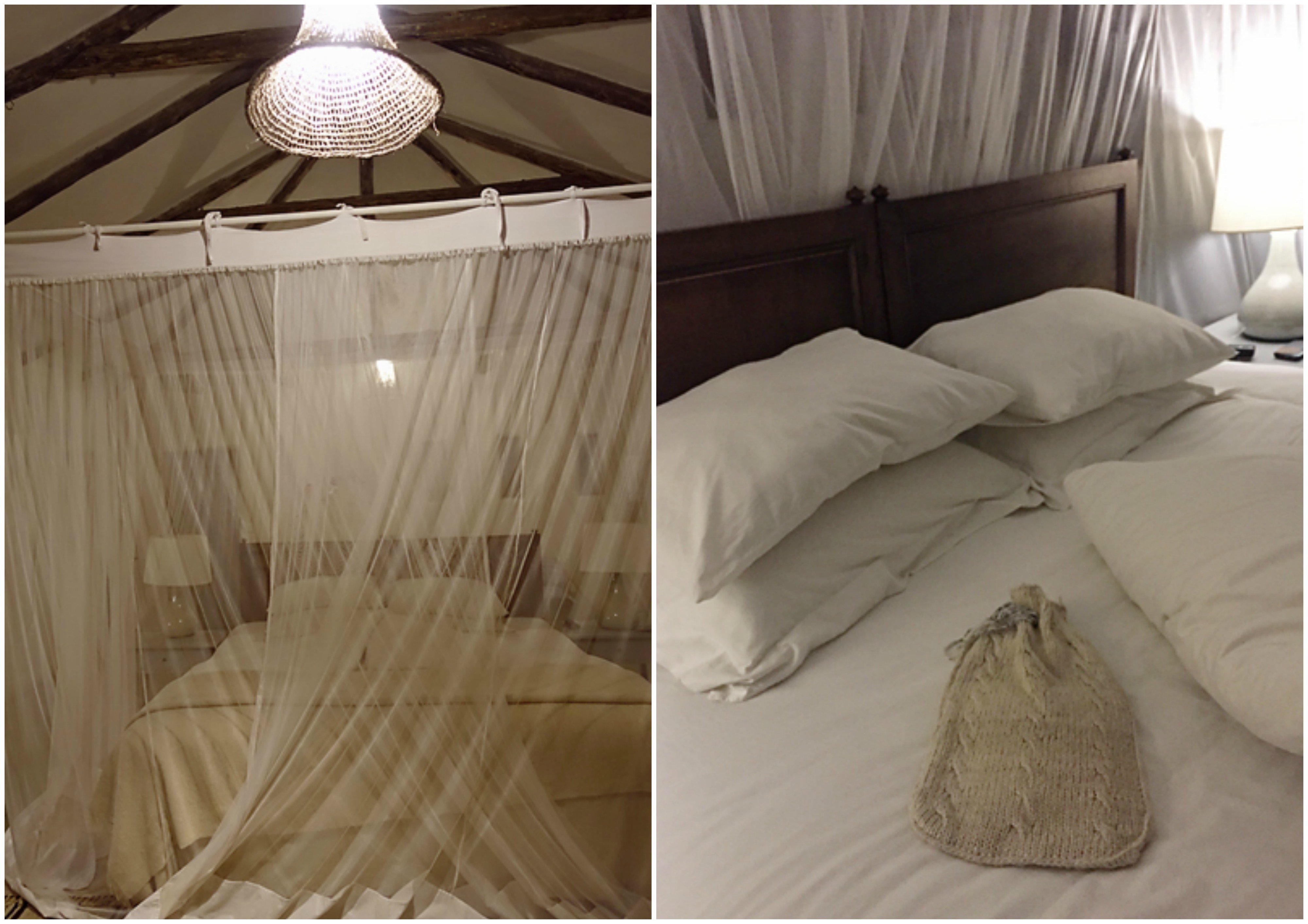
There is absolutely nothing like climbing into that bed at night, warming up from the slight chill in the air, breathing in that fresh air and listening to the sound of the animals in the distance. To me, it is the epitome of “bliss”.
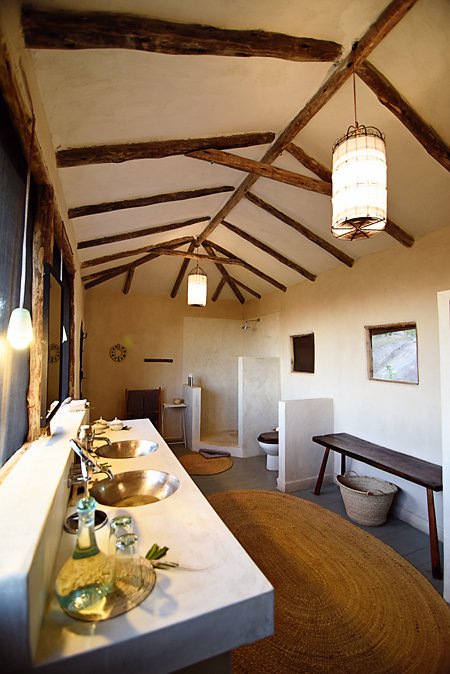
The bathroom is spacious and has ample storage for your belongings. The screen exterior wall continues into the bathroom, so that you have that spectacular view no matter where you are. There is a walk-in shower and access to a second deck with seating. The bathroom amenities include lovely handmade soaps and lotions.
Safaris come with early morning wake up calls and Lamai does those calls right. Someone gives a gentle knock and a “good morning” and then slides a tray of coffee (or tea) and biscuits through an opening in the wall created for just that purpose.
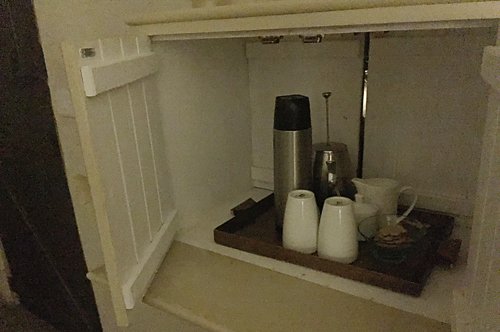
And the best part about that room: it’s the best seat in the house to see the sun rise over the Serengeti.
Dining
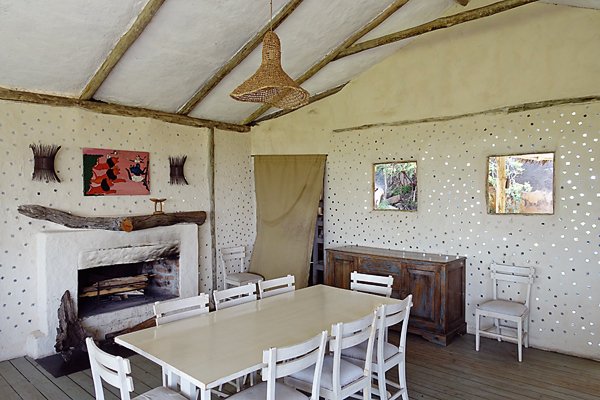
Lamai’s food is fantastic! And, it’s all organic. Not because they want to be trendy, but because the bush was doing organic far before the hipsters came along. Organic is the only option.
You have a couple of choices for breakfast. You can enjoy it at the lodge, which means either you leave for your morning game drive a bit later or you return from your morning game drive early.
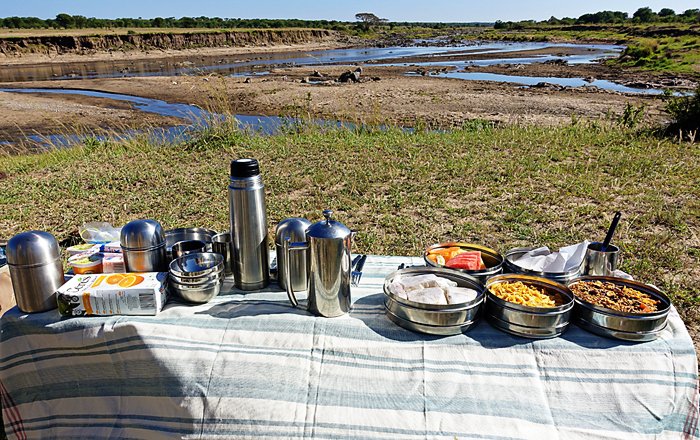
Or, you could have a bush breakfast. Either way, you will have delicious food, but having breakfast in the bush is an experience you won’t have anywhere else. At Lamai, your guide will pull over somewhere spectacular (think Mara river overlooking hippos) and set up a table, chairs and a full breakfast spread complete with juice, coffee and/or tea. My favorites were the breakfast sandwiches and homemade granola. Coffee is one of Tanzania’s biggest exports, so if you are a coffee drinker, you are in for a treat.
Unless you decide to stay out in the bush all day (a lunch would be packed for you), you return to the lodge for lunch, which is set up buffet style, super fresh and served with chilled wine and local Tanzanian beer or any other beverage you could want.
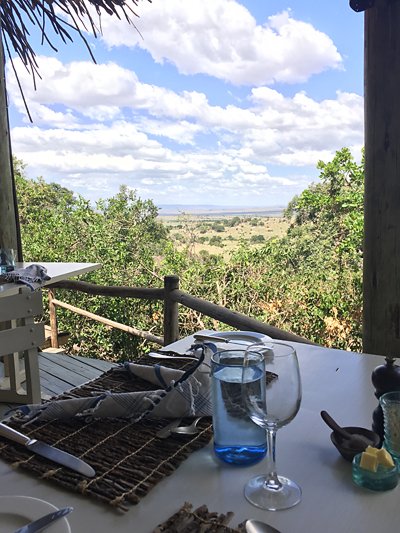
After lunch and before the evening game drive, you have a few hours to swim, relax, nap, read a book, shop in the boutique; whatever you want.
Afternoon tea is served just before your evening game drive, which is also when your guide will come chat with you about a plan for the drive coming up and for your morning drive.
Dinner is served on one of the main decks. You can select to have a private dinner or enjoy it in a communal setting. Not only are you joined by Helen and Clyde, the camp managers, you are joined by the other guests at the lodge. I always find this an enjoyable experience as you get to chat with people from all over the world and you know you have at least one thing to talk about: “What did you see today?” As with all of the other meals, dinner was delicious. Several courses were served and it always ended with a tasty desert.
African Hospitality
As I mentioned in the OneFortyEight Nairobi post, there’s something unequivocally special about African hospitality. When you experience it, it’s more than good service, it’s a feeling of being taken care of.
Helen and Clyde are so pleasant and seem to be around when you need them, but are never too invasive. They are great camp managers and it was obvious the staff thought so! Clyde always saw us off in the morning and Helen was always there to greet us when we came in from each drive. When we arrived on our first day, Helen gave us a tour of the property and our room, explained how everything worked, and gave us some history on the lodge. I can be sarcastic at and particularly enjoyed how Helen would banter with me a bit.
The beautiful thing about the lodge is that it is in the middle of the Serengeti; you are in the wild. Any time it is dark (or close to dark) outside, you are escorted by an Askari, who acts as your security. The Askari are from local villages and know the area (and the animals) better than anyone else. They walk you to your room when you come in from your evening game drive, walk you to dinner from your room and walk you back to your room after dinner. We were always escorted by Mr. P, who was so sweet and charming. I read somewhere that he has a scar from a lion scratch on his face. I have no idea if this is true and may be adding to the legend being created. What I do know is he is delightful and we felt very safe in his care.
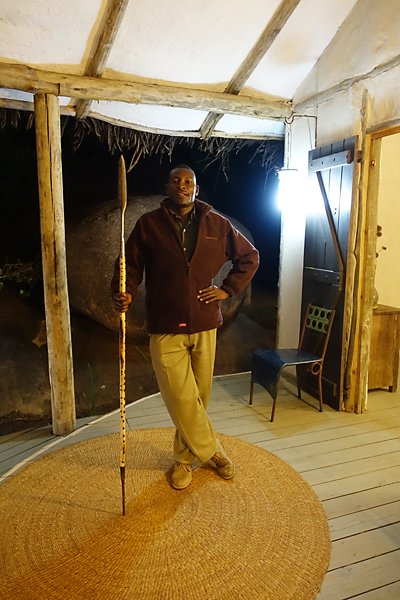
The restaurant staff and every person we came across was welcoming and friendly and genuinely wanted to know about us.
And then there is Lazaro, who was one of the best guides we have ever had. Your safari guide can make or break your entire safari experience and our time with Lazaro was flawless. This plus our amazing experience while at the lodge is why I am turning this into two posts. Stay tuned for post two!
This was not our first visit to the northern Serengeti and it won’t be the last; it is a special place. As much as we enjoyed our first visit to this area, Lamai takes it to the next level, with spectacular views, beautiful accommodations, great food and unparalleled African hospitality.
Check out Lamai’s website for more information!
Getting there
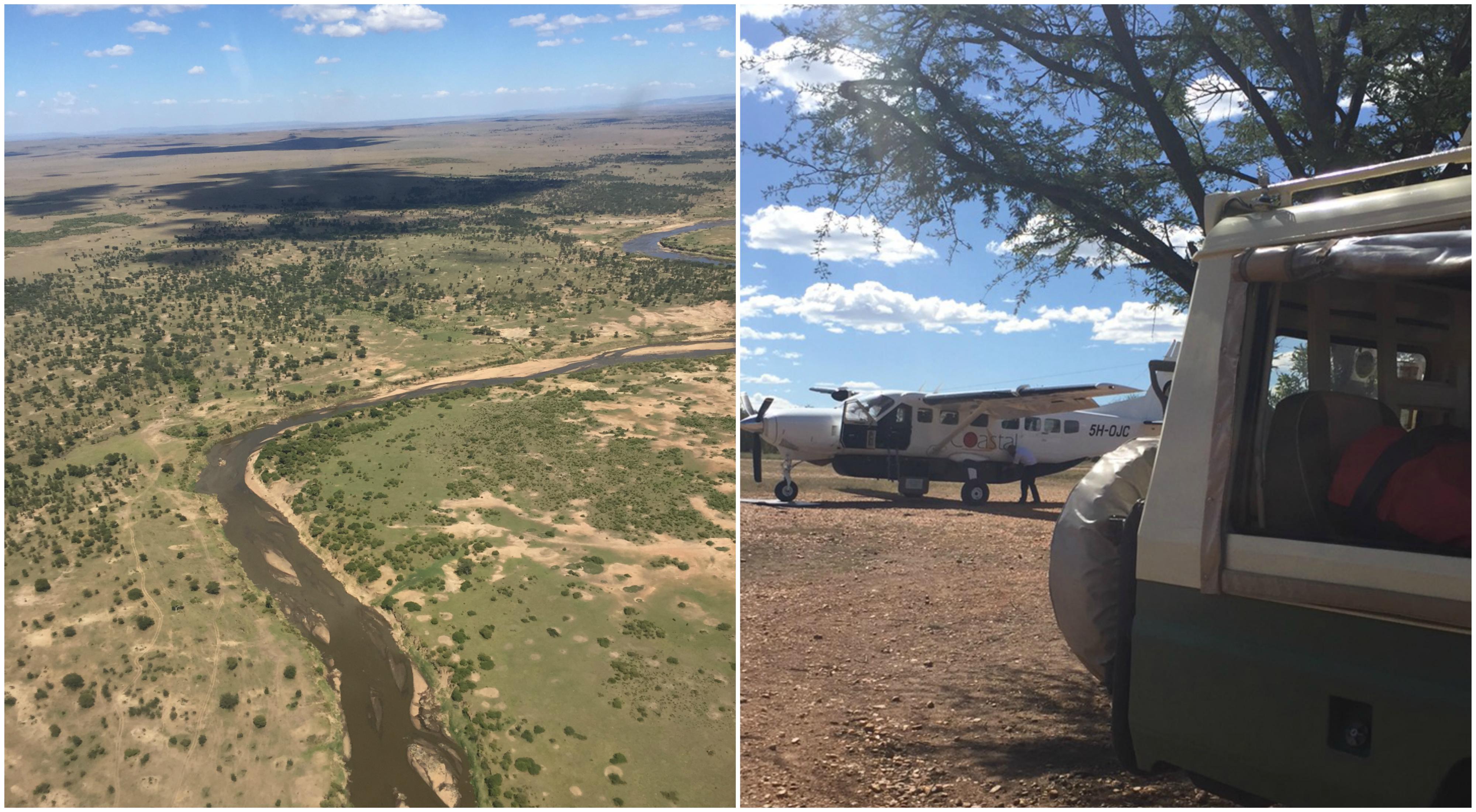
Because we were coming from Pemba, a remote island off the coast of Tanzania, we had a long day of airstrip hopping on bush planes. Depending on where you are coming from, there are more direct options. Fortunately, Extraordinary Journeys took care of organizing our lodging and our flights in and out of the bush.

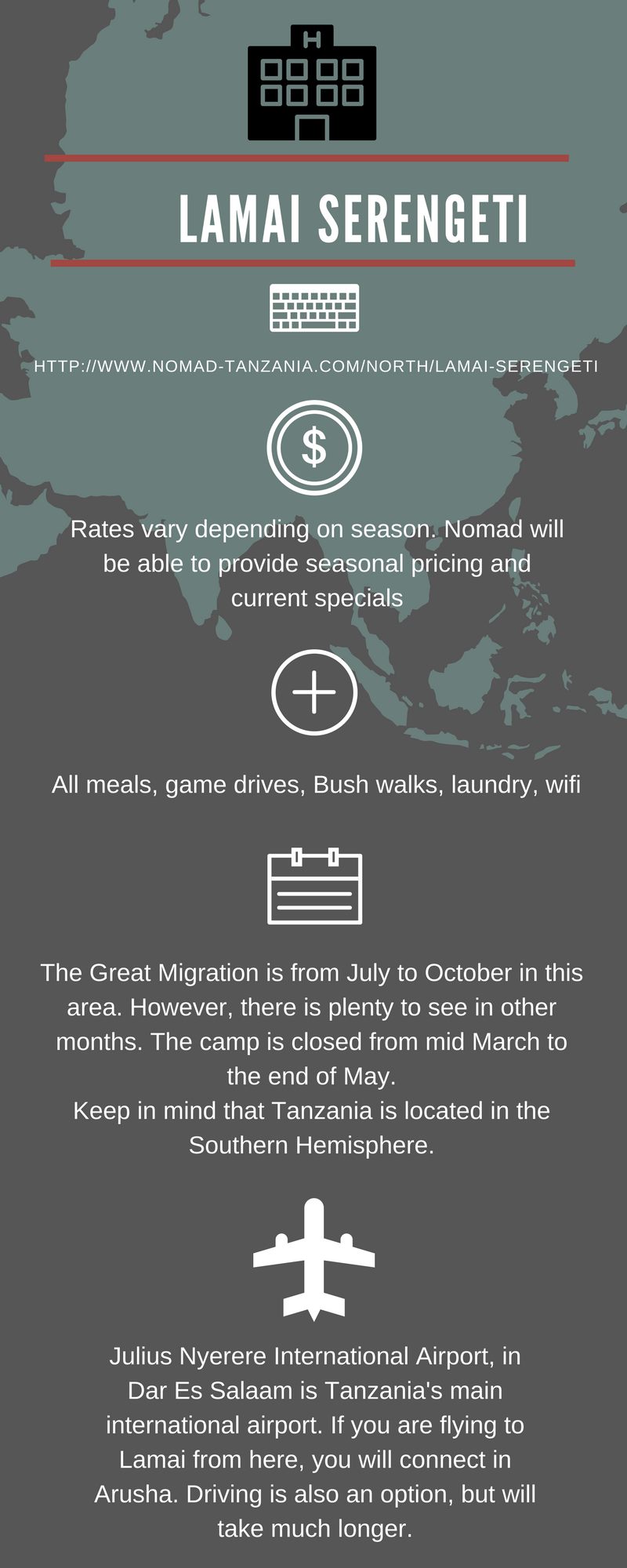
- A three to four night stay is recommended to fully enjoy Lamai
- There is a great little boutique on property and all proceeds go to local organizations. Save your souvenir shopping for here
- If you’re celebrating something special, let them know ahead of time and they can arrange a private dinner for you
- You don’t have to go on every game drive. You could do a bush walk, hike to the top of the Kopje to catch the sunrise/sunset, take a hot air balloon ride or just rest
- Nomad’s website is a fantastic resource to start planning your itinerary. Combine Lamai with other Nomad camps to complete your adventure!
- Use a safari outfitter like Extraordinary Journeys to create a seamless trip
- Read more about planning for a safari here
- Read more about what it’s like to be on safari here
The post Lamai Serengeti: The Lodge first appeared on When is Now.]]>
Within minutes of opening the information, I knew that this was our spot. A beautiful boutique hotel in a quiet leafy suburb of Nairobi, drenched in art and quirky accents, and minutes from the places we wanted to visit.
Getting There
We had spent a couple of days in London before heading to Kenya. Our British Airways flight left London at 8:00 a.m. and we arrived in Nairobi a little after 9:00 p.m. that same day, which happened to be New Years Eve.
As with the majority of our airport stops in Africa, Extraordinary Journeys arranged airport transport. In Kenya, this person quickly moved us through passport control to baggage claim, and then made sure that we made it to our guide. This guide (also arranged by EJ) took us to and from the airport, as well as to the spots we visited during our time in Nairobi.
African Hospitality
In this post, and in the next several posts, you will notice a theme: “African Hospitality”. It is a hospitality that is unparalleled and one that stems directly from African culture, tradition and community based values. I have yet to visit Africa without feeling genuinely cared for while there.
This care was a crucial part of our experience at OneFortyEight. While the art and beautiful property were outstanding, the hospitality is the real star.
We were greeted by Ruth and Mags as we pulled into the driveway. Our bags were taken to our room and we were given a tour of the main part of the property and of our studio apartment. We freshened up and went back into the main house, where a huge fire was burning and our bottle of champagne was chilling over ice.
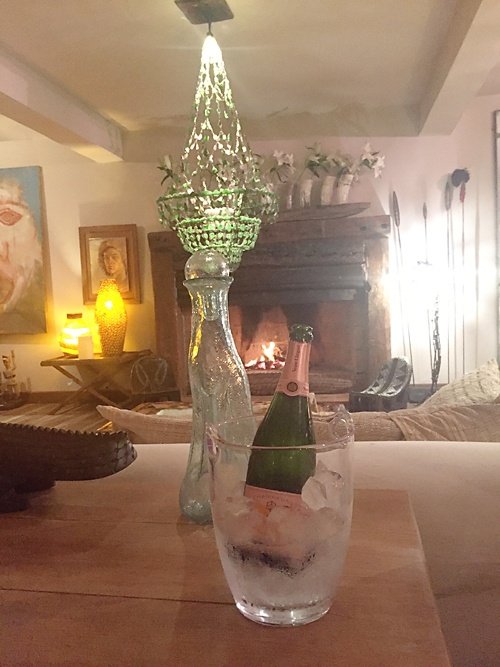
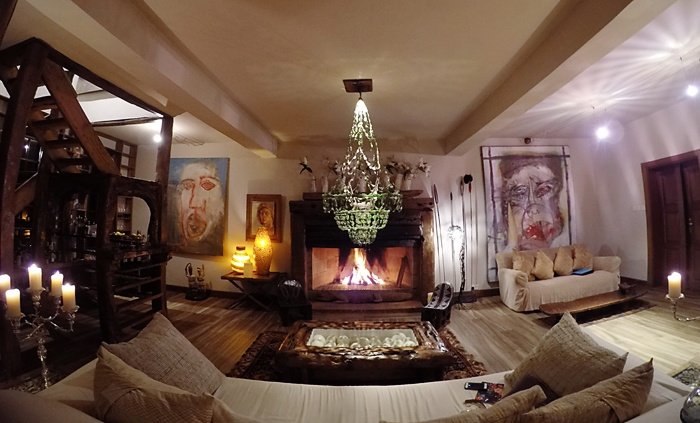
As Mags said goodnight, she explained the rules to us: Ruth would stay with us until we went to bed and would get us anything we wanted from the bar or kitchen. Or, if we wanted the place to ourselves, we could excuse Ruth, help ourselves at the bar and just write down whatever we took. We were set with our champagne, but enjoyed Ruth’s company. She gave us a little bit of background on the property and taught us a few words in Swahili, which she claims is a very easy language to learn. A little before midnight, we were able to convince Ruth that we would be okay without her for the rest of the night, settled on a time for coffee to be delivered to our room and to have breakfast on the patio and said goodnight. And there we sat, in this beautiful room, with a crackling fire, a bottle of champagne and each other. There is no other place or way I would want to ring in 2017.
Mags was concerned that we would have wanted more activity for our New Year’s Eve, but it was so perfect. OneFortyEight’s hospitality was warm and attentive throughout our stay. The next day, Mags had suggested that we go out for dinner. She made us reservations and called her “go-to” taxi driver to take us and bring us back. He actually just waited for us at the restaurant. We didn’t take out enough shilling (Kenyan currency) at the airport, so Mags gave us some and charged it to our room. When we left for dinner, Mags and Ruth walked us to the car. When we returned, they were waiting for us in the driveway. When we returned from dinner, Ruth asked if we would like a drink by the fire. We did, but unfortunately we needed to pack. So Ruth, upon her suggestion, brought a glass of wine to the room. We had a very early departure the next morning. Ruth arrived with some coffee and biscuits, well before dawn, and when we got to the car, there was a packed (delicious) breakfast for us. And, of course, Mags and Ruth saw us off. Their personalized care and attention were unforgettable.
The Property
Art completes what nature cannot bring to finish. The artist gives us knowledge of nature’s unrealized ends. – Aristotle
On that first night, as I walked around the living area of the main house, I mentioned to Ruth, “I just want to look at everything in here.” To which she responded, “Just wait until you see it in the light.” She was right.
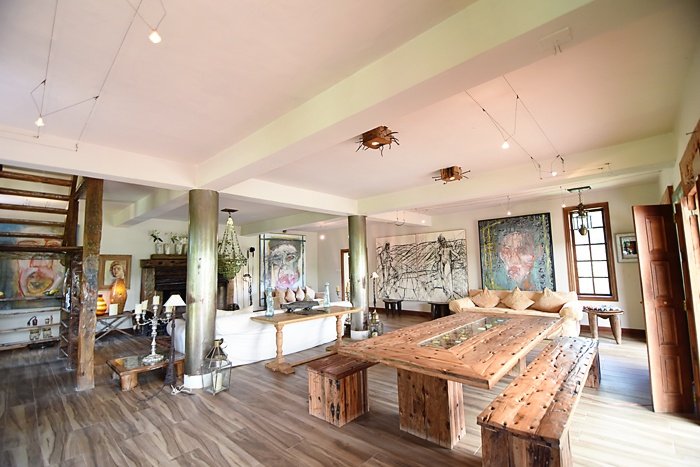
When I refer to the living room of the main house, I am referring to the former home of artist Antonio Trzebinski and his wife, designer Anna Trzebinski. There is an enthralling side story, that is worthy of its own post, but it is a fifteen year old mystery full of a deep rooted history and speculation. So, I will leave you to do your own research. Mr. Trzebinski died (at a young age) fifteen years ago and Mrs. Trzebinski has since moved to London with their children. What is left is a perfectly preserved home wreathed in the late artist’s work and dotted with native tribal elements and, well, quirkiness. And, that was the deal when this home was turned into a boutique hotel: It stays as it is.
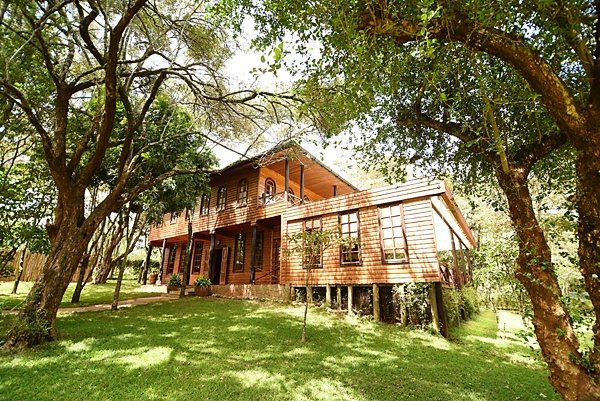
Wood is the core element of the main house. From the outside, it looks like a log cabin in the woods.
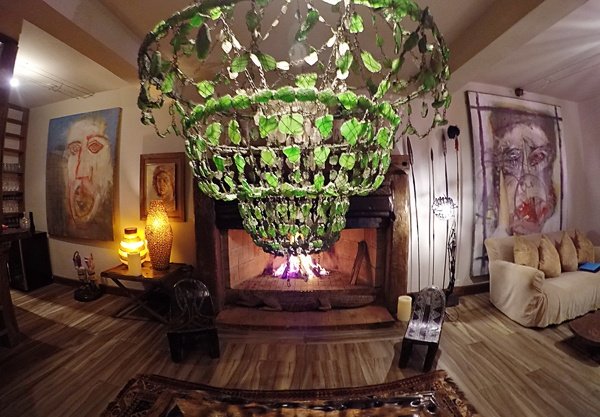
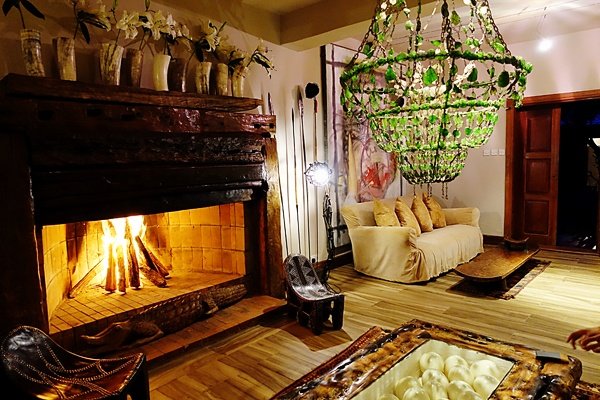
The wood continues throughout the inside and is the perfect backdrop to show off the artwork and other decorative details. The first thing you notice upon entering is a massive wood fireplace crowned by an emerald chandelier. However, the art, particularly the two pieces that flank the fireplace, quickly demand your attention. And the art… it is fascinating, and bizarre and beautiful and it is everywhere. In front of the fireplace is a wooden carved out coffee table filled with ostrich eggs and covered in glass. And just behind that coffee table is a sofa that swallows you the second you sit on it. And you should let it do so. And sit there. And take a moment to soak in that incredible room.
Extending off the main room is a verandah that is equal in size, if not larger. The most lovely thing about the verandah is that it brings the indoors outside with more art, furnishings and multiple sitting areas that all look out onto the tree filled property (and the occasional snacking warthog). On the corner of the verandah is a large square table, where we enjoyed breakfast.
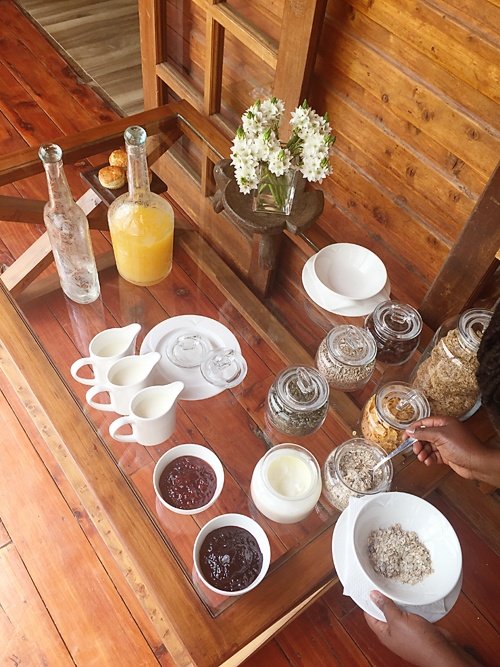
It is a serene little spot to lounge with a glass of wine and a good book.
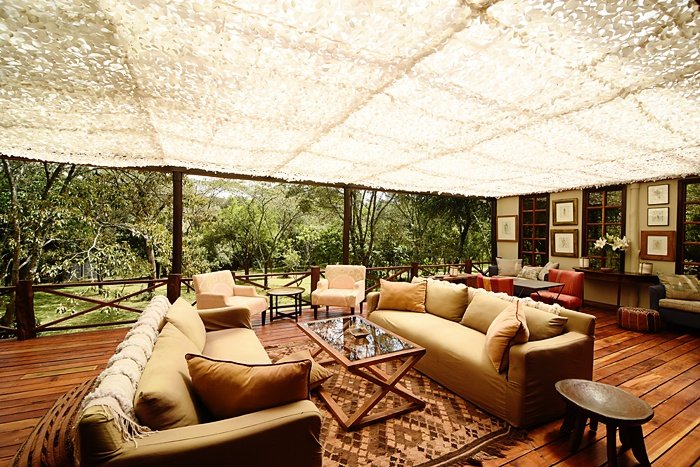
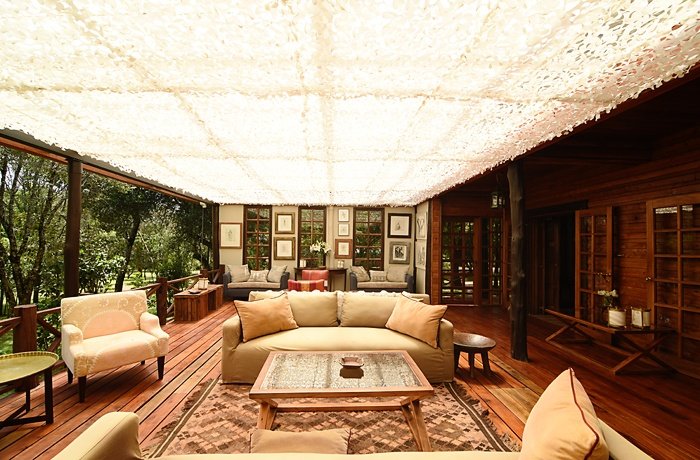
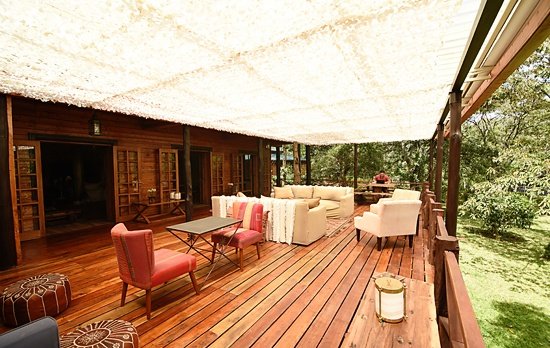
Inside, an intricate wooden stair case leads to the second floor of the main house, which holds the master bedroom, with a private verandah, and two additional bedrooms.
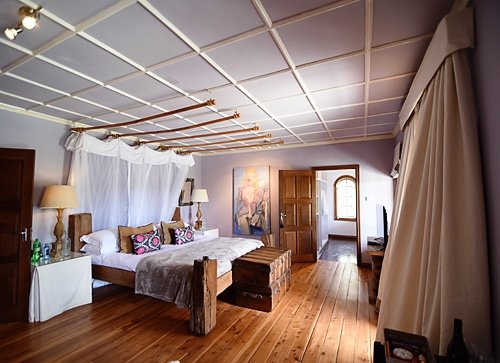
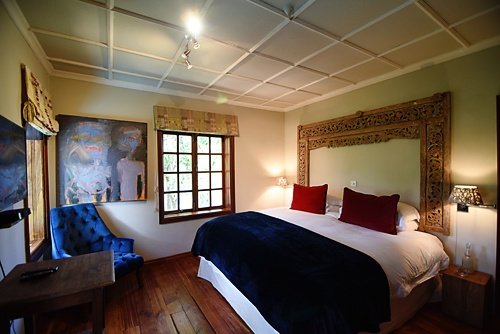
On the third floor there is a large loft with three single beds. This room is intended for children and it looks like it would be an absolute blast.
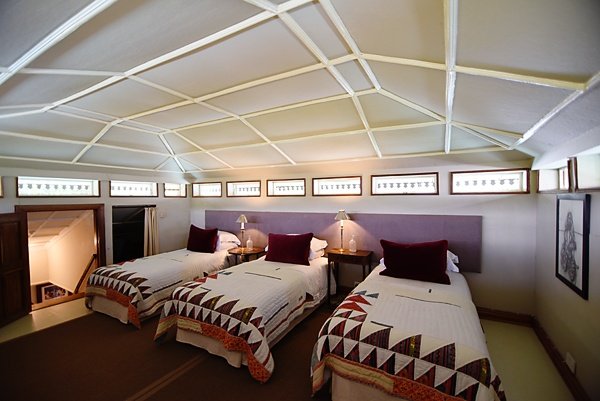
All rooms are available separately or large groups or families may reserve the entire house.
The studio apartments (where we stayed) are what was formerly Mr. Trzebinski’s studio. It has been beautifully converted into four, two-story, open concept lofts. Each has a grand entry way, with floor to ceiling windows, that leads to a cozy sitting area and the bathroom with a large rain shower. 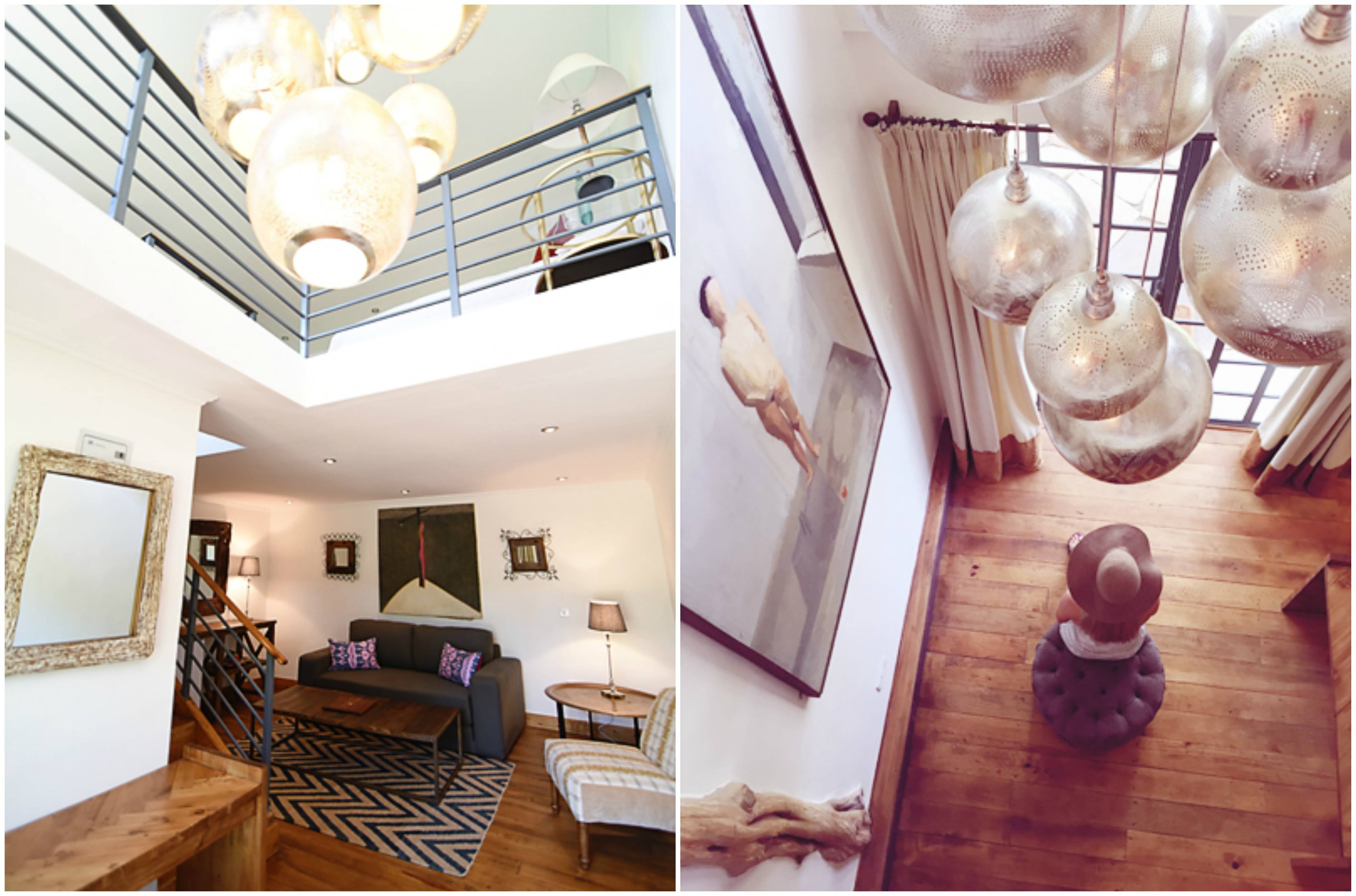
The top floor has the bed, a small sitting area and a television. It’s a brilliant design and the windows and open concept make it bright and cheery.
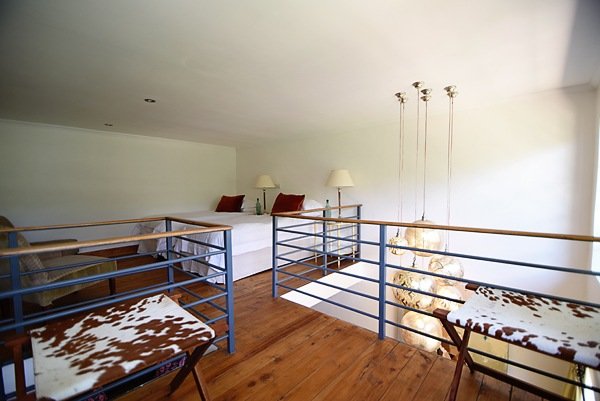
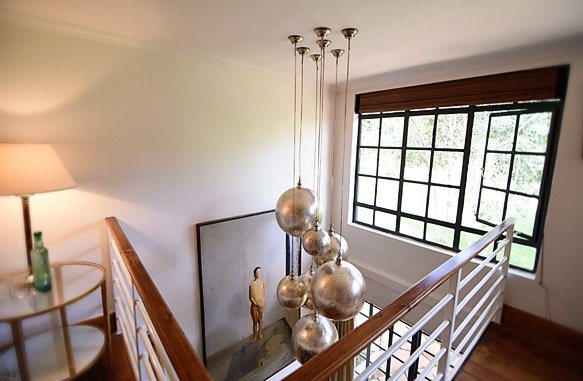
All four studios are identical in layout, but vary by the pieces of Mr. Trzebinski’s art that adorns the walls.
The new owners of OneFortyEight created a small addition to the studio.
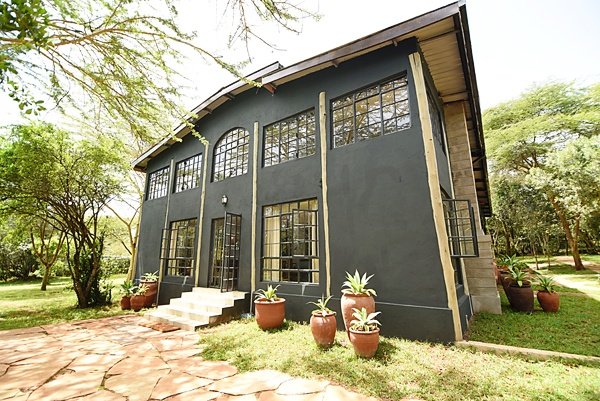
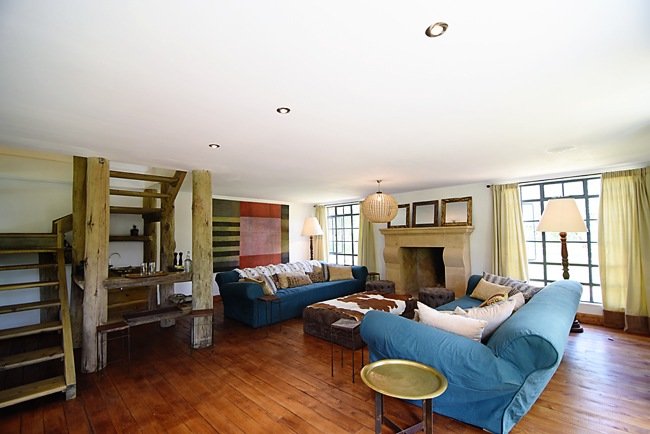
On the back side, they added a sitting room that is a replica of the living area of the main house. You can find those huge, plush couches, a large wooden fireplace, a dining area and, of course, more art.
Upstairs, you will find two single story studios with huge soaking tubs.
A Perfect Day in Nairobi
We technically had one full day in Nairobi, but we were able to see a lot thanks to OneFortyEight’s prime location. On that day, I spent the morning wandering around the property with Ruth and getting a little too excited about the resident parrot, warthogs and peacocks.
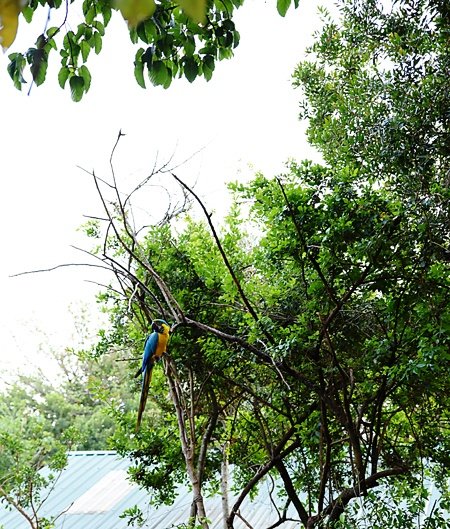
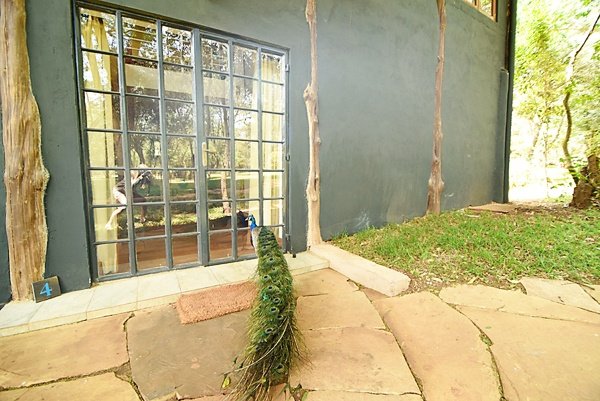
We were picked up at 2:00 and taken next door to the Giraffe Centre, which is the breeding center and home to Rothschild giraffes. It is a nonprofit center focused on education. And, you can feed the giraffes! And kiss them. As well as learn about them and the center’s conservation efforts.
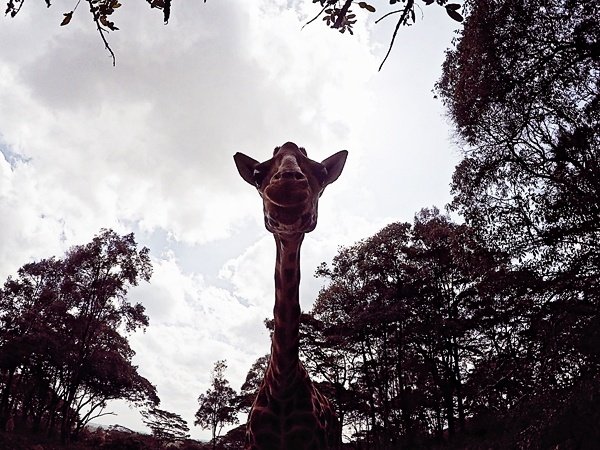
It’s well worth a visit. It costs about 5 USD per person and you can plan on visiting for about 45 minutes.
From there, we went to a great shopping center that is filled with a number of small shops selling local, handmade crafts and jewelry. If your bag is already filled to the brim (like mine), they will ship your purchases.
We had just enough time for coffee before our 4:45 appointment at the David Sheldrick Wildlife Trust. We have supported the DSWT for a long time and have been wanting to visit for years. The Sheldrick’s story is amazing, and I highly encourage you to check it out. The very short version is that they rescue baby elephants whose mothers have been killed as a result of poaching. But it’s not just elephants. They have two rhinos, a giraffe and recently a rescued baby hippo…named “Humpty”. You can “adopt” any of the rescues, and if you do, you can visit the center during a special viewing time.
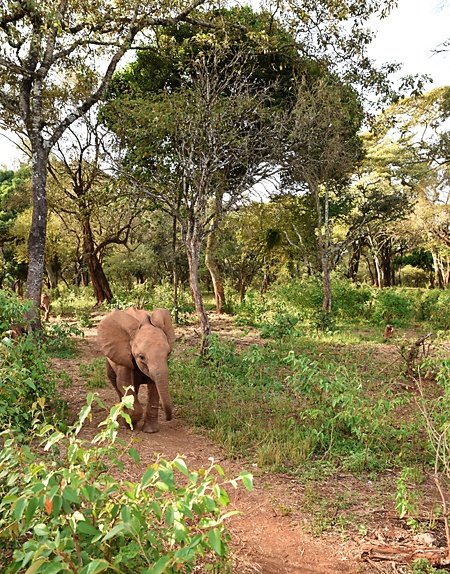
We were lucky enough to meet our adopted baby Jotto. Isn’t he amazing?!
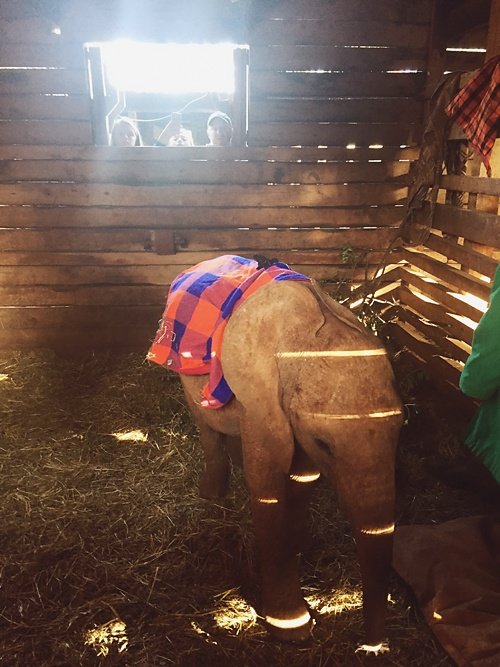
We spent a little over an hour at the DSWT and then made it back to the hotel with plenty of time to freshen up before a lovely dinner at the legendary Talisman.
Our stay at OneFortyEight far exceeded my expectations. At the time, they had been open for less than two weeks, which means they will only get better as they perfect their rhythm. My only regret is that we didn’t stay one more night, just so I could spend a few hours on that verandah.
OneFortyEight is a distinctive property, in a beautiful setting, with imitable service. It is the perfect place to recover from the long journey to East Africa and slowly adjust to being in Africa.
To find out more about OneFortyEight Nairobi, you can visit their website.
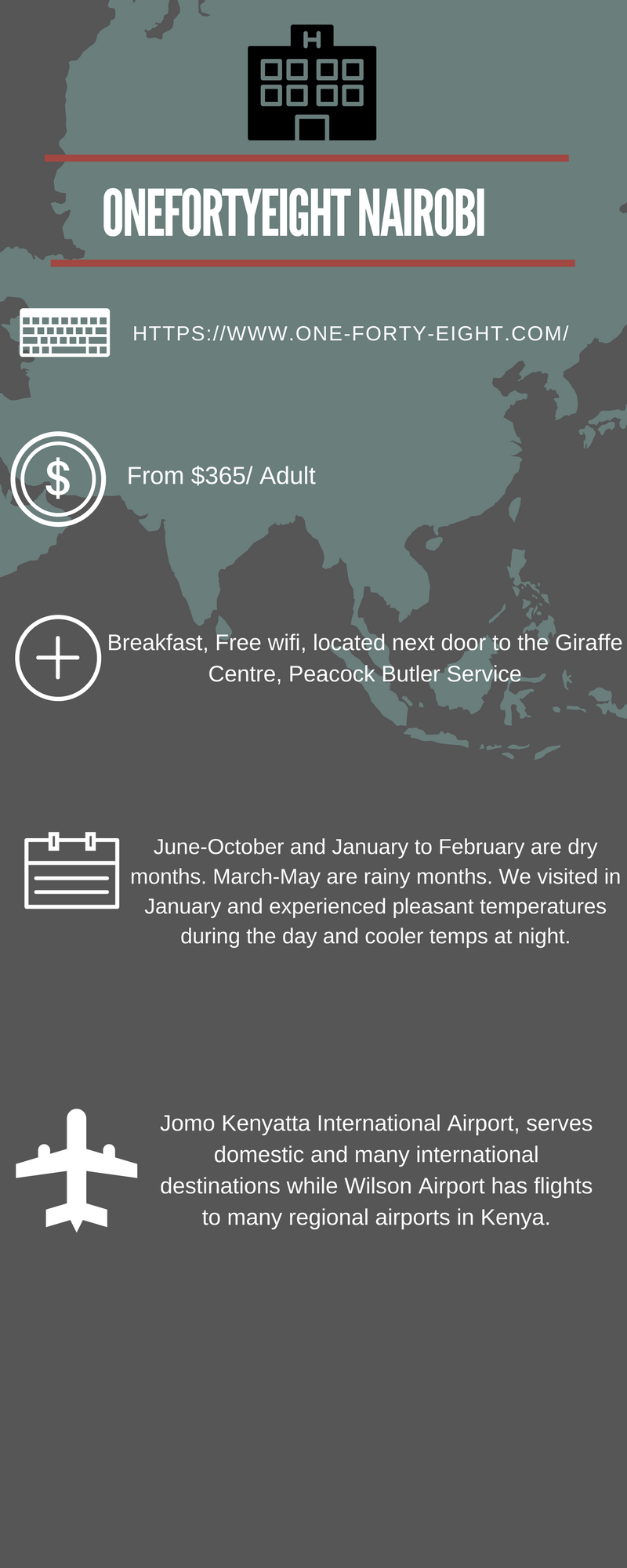
- With only ten rooms, this a peaceful boutique hotel.
- This is a wonderful place to unwind and adjust to a slower pace. Embrace it.
- There is a boutique onsite.
- You will see stunning glass bottles all over the property. They are handmade by the owner.
- There is a lovely wine, beer and liquor selection.
- If you are visiting the David Sheldrick Wildlife Trust, you must make reservations in advance.
- Allow plenty of time if you are departing out of Jomo Kenyatta International Airport.
The post Introducing OneFortyEight Nairobi first appeared on When is Now.]]>
For one of the ladies there, the answer I gave was good enough. She was intrigued. She emailed me the next day asking more questions and a little over two months later, she was on a three week adventure through Africa with her Mom.
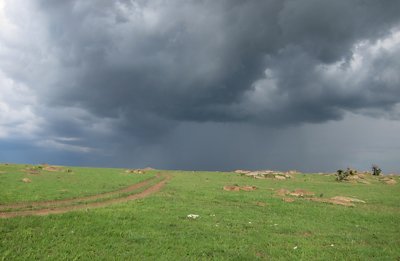
I have yet to find the words that best describe how special being in the bush is, but I’ll try. It’s the beauty of seeing the sun rise and set each day and taking a moment to enjoy it. It’s being in the presence of some of the most magnificent animals on earth and experiencing them in their natural habitat; where they should be. It’s the rush of racing in your game vehicle to see that one animal you have been waiting to see. It’s seeing the sky turn, in an instant from welcoming to menacing, and deciding to wait it out in your vehicle instead of rushing back to camp. It’s having pre-dinner cocktails with other travelers from around the world and having at least one thing in common to talk about: “What did you see today?” It’s sundowners: pulling over in a beautiful spot for the sole purpose of watching the sun set, with cocktail in hand. For some camps, it’s absolute luxury in the rawest of places. It’s the people and their genuine kindness and the culture rooted in family and tradition.
In the previous post, we chatted with Extraordinary Journeys about how to plan a safari. In this post, Helen, Camp Manager at Nomad’s Lamai Serengeti, is going to tell us what to expect when we get there.
 Photo Courtesy of Lamai Serengeti
WIN: How long have you been working as the Camp Manager at Lamai Serengeti and how did you get into it?
Lamai Serengeti: We’ve been here for almost 18 months now. My husband and I came to relief manage for 2 weeks and loved it so much we never left. Clyde worked in a safari lodge before we met and twisted my arm to move to the wild 9 years ago. In my former life I used to be a dancer and Ballet Teacher … so this is a completely different!
WIN: What does a typical day on safari look like?
Lamai Serengeti: Guests usually wake around 05h30 and head out for a game drive by 06h00 – 06h30 taking a picnic breakfast with them (early mornings are typically good for animal sightings). By around 13h00 (1:00 p.m.)tummies are rumbling again and it’s back to camp for a buffet lunch (Alternatively guests can take picnic lunches and spend the whole day in the Bush). Early afternoons can be spent at the pool, having a nap, reading a book or just soaking up the view. After some afternoon tea (or a gin and tonic), it’s time for another game drive at around 16h30 4:30 p.m.). A sundowner out in the bush is a favourite end to the day before retreating back to camp for a hot shower, drinks by the fire and then dinner. Most guests tend to be ready for bed by about 22h00, although there’s sometimes a party vibe, depending on who’s staying with us.
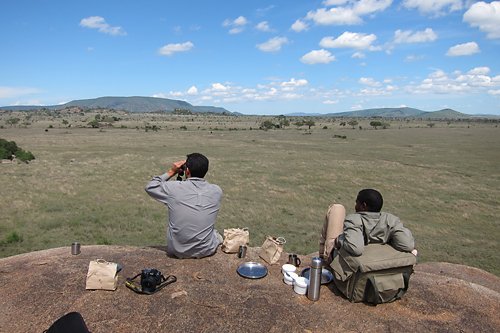
WIN: What kind of food is available?
Lamai Serengeti: Anything from typical cereals and egg and bacon for breakfast, to light salad lunches with samoosas, kebabs, wraps and freshly baked breads. Dinners are 3-courses – stuffed chicken breasts, beef fillet or traditional swahili food. Of course, if you let us know we can cater for special diets for folks who are vegan, lactose intolerant, etc.
WIN: Are there safari/game drive rules and etiquette? What are they?
Lamai Serengeti: It’s best to be quiet in the vehicle, particularly if you’re close to animals. Smoking and talking on your cell phone would be considered inappropriate. If you’re sharing a vehicle with other guests, it’s always good to ask if anyone particularly needs to sit close to the front (perhaps they’re hard of hearing and need to be close to the Guide, or aren’t very mobile) The Guide has rules too, like not venturing off-road, so you shouldn’t ask him to do that. He also has etiquette guidelines towards other vehicles when sharing a sighting so that everyone gets to have a good view.
WIN: Many people leave an African safari with a feeling of pure awe and amazement that is often described as…”indescribable”. It’s a feeling that is often chalked up to “African footprints on the heart”. Do you have thoughts on what this feeling is?
Lamai Serengeti: You’re absolutely right, this is a common feeling. It’s something about how Africa touches your soul. Maybe it’s a reminder of how things once were; when humans lived within their environment instead of trying to control it.
When it rains, you shelter; when it’s dark, you sleep – no trying to go, go, go 24 hours a day – like so many of us do today.
WIN: What animals are most commonly seen?
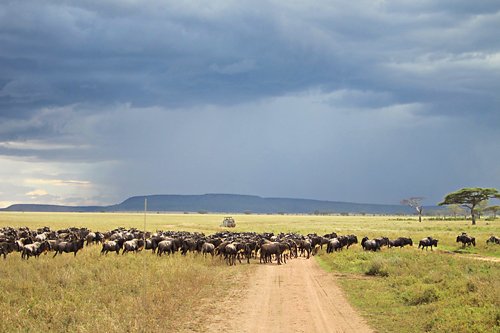
Lamai Serengeti: Goodness that’s hard to answer because there are so many! During the months when the wildebeest migration is in the area (June-October) the most commonly seen animals would be wildebeest and zebra (in the hundreds of thousands) Throughout the rest of the year we have an abundance of ‘plains game’ antelope, zebra, buffalo as well as crocodile, hippo and we’re lucky to have a large pride of 20+ lion which have become known as the ‘Lamai Pride’ We are also lucky to often see leopard and cheetah.
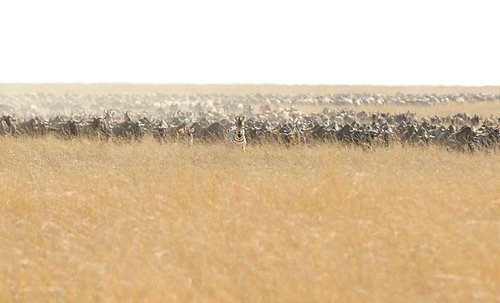
WIN: What is your favorite animal to see in the bush and why?
Lamai Serengeti: I think I’ll say Hippo because we don’t ever see them in and around camp (we’re not close to the river) and I just love their cute, fat bodies with short stubby legs. I know they’re not really cute by the way …. Never get between a hippo and the river or you’re history!
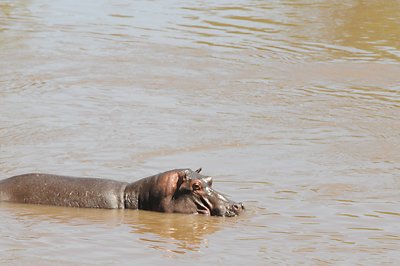
WIN: I remember getting ready for my first safari. It had been planned for the better part of a year and it wasn’t until about a month out that it dawned on me that I might see a “kill” and I panicked a bit. I have been two more times since that trip and have yet to see a kill. How common is it to see a kill and how do you prepare your guests for it?
Lamai Serengeti: You’d be incredibly lucky to witness a kill. Although it can be a bit gruesome, it’s all part of the circle of life and very educational. You’re more likely to see predators eating on a carcass rather than the actual moment of killing and there’s sometimes a hunt which is unsuccessful. During migration season you might see a crocodile take down a wildebeest in the river, a cross between drowning and fatal injury. Although most guests are relieved to see the wildebeest escape the clutches of a crocodile jaw, we must always remember everyone needs to eat. We don’t bring this up with guests when they arrive, we would not like to raise expectations – and our Guides are fantastic at explaining the behaviour if they are lucky enough to experience it with their guests.
WIN:How close will we be to the animals?
Lamai Serengeti: Hopefully very close! But seriously, it depends on the animal. Snoozing lion for example, if approached slowly and quietly won’t mind if you get as close as 5 metres. Plains game, like zebra are far more skittish, you’re more likely to see them standing still at 10-15 metres away.

WIN: How safe will I be? Is there anything I should look out for? Anything poisonous?
Lamai Serengeti: In the vehicles you are safe if you listen to your Guide. In camp you are safe as long as you do as instructed when you arrive. Walking alone within the camp in daylight is fine as long as you keep your eyes peeled and stay on the pathways. In darkness an askari (guard) will always walk with you. In case of animal encounters, they know how to react and buffalo are common in our camp at night. There are very dangerous snakes, like the Black Mamba, but seeing them is uncommon. They don’t like us as much as we don’t like them!
WIN:How many people are in the vehicle during a game drive?
Lamai Serengeti: This depends on how you book your safari – For a relatively small additional cost you can book a private vehicle which can be 1-7 people together with your Guide. Great for family groups or couples who want flexibility. Otherwise you can book what we call a ‘Game Package’ and this means you’ll share the vehicle with other guests (usually up to 6 people) I like to recommend a private vehicle if you have specific ideas about what animals or birds you’d like to try to pursue or about how you’d like to structure your day. Imagine you desperately want to search for the elusive Rhino and your vehicle mates only want to watch Lilac-Breasted Rollers and other beautiful birds!
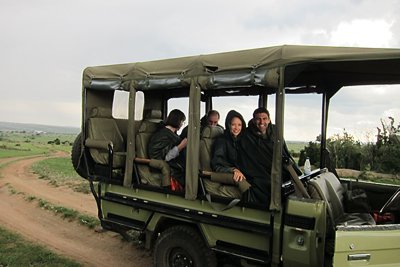
WIN: What are some other activities available at the lodges?
Lamai Serengeti: Walking is a favourite alternative to game drives. You can walk for any duration, perhaps a short 1 hour stroll before a sundowner in the late afternoon or a good 3-4 hour hike in the early morning when it’s not yet too hot. Your Guide will accompany you along with a National Park Ranger and our Scout who both must carry rifles to keep you protected in case of an animal incident. We have a pool in each of our 3 locations at Lamai, the perfect way to cool off in the heat of the day, plus a shop for some retail therapy! We can also arrange Hot Air Balloon trips, at sunrise, which is A beautiful way to experience the Serengeti.
WIN:What are the top five things I should have with me on safari?
Lamai Serengeti: A camera, binoculars, sunscreen, a hat, a warm jacket (temperatures can be cold early morning and hot by 10am!)
WIN: For the active people, is it possible to exercise while on safari? Are there gyms at some of the lodges? Can you go for a run?
Lamai Serengeti: There’s no gym here at Lamai Serengeti (but there are in some luxury lodges) We have various tracks and pathways, which if you really wanted to, you could run. We have to insist you run with an askari (guard) to make sure you stay safe …. We wouldn’t want you to be mistaken for a running antelope! Some airstrips allow running there, with a car driving alongside you.
WIN: Is wifi available?
Lamai Serengeti: Yes, we have wi-fi in the main lounge areas at Lamai Serengeti and in Mkombe’s House… Always good for checking in with the dog-sitter and making your friends green with envy when you post photos of your day!
WIN:What is your favorite time of year in the bush and why?
Lamai Serengeti: Here in the northern Serengeti I enjoy October/November and January/February. Fewer guests visit at those times of year, so there are fewer cars out and about and you feel like you’re really alone in the wild. You might get some rain November – March, but I personally think that to experience an African thunderstorm adds even more to your safari – plus when the landscape turns lush green it’s incredibly beautiful. Wildlife documentaries which inspired people to travel here only duration the migration season have a lot to answer for!
Helen, thank you so much for taking the time to chat with us. We look forward to seeing you soon!
As always, I’d love to hear your questions and comments. Have you been on safari? Are you ready to plan yours?
The post What to Expect on your African Safari first appeared on When is Now.]]>There are a lot of questions and the answers can vary widely based on the country in which you will safari. You need to know the visa requirements, what to pack, what vaccines you need, what the currency is, and you want to know what to expect. Not to mention all the little details unique to a safari—like trying to figure out how those bush planes work! Obtaining reliable answers to these questions is why I have worked with a tour operator three out of the most recent four times I have travelled through Africa. Working with a tour operator that specializes in curating African safaris is not just an additional luxury, it’s a necessity and something we highly recommend.
This Q & A post, and the one that follows, is intended to provide answers to some of the unknown and to intrigue and inspire you to take that journey. However, you aren’t going to hear it from me. You’re going to hear it directly from the experts.
I’d like to introduce you to Jamie and Marcia from Extraordinary Journeys. They, and Emma, have been instrumental in putting together my fourth African safari experience and my second experience in East Africa. Not only have they been phenomenal in their responsiveness and service, they are incomparably knowledgeable. So much so, that I have dubbed Jamie my “Africa Siri”. She always has the answer.

WIN: Marcia and Jamie, thanks so much for taking the time to answer some questions about planning an African safari. Because we are preparing for travel to East Africa (Kenya and Tanzania), I’ll keep my questions directed towards those areas.
Before we start, could you tell us a little bit about yourselves? How long have you worked in the industry and what made you get into it?
Marcia: I have over 40 years of experience in African travel. I have always had a bit of a love affair with Africa which prompted me to join the Peace Corps which got me to Uganda. While in Uganda I was lucky enough to meet my husband, who was the co-founder of the Africa package tour company Park East Tours. We lived in Kenya for many years where I worked for Park East Tours, raised three daughters, designed and built a home overlooking Nairobi National Park, earned my pilot’s license, studied traditional medicine and visited every place I could in Africa. After a lifetime in the safari world, I started Extraordinary Journeys with my daughter, Elizabeth.
Jamie: I’m certainly more of a newcomer to travel than Marcia but I’ve been in the industry for 5 years now. I found that I was spending all of my time and money traveling while working at the Smithsonian and wanted to translate that creative energy into curating experiences rather than educational programs.
Preparation
WIN: Ideally, how far in advance should someone start planning a safari?
Marcia: Most African safari-goers start planning six to nine months in advance. This gives us enough time to organize and execute an itinerary, and travel documents.
Jamie: If you’re planning a honeymoon, you might want to consider planning your trip a year in advance, especially if you intend to travel during the peak season of November through February in South Africa, or July through September anywhere else.

WIN: Do you have any books you recommend reading before going on safari (fiction or nonfiction)?
East Africa:
- DK Eyewitness Travel Guide
- Wildlife of East Africa by Martin B. Withers OR the more detailed wildlife guide
- The Safari Companion by Richard Estes
- The Scramble for Africa by Thomas Pakenham
- North of South by Shiva Naipaul
- The Tree Where Man was Born by Peter Matthiesen
Kenya:
- West with the Night by Beryl Markham
- Eyewitness Guide Kenya by Phili Briggs
- Ghosts of Tsavo by Philip Caputo
- Portraits in the Wild and Elephant Memories by Cynthia Moss
- The Marsh Lions, The Story of an American Price by Brian Jackman
Tanzania:
- Bradt Safari Guide Northern Tanzania by Philip Briggs
- Africa, The Serengeti by George Casey
- Snows of Kilimanjaro by Ernest Hemingway
- Wildlife of East Africa by Martin B. Withers | David Hosking
- Tanzania Map by Nelles
WIN: Do you have packing recommendations? Is there anything that should or shouldn’t be worn?
Marcia: General rules of thumb are that clothing colors should be chosen based on landscape and vegetation. Khaki, olive and brown work well everywhere and don’t show dirt. If you want to bring white garments, remember that you will often be on game drives in open vehicles and you will get the rich red soil of Africa on everything! In addition, white shirts are not recommended on game walks in Southern Africa and red is discouraged in East Africa because predators may shy away from red because they associate the color with Masai warriors!
Cotton clothes and moisture-wicking fabrics are good for staying cool during bush walks in the heat of the day. Shorts, slacks or skirts with shirts and a cotton sweater or other layers to shed as the day heats up are perfect. A hat with a brim is essential, as are sunscreen and sunglasses. Comfortable walking/running shoes, worn with socks are recommended. I like sports sandals for game drives or around the lodge, but not for walks where there may be thorns. In the early morning and evening, socks with your shoes deter mosquitoes. Include a lightweight raincoat or jacket, and a swimsuit if your camp has a pool. Early mornings and late evening game drives can be quite cold. Be sure to bring a warm jacket (fleece or a Nano Puff® Jacket), a woolen scarf and hat and gloves.
If you are staying in small tented camps you will probably not have time to change for dinner… it will be safari wear 24/7. At high-end lodges, guests tend to dress up a bit for dinner. Smart casual is the standard. Laundry service is available at the camps we use. I like to take three changes of clothes for a week on safari. I avoid heavy jeans because they take a long time to dry and I don’t like packing wet clothes!
You can read more of Marcia’s packing tips, complete with a checklist, here.
WIN: How many days do you recommend for safari? What is a good overall trip duration?
Marcia: You could spend just a week on safari and have a great time. However, I highly recommend ten days to two weeks depending on their itinerary and activities. For those with the time, three weeks is ideal.
Jamie: If you are incorporating multi-day walking safaris, water-based safaris, or a few days gorilla trekking, a week is usually not enough. However, for more basic safaris, 7 days bouncing around in a 4×4 is about as much as your body can take. A safari is not the most relaxing vacation – however, it’s often the most memorable. Many people, especially honeymooners, spend as few as 3 nights on safari in a place like South Africa’s Sabi Sand. The lure of nearby Cape Town, Winelands, and the beaches of Mozambique and Madagascar can be hard to resist!
WIN: What are some non- safari activities you would recommend while in Kenya and Tanzania?
Marcia: Conservation is central to Kenya’s tourism industry. The work of communities and families with historic ties to the land ensure the continuity and success of Africa’s animals. You can learn about conservation in action while staying on private ranches. Sometimes that means partaking in a census or a darting operation. Clients can visit rhino breeding programs in Lewa, to elephant research projects in Samburu and Amboseli, chimp rehab in Kitengela and the Sheldrick Elephant Orphanage in Nairobi.
Jamie: Tanzania has more to offer than the Great Migration: Mount Kilimanjaro is the highest peak in Africa; Mahale Mountains National Park on Lake Tanganyika is home to one of the largest chimpanzee population in the world; and some of the islands off Mozambique and Zanzibar boast some of the continent’s best beaches.
Other non-safari activities include: ATV & quad bikes; biking; biplane; birding; boating; bungee jumping; camelback safari; camping; canoeing; chimpanzee trekking and interactions; community visits and cultural exchange; conservation and reserve management; dhow rides; elephant interaction; fishing; food and wine; golf; gorilla trekking; helicopter; hiking and climbing; historical site visits; horseback safari; hot air balloon; kayaking; microlight; mokoro; rhino tracking; scuba diving; shark breaching and diving; snorkeling; visit a non-profit or social business; whitewater rafting and yoga.
WIN: Is it possible to visit a local village?
Marcia: By all means… it is a really fun thing to do if done right and we help our clients avoid the multitude of canned experiences out there. Instead of a visit to a Maasai village that feels contrived and uncomfortable, you can visit your guide’s family, or spend an afternoon in the village that many staff members call home. Every interaction should be a genuine conversation and an opportunity to learn from one another.
Jamie: Part of the beauty of traveling is to see how others live without the (often) cheesy, touristy front and in this, Kenya and Tanzania excel. If done properly, Kenya and Tanzania offer travelers a true understanding of the country and its people and the opportunity to engage with locals who are eager to meet and converse with travelers. We also partner with a handful of non-profits across the continent doing diverse and incredible work. In Tanzania, some of our clients spend a half or full day visiting Jifundishe, a local library and education initiative in a rural village. Some simply observe the local dukas funded through the library’s microfinance program and others teach a skill or activity.
WIN: Do you need to get a visa before visiting Kenya or Tanzania?
Marcia: Both countries require visas. For Kenya you can apply online prior to arrival through the eVisa website at www.evisa.go.ke. For Tanzania you may obtain a visa through the Tanzanian consulate offices in the U.S. prior to departure. However, visas for both Kenya ($50) and Tanzania ($100) are available at the airport/border upon arrival.
WIN: How about vaccinations? Which ones do I need?
Jamie: Kenya is considered a Yellow Fever Zone. However, if you are only traveling to Kenya, the vaccination is not mandatory. If you are traveling to another African country after Kenya, you must obtain vaccination and carry proof of inoculation with you.
Tanzania is not considered a Yellow Fever zone so a vaccination is not required (unless you are arriving from a Yellow Fever zone (i.e. Kenya).
WIN: What are the most common mistakes people make when planning a safari?
Marcia: There are several. Doing it yourself can be great if you have lots of time and love doing in depth research. And are happy living with your mistakes as well your successes. If not, it is crazy not to utilize the expertise of people whose full-time job is to know EVERYTHING about East Africa. Many camps look great on a website but only experience lets you know how well they are managed, whether their guides are knowledgeable and fun, whether there is great wildlife at the time of year you will be there… not to mention best way to get there, how long to stay and last minute opportunities. The amazing thing is that all that knowledge costs almost nothing because African specialists are basically paid by the camps and lodges, not the client! In addition, EJ Africa and other Safari Professionals will steer you to the camps and lodges that practice responsible tourism, giving back to the community and promoting the best conservation practices. We can let you know that “walking with lions” promotes canned hunts and that elephant back safaris are being replaced by more sensitive elephant interactions. We can make sure that you do the right thing, and have the best possible experience at the same time. As if that were not enough, you get a whole extra level of security. Extraordinary Journeys is based in the U.S. and able to assist with any questions promptly, and will hold our client’s hand every step of the way until they return home from their safari. I think Jamie has a few to add as well…
Jamie: Country “tickers” or people who want to visit as many countries as possible (often in a short amount of time). Instead of enjoying a great wildlife experience, they spend most of their time in airports and in immigration lines. Also, failing to consider travel times i.e. driving verses flying can leave little time for wildlife viewing or savoring the beauty of nature and the total experience. In addition, planning a last-minute safari (not to say it’s impossible) often means making a lot of compromises based on availability.
WIN: What is a safari lodge like and what things should be considered when selecting one?
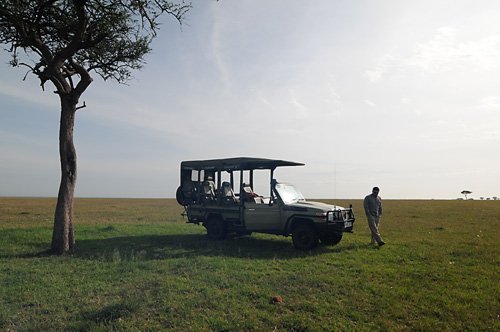
Marcia: Safari is a wilderness experience, but that doesn’t mean “roughing it.” You won’t be camping in small tents in sleeping bags and cooking over a gas stove. In fact, a safari can be one of the most luxurious lodging experiences you’ll ever have. What we actually sell is exclusivity more than luxury. We want to get you away from crowds so you can take all the time you want to follow that cheetah or leopard that your guide knows is looking for a meal. Great guides set you up to catch the action when it happens… not after everyone has found it for you! There is magic to waking to the sound of birds and a hot cup of coffee delivered to your tent, to savoring the silence as you watch the sun rise over the savannah, scanning the horizon for migrating wildebeest or a lion returning to her babies. That is the magic we want our clients to have.
Jamie: The safari camps we use are generally small (no more than 20 guests) and the walls of your room will be canvas. Some are simple, some grand. All have private bathrooms with hot water showers, flush toilets and electricity. All have central reception area for meals and lounging. Safari lodges are solid structures, though there is a broad spectrum of comfort levels and design from exclusive small lodges to large hotel-like properties. Safari lodges usually feature en-suite, plumbed showers and toilets, and large communal spaces including lounges, dining areas, reception and curio shops. Most will feature air-conditioning and a swimming pool and/or private plunge pools.
WIN: Are children allowed at safari lodges and, if so, what is the minimum age?
Marcia: Some safari camps and lodges do not take children under a certain age – often 12 years, while some safari activities are not suitable for younger children, such as walking safaris, gorilla and chimp trekking, canoeing or horse-riding – the age limits vary but can be as high as 16 years.
Jamie: Babysitting and nanny services are often available at lodges and camps, and certain guides are better equipped and trained for families.
WIN: Is English commonly spoken?
Jamie: Yes, a local dialect of the English language is spoken by several communities and individuals throughout Kenya and Tanzania. The guides and camp managers speak English fluently.
Cost and Travel
WIN: What tips do you have to make the long journey to Africa a little more bearable?
Marcia: Drink tons of water, stretch, and avoid alcohol and caffeine (sorry!). Pack a “survival kit” with eye mask, ear plugs, lotion, hand sanitizer, and toothbrush and toothpaste (SAA provides you with complimentary eye mask, toothbrush and tooth paste.) And Tylenol PM does seem to help me sleep better.
Jamie: Wear comfortable clothes with forgiving waistbands, socks for the journey through security, and layers like a scarf or jacket for extra warmth on the plane. Pack healthy snacks like almonds or apples; and Z-Pak to prevent sickness. And, books, iPod with podcasts and/or laptop with movies downloaded for entertainment (Wi-Fi is unreliable).
WIN: Bush planes are a common mode of internal transportation. Are they safe?
Marcia: Yes, bush planes are safe. Bush planes range from 6-seaters to 12-seaters. Seeing the pilot (and the pilot’s expression) is reassuring for many reticent fliers. By the end of your safari, you may even find yourself asking to sit up front with the pilot!
Jamie: I recommend lots of water and anti-motion sickness medication because the smaller planes tend to be bumpy.
WIN: How long does it take to get from the main airports to the safari lodges (on average)?
Jamie: It’s not common to arrive to the main (international) airport in Kenya or Tanzania and travel to the safari lodges the same day. We select the best lodges in the city or right outside – usually between 20-40 mins from the airport – for the overnight. The next day, you fly an hour or more to your final destination in the bush.
WIN: What are the different “levels” of safari lodges and what is the average cost of each?
Marcia: At Extraordinary Journeys, we like to categorize each property by “Accommodation Type” and “Travel Style.” Accommodation Type defines the kind of abode (i.e. safari lodge verses safari camp), while Travel Style refers to the particular tastes it would appeal to. There is a wide spectrum of different Travel Styles for each of these properties ranging from barefoot luxury camps to ultra-luxury lodges. Both are equally great, but the right match for you depends on your personal tastes.
Jamie: If you pushed me for a specific dollar amount, I’d say between $400 and $1500 per person, per day, depending on where you want to go. For instance, Botswana is extremely popular right now and it WILL cost you more, no matter who you book with. But the thing is, you could have a very similar experience, stay in the same quality lodges and see all the same animals for a fraction of the price in Tanzania. I still say that $500 a day per person is kind of the bare minimum for what is a once-in-a-lifetime experience for most people. Don’t get me wrong, you CAN get a mind-blowing safari at a reasonable price (you’d be surprised how creative we can get when it comes to getting maximum value for your money), but you do need a minimum daily budget to make it worth your while. Normally more money buys you more privacy and better guiding. The fancy lodge is just the icing on the cake.
Health and Safety
WIN: The most common question I get about going on safari is whether or not I am worried about my safety. I’m sure you are asked this question all the time. What do you tell people?
Marcia: No place in the world is totally “safe.” There is a pedestrian accident almost every day in New York, but I still happily walk and feel very safe. 100,000 people get shot in the US every year. I personally think (supported by statistics) that the camps and lodges in Kenya and Tanzania where we send our clients are as safe (if not more so) as anywhere in the U.S. If, for any reason, there is uncertainty, we would amend the program or cancel the safari. Animal attacks, snake and/or serious insect bites are extraordinarily rare.
WIN: The second most common question I get is about any health risks and whether or not I am concerned about getting sick. How do you put clients at ease when they ask you these questions?
Jamie: The properties where our clients stay boil the water and use best practices to minimize the risk of illness for nonnative travelers. If a client is sick, the lodges are well-equipped with medicine and first aid kits but it never hurts to pack smart. My biggest tip is to take the anti-malaria medication after dinner with a full stomach instead of in the morning. It’s a small thing, but once I started doing that, I stopped getting an upset stomach 4 or 5 days into the trip.
The CDC recommends:
- Antidiarrheal medication (for example, bismuth subsalicylate, loperamide)
- Decongestant, alone or in combination with antihistamine.
- Anti-motion sickness medication.
- Medicine for pain or fever (such as acetaminophen, aspirin, or ibuprofen)
- Cough suppressant/expectorant.
- Antifungal and antibacterial ointments or creams.
WIN: If something were to go wrong or someone were to fall ill, how long would it take to get to a hospital?
Jamie: Many lodges are remote; however, the Flying Doctor service is remarkable at providing emergency treatment instructions to local medical givers and for their emergency medical evacuations to Nairobi, where there are excellent medical facilities. In addition, we recommend that all our clients purchase travel insurance to include an emergency medical evacuation policy to pay for evacuation to the USA if needed.
Culture
WIN: Marcia, you lived in Kenya and raised your children there. Could you tell us a little bit about the culture? What are the people like? What are some traditions that may seem strange to an American visiting for the first time, but are common place in Kenya?
Marcia: Kenyans love children so raising babies there was very easy. I loved the small shops and markets where we bought our food, where I was addressed as Mama Eleana (Eleana is the name of my firstborn) as though I only got my true identity when I had a child. Wherever we went the children were given fruit (not candy ..hoorah). I loved the delight that Kenyan men took in children, their own and others .. something rare in the US at that time. I found Kenyan mothers to be quite strict with their children but rarely saw them strike their kids or raise their voices. I tried to emulate them but don’t think my children were as well behaved as most African kids. In the rural areas, I was amazed to see toddlers wandering amongst adults at night until they simply curled into a ball on the ground when ready to sleep and conked out. What a far cry from our schedules! Younger babies spend their lives wrapped on the back of their mother or sister or any available person over the age of 8.
WIN: Could you offer a few tips/guidelines on how to be respectful of the culture while there?
Marcia: I think the rules are the same regardless of where one travels. Dress modestly unless you are at the beach, don’t take pictures without permission (and you may be asked to pay for the privilege), don’t raise your voice (shouting is not acceptable). Kenyans are very prudish in speaking about sexual matters. Drivers have told me that they find our bawdy sense of humor and openness quite shocking. They are also shocked by public displays of affection between people of opposite sexes. On the other hand, Maasai men touch each other affectionately quite a lot and it is common to see women or men holding hands. Beyond that I think the Golden Rule will serve you well.
Extras
WIN: As an Africa expert and luxury safari outfitter, what is the coolest/craziest thing you have put together for a client?
Marcia: One of my super wonderful clients visited the Serengeti then chartered a plane to visit a village in the middle of nowhere where he had contributed a large amount of money as part of project to create a model village. From there the family went to fabulous safari camps in Botswana and ended in Cape Town where parachuting, hang gliding and flying in a fighter plane were on the menu. It was a wonderful combination of giving back, and indulgence. Another great one was a client who went on a four-day trek with Maasai in a remote part of the Loita Hills. They pretty much ate off the land, getting meals from local Maasai, and killing small animals with a spear. He had the most authentic cultural experience of any of our clients and ended up loving his guides and profoundly respecting them. He also saw some amazing scenery and got a terrific trek.
Jamie: This isn’t particularly crazy, but I had a client who was really interested in culture so I made sure to include a stop in Northern Kenya in their itinerary to a property called Sarara. From the camp, your guide will take you on a walk (about an hour) to the Singing Wells where the local Samburu bring their cattle daily to drink. Each family owns one well and they sing to their livestock as they bring water up and the cows recognize their family song and come down to their well to be watered. People sometimes get wrapped up in doing the extreme and often overlook the quiet almost spiritual experiences you can have in Africa.
WIN: What has been your most memorable safari experience to date?
Marcia: Spear fishing on Lake Turkana with the local fishermen, piloting my plane across the Mara and Serengeti reserves, seeing gorillas in Uganda, Rwanda and DRC, watching the perfect cheetah hunt at Governor’s Camp in the Mara (some days the gods of game deliver perfection and that day was one of them). Camel back in Likipia was terrific as was sleeping in a star bed there.
Jamie: Hands down, driving quad bikes across the Makgadikgadi Salt Pans of Botswana. The enormity of the Pans is mind-blowing. Where else can you see the bend of the Earth on the horizon and be disoriented by true utter silence. At the end of the day, we were surprised by sundowner drinks and watched the magenta sun set over the same horizon as the fire crackled.
WIN: Can you explain the inexplicable feeling people often have after time in the bush; those African footprints on the heart?
Marcia: Richard Leakey wonders if it is the DNA from Africa that we all carry that gives many of us the feeling that we have “come home.” It is also the place where we let go of the trappings of modern civilization and reconnect to nature and the rhythm of our senses and the simple wonder of the amazing world that we live in.
Jamie: Africa is a destination that envelopes your mind, body and spirit. Most recently, one of my clients was so affected that when she returned from safari, she pulled up her lifelong roots in Connecticut and moved to Florida-something she’d always wanted to but found excuses until that moment not to. That first breath of air when you step off the plane in East Africa is indescribable until you do it. There is nothing more magical.
WIN: Marcia and Jamie, I can’t thank you enough for taking the time to share your knowledge on Africa and how to start planning.
Extraordinary Journey’s website is a great resource. Have a look here. And, be sure to check out their blog posts, as well.
I have a few extra tips that I have learned along the way:
- Pre-treat clothes- you can find a pre-treat solution, to prevent insect bites, at many outdoor stores like REI
- Avon- skin so soft is one of the few sprays/solutions to prevent Tse Tse fly bites
- Rent a lens. The only time I need a high quality room lens is on safari so, I rent a lens and it’s perfect! There are several options out there, but I use Borrowlenses.com
- Small bills for tips- U.S. currency is accepted and often preferred. Safari Experts, like Extraordinary Journeys, will help you with exact amounts. When Extraordinary Journeys sent me our final itinerary, they included how much we should tip each person, each day, per person. Such a nice touch!
- Bring things to donate- If you’re visiting a school or village, or even if you’re not, find out if there are any donations you can bring. We’ve brought school supplies, like notebooks and pencils, toothbrushes and toothpaste and socks, all depending on need. We also do a closet clean out before we go. Often times, we pack items that we are ready to donate, get one final wear out of them on safari, and then leave them behind for a donation
- Brush up on the history as well as current events. Don’t rely on the media
- Bush planes are very specific and strict on luggage restrictions. Make sure you know what they are and know that you will have to use a duffel bag
- Prepare yourself to just “go with the flow”. Be flexible
Do you have any safari tips? Any questions? As always, I want to hear from you!
The post Safari Planning A-Z first appeared on When is Now.]]>There have been some changes since I first posted about this trip, but the biggest news is that I was able to rope in a friend and fellow travel loving, adventure seeking, triathlete, Marisa, to join me in Southeast Asia.
The planning has been intensive and some of the details have only recently been finalized. We had to get creative with some logistics as infrastructure isn’t great in many of the countries we are visiting. But in the end, we have created an itinerary with the perfect mix of luxury, adventure and culture. It’s perfect and I am ecstatic to share it with you.
In addition to fantastic experiences, you can expect to see coverage of premium flight cabins and luxe hotels.
So, here it is. Round the World Phase I:
Stop 1: London
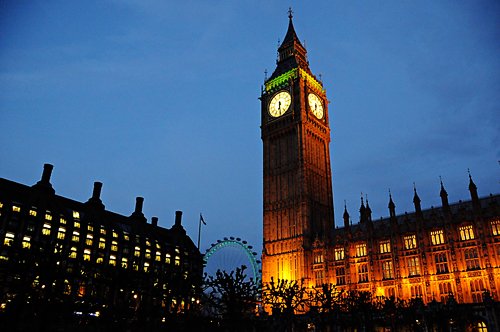
Spending a couple of days in London is always a great way to break up the flight from San Diego to Africa. It takes two long flights to get to that side of the world from San Diego. The flight to London is just under eleven hours and the flight from London to Nairobi is just under nine hours. So, although doable in back to back flights, if you have the time, breaking it up is a great way to adjust to the time change and to add a fun stop. Eddie has taken charge of planning London, but what I am looking forward to most is seeing London dazzle, all dressed up in holiday lights. And, stopping by a Christmas Market or two. Or five.
Stop 2: Africa
This is where we leave winter for summer. For the Africa section of this trip, we got to work with the stellar safari experts, Extraordinary Journeys. We typically use tour operators to help with travels to Africa (and highly recommend doing this) and, I can easily say that Extraordinary Journeys has been the best we have worked with. Not only for their knowledge, but for their amazing customer service. They booked our lodging, arranged our internal flights, escorts through the airports, airport transfers and a guide to take us around Nairobi.
They also found an amazing hotel for us in Nairobi that I am really looking forward to. It is called OneFortyEight and it is brand new! They opened their doors less than two weeks ago and the images of the property are just stunning.
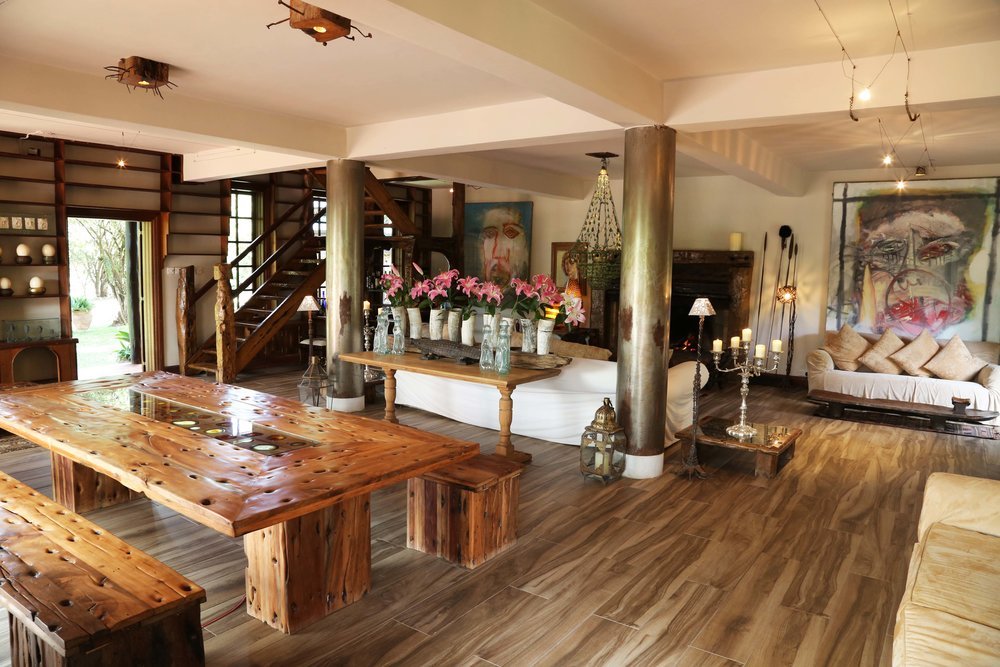 Photo courtesy of OneFortyEight Hotel
They are set right outside of the city and adjacent to the Giraffe Sanctuary. We will be visiting the Giraffe Sanctuary and another incredibly special place. I am going to keep this one secret but, it is a place that has been near and dear to my heart for a very long time and I feel so privileged to be able to visit.
After a couple of days in Nairobi, we head to Pemba Island, which is part of the Zanzibar Archipelago off the coast of Tanzania.
Then, after a few days of relaxing at a dreamy little secluded spot on the Indian Ocean, we make our way to our safari.
We are returning to a place that fills my soul with light and life: the Northern Serengeti. We will be staying at the beautiful Lamai Serengeti, tucked perfectly into a Kopje, overlooking the rolling grassland of the northern Serengeti.
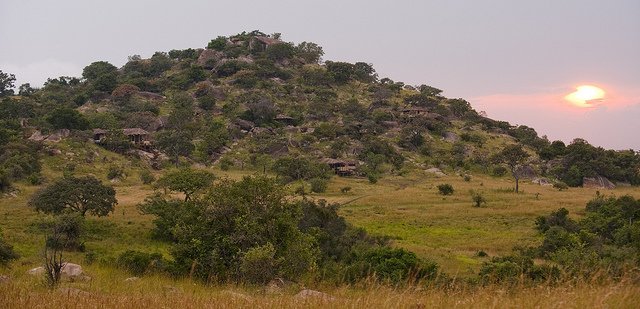 Photo Courtesy of Nomad Tanzania
Here, we will enjoy morning and evening game drives with some relaxation in between. I cannot wait for the humbling feeling while in the presence of a majestic lion, watching a massive elephant move gracefully through the grass, sundowners in the bush and the evening orchestra of hyenas calling, lions roaring and the hum of wildebeest.
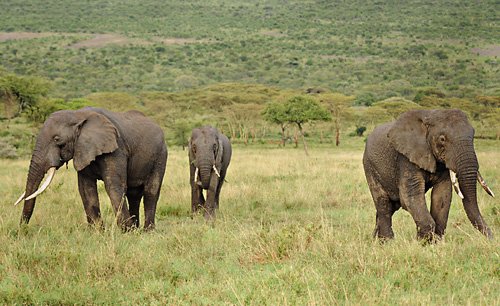
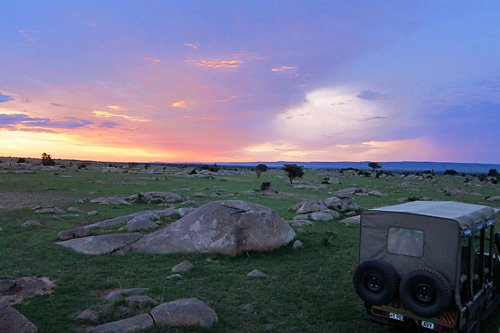
We will have a few days of safari and then we depart (with me in tears) for Maputo, Mozambique. That is where the Round the World ticket begins. From there, we fly to Singapore with a quick stopover in Doha. The aviation nerd in me is hoping for enough time during our layover to explore the 10,000 square meter Al Mourjan lounge in Doha’s brand new airport, complete with a pond, two restaurants and a game room.
Stop 3: Singapore
After a couple of long flights, we arrive in Singapore in the afternoon. I’ve left the planning to Eddie, but this is where we do some eating. Singapore is known to have some great food options, with hawker stalls being a major draw. Of course we will do more than eat, but I’m pretty excited to try out the different foods. The other thing I am excited about is that we get to check out another new hotel. Designed by Philipe Starck, it looks like an interesting blend of contemporary luxury with a touch of quirkiness.
The one thing that I am not looking forward to with this trip is parting ways with my favorite person to travel with. My favorite person to be with. I know the next couple of weeks will be fantastic, but it will be hard to say goodbye to Eddie.
Stop 4: Vietnam
As Eddie makes his way home, I’ll make my way to Hanoi. I’ll arrive in the early evening and Marisa will arrive late the same night. We’ll have the next day to explore Hanoi before heading to Halong Bay to overnight on a Junk Boat. This “Junk Boat” is sheer luxury. We’ll be sailing with Heritage-Line’s “Violet”.
 Photo courtesy of Heritage-Line
As far as junk boats go, this one is small, intimate and one of the best. We will sail through Halong Bay, enjoy some amazing food, top notch service and a few excursions before returning to Hanoi for our flight to …
Stop 5: Laos
We will spend the night in Luang Prabang and wake early the next morning to begin three days of trekking through Laos. We’ll explore villages, lunch at waterfalls and just be bodies in motion. After trekking we will spend a couple of more nights in charming Luang Prabang.
Stop 6: Thailand
On our way to the beaches, we are going to have an extended, overnight layover in Bangkok. The last time Eddie and I visited Thailand, we had to skip Bangkok due to anti-government protests that disrupted the country’s capital, so I am looking forward to spending a little bit of time there!
Then, we will spend four days enjoying Thailand’s beaches, which are some of the most beautiful in the world. We will be staying at a lovely boutique resort right on the beach. I’m keeping this part secret, so you’ll just have to follow along to see where it is.
Stop 7: Cambodia
Our final stop is Cambodia. We planned all of Southeast Asia around this one stop as we will be doing a cycling tour here! We will spend four days exploring Cambodia by bike with Grasshopper Adventures. We will begin our first day by watching the sunrise over Angkor Wat. Then, we will spend the rest of the afternoon exploring the temples in the massive temple complex by bike before departing the next day for three days of cycling through Cambodia’s countryside, complete with a ride on a bamboo train and a visit to floating villages.
 Photo courtesy of Grasshopper Adventures
Another exciting aspect is that I will be taking over Coeur Sports Facebook for some live updates along the way, so be sure to follow Coeur on Facebook.
After our cycling tour, we’ll spend our final night in Ho Chi Minh City before departing the next morning for home. We won’t have much time there, so Marisa is suggesting we just stay up all night and sleep when we get on the plane. I’m a big fan of that idea.
That’s the itinerary for Phase I! The photographer in me is beaming with the thought of the images I’ll have the opportunity to capture, the adventure seeker in me is pulsating with the amount of off the beaten path exploration included. The inquisitive me is salivating at the thought of all of the culture and life I’ll be able to experience and soak up.
Travel undeniably changes you and I can’t wait to discover new parts of myself through discovering new parts of the world.
I hope you join me for this wild ride!
The best ways to stay up to date are via When Is Now’s Instagram and Facebook. There will be reviews and other write-ups once we return.
As always, I’d love to know your questions and/or input on any of these areas!
The post Chasing Time: Round the World Phase I Itinerary first appeared on When is Now.]]>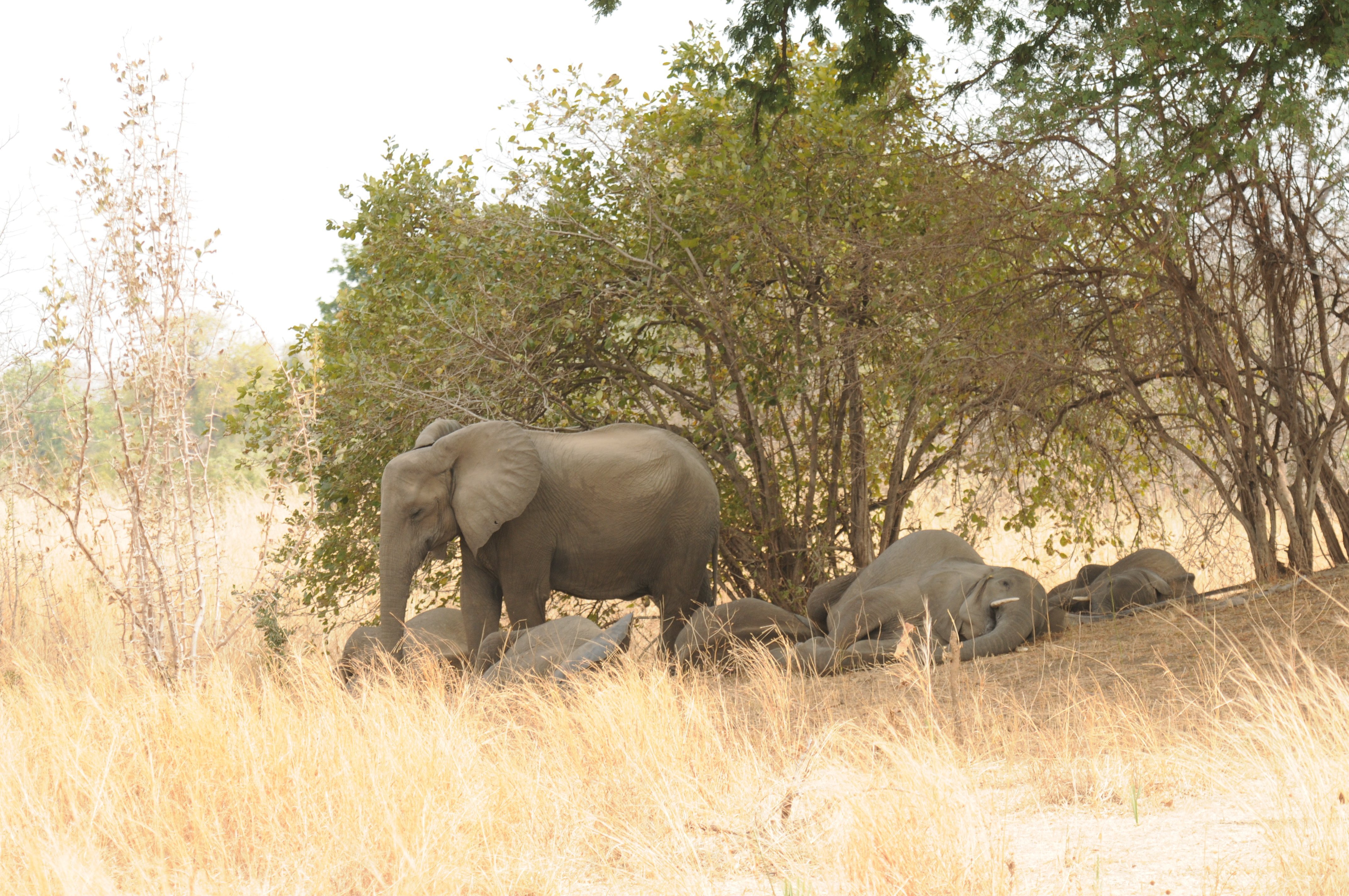
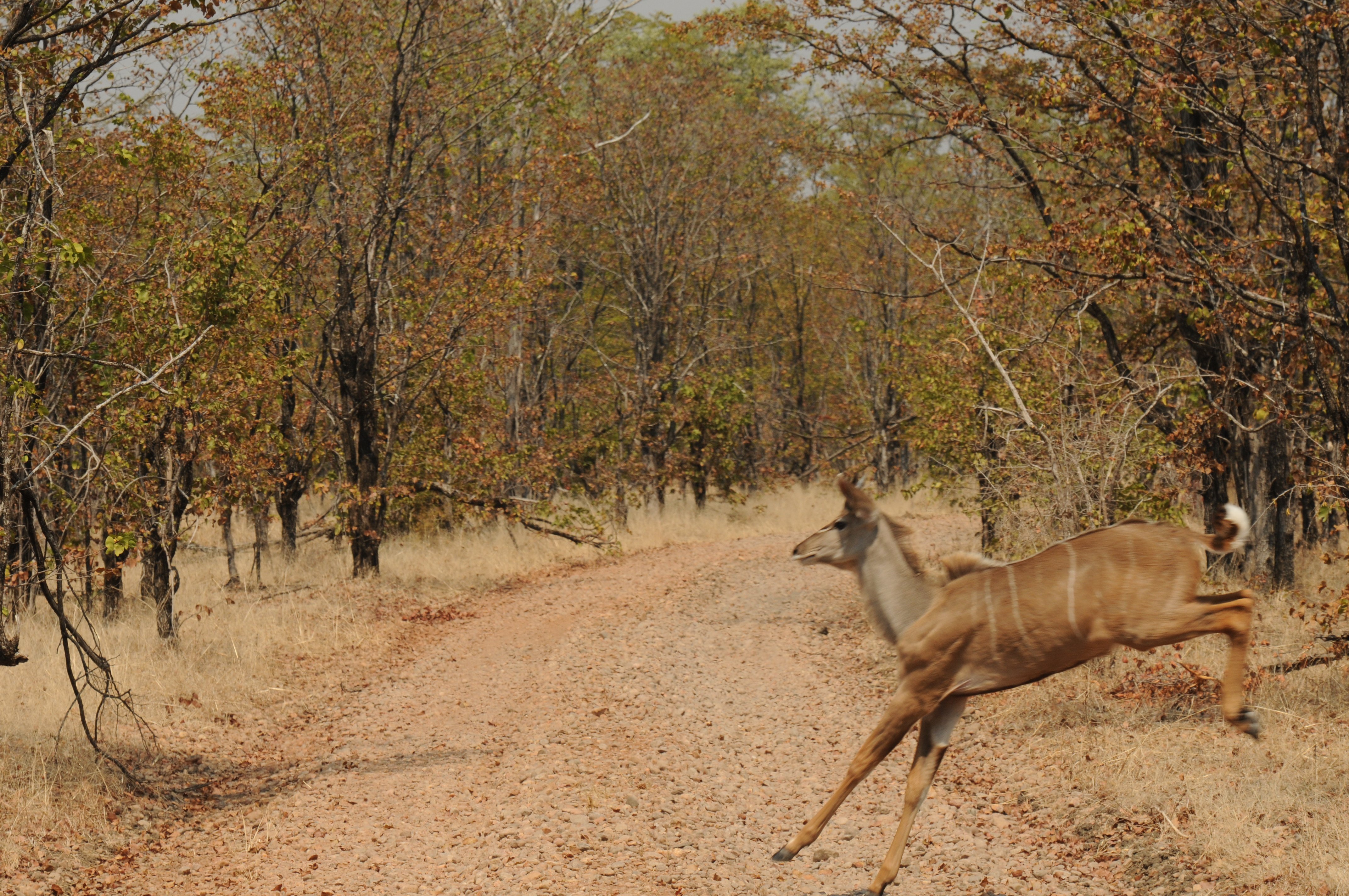
We arrived at our camp, Kapamba, at around 2:00 and I immediately realized that Kapamba must be heaven on earth.
We were greeted by Ian, the camp manager, and a few others on his team. our bags were sorted to each of our rooms and we went straight to lunch.
Hidden deep in the bush and right on the Kapamba River, this camp is the ultimate in intimacy and understated luxury. The main area, where all of the dining and lounging takes place, is open air and looks over the very shallow Kapamba river. The great thing about the Kapamba river is that it is too shallow for crocodiles and hippos. You’ll realize why this is “great” as you read on.
All of the Bush Camps are quite small. Kapamba only has four rooms, so the Magnificent Seven took over for the two nights we were there. The rooms are stunning. They are all aligned on the river and you have a view of the river from wherever you are and whatever you are doing. The side facing the river has no wall; Just an iron gate that you close at night to keep the animals out. The tub is massive. It is the size of a six person Jacuzzi and so large that someone from the camp has to come fill it for you.
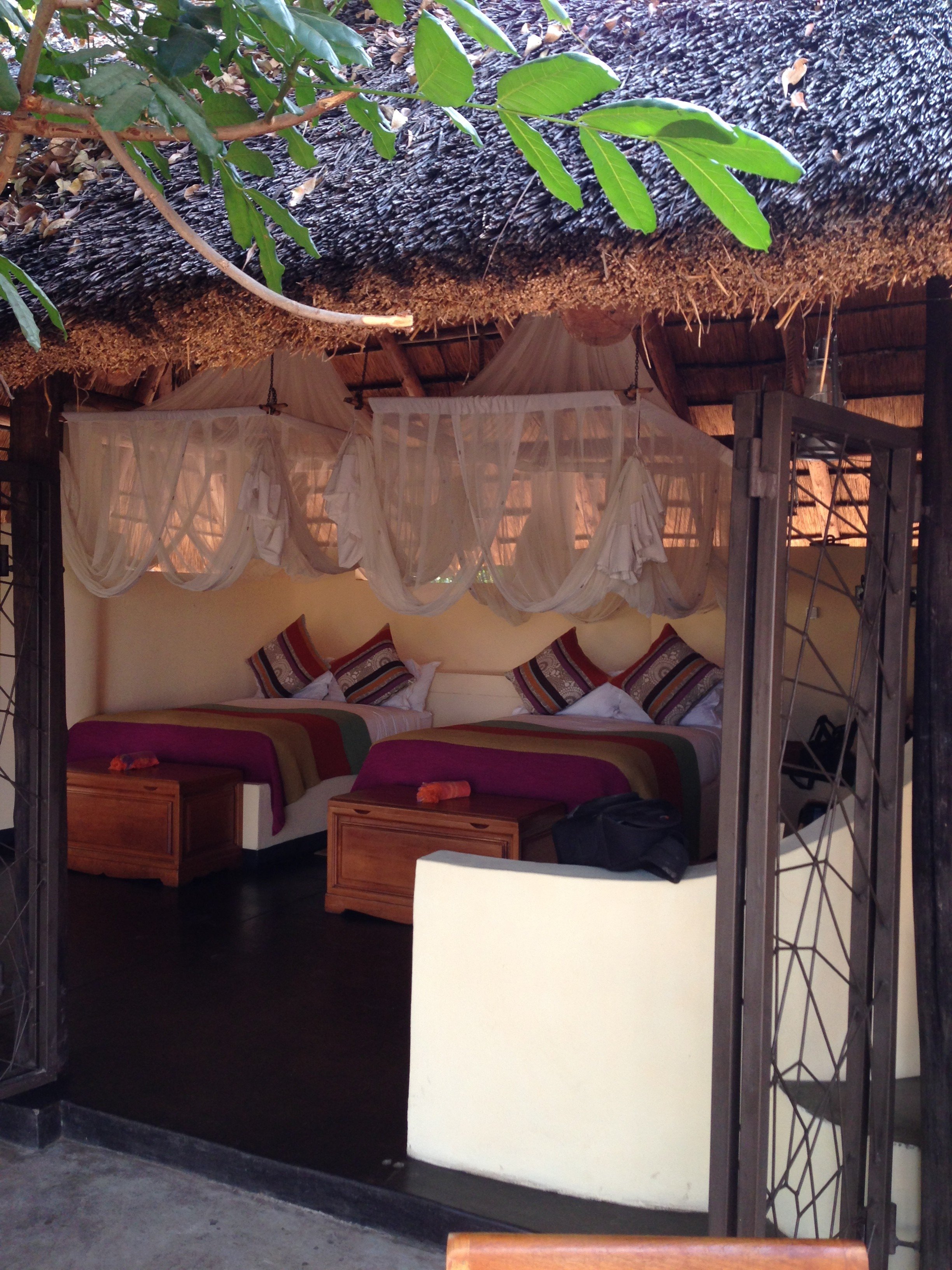
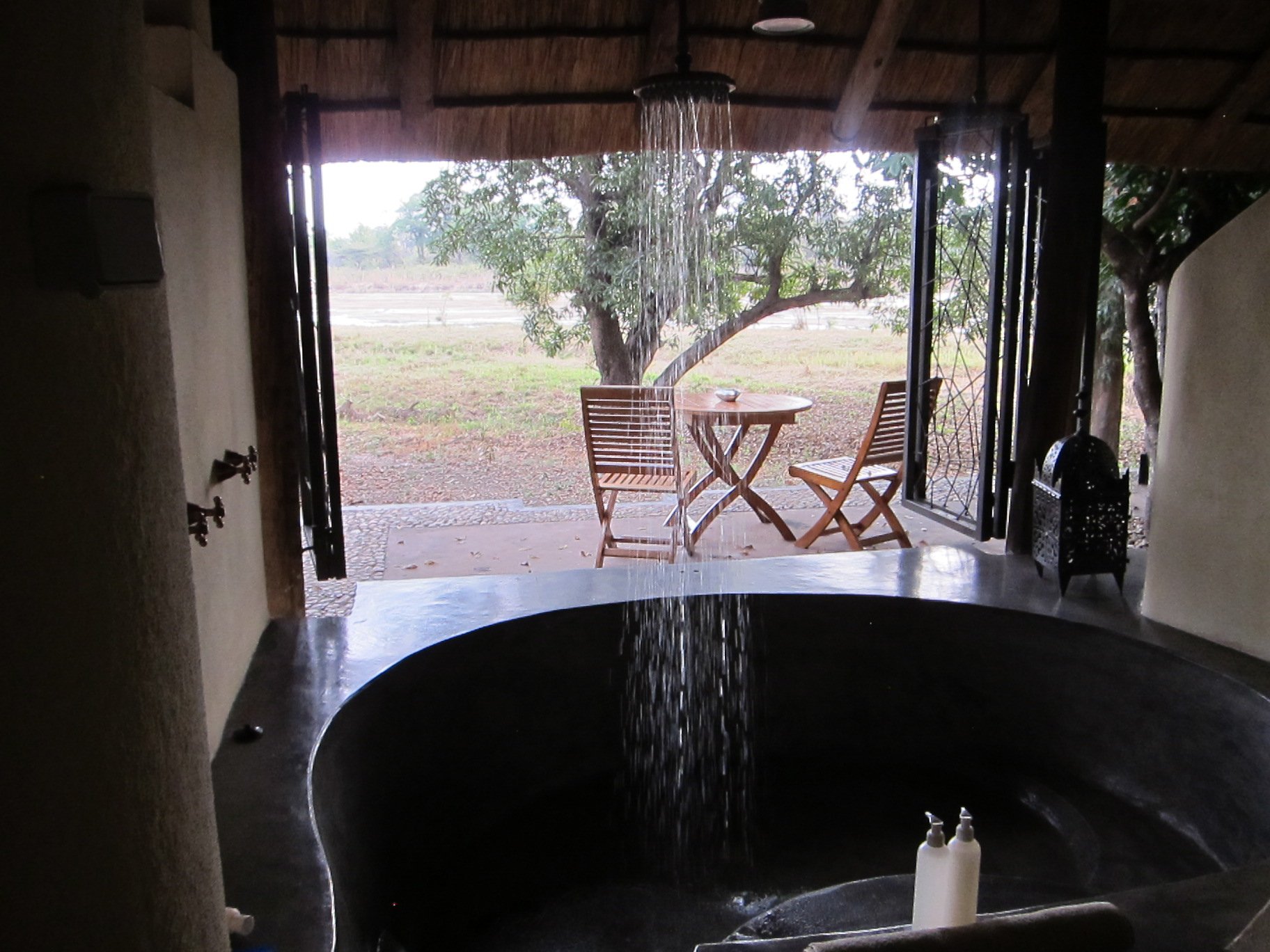
After lunch, we had a little while to rest up and then we went out on our evening game drive. We had a lovely sundowner and some great sightings.
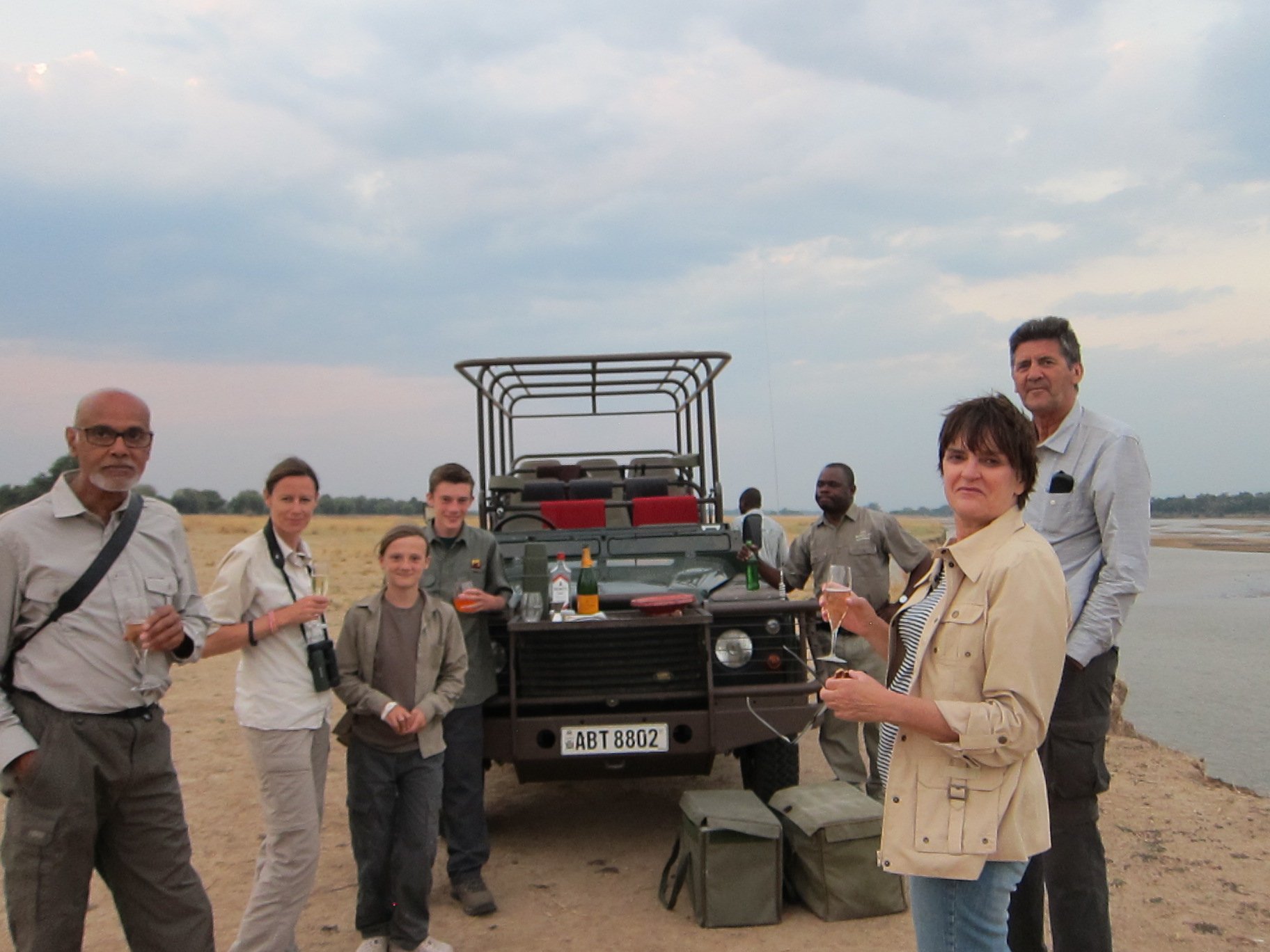
The next morning, Mishek took us on a walking safari, which was great! A walking safari gives you a whole new perspective of the landscape around you. You are out of a vehicle and close to the ground. We saw porcupine quills, various footprints, termite mounds, interesting plants and elephants. What an experience to see an elephant as you are on foot! As our walking safari ended, we were surprised with an incredible bush breakfast right on the South Luangwa River. The food was delicious, the company was perfect and the sound of the hippos in the river behind us topped it all off.
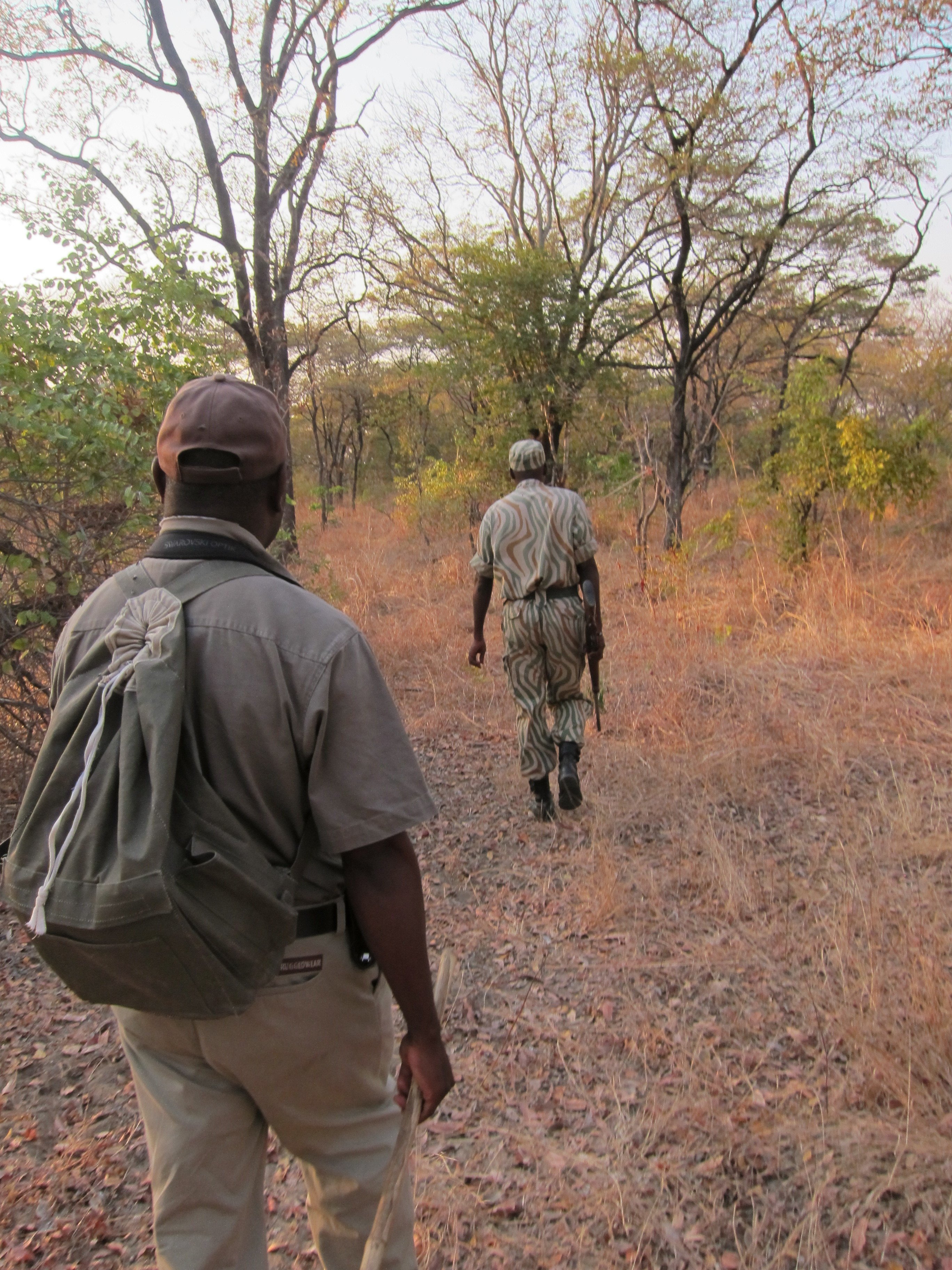
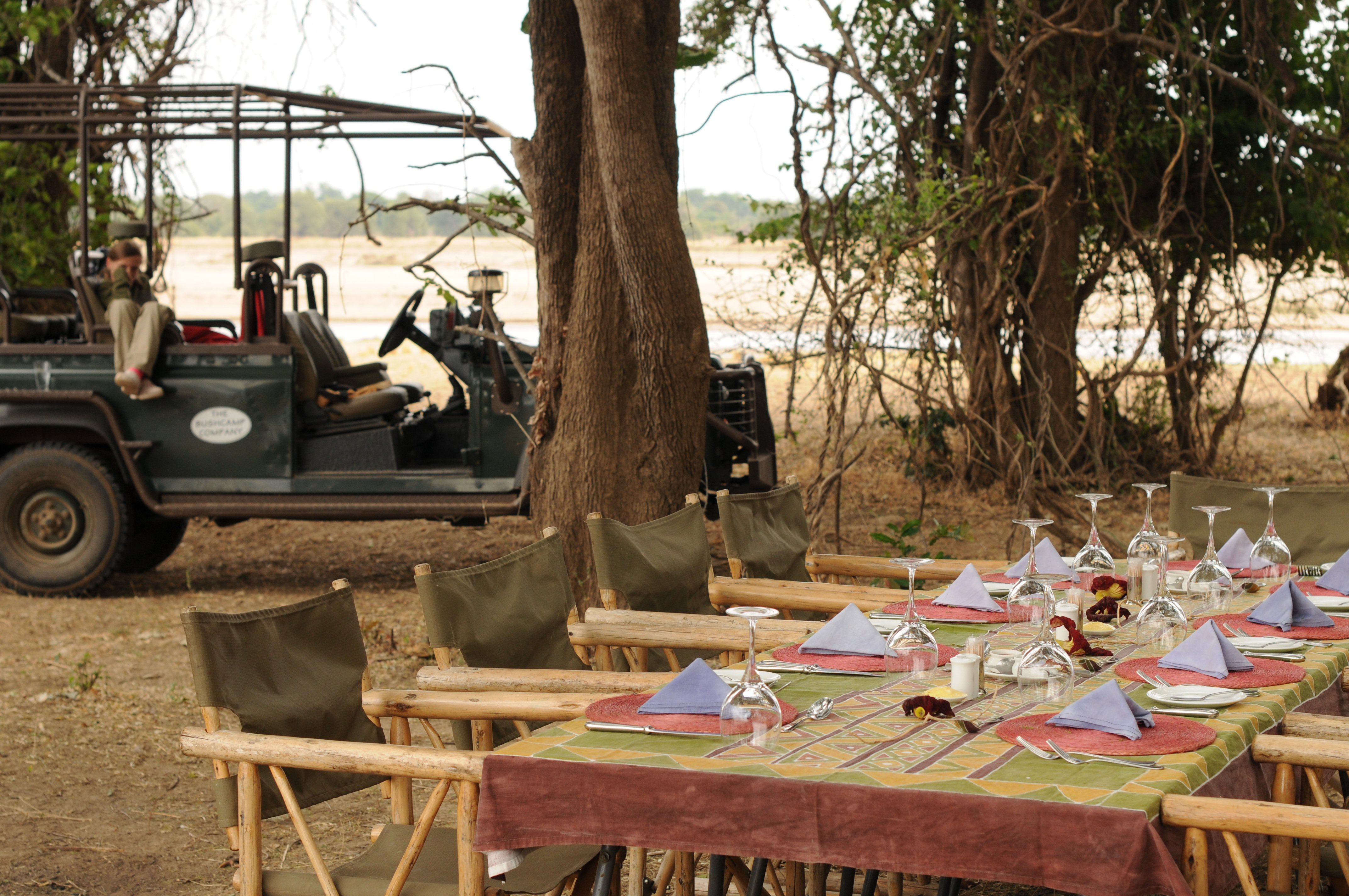
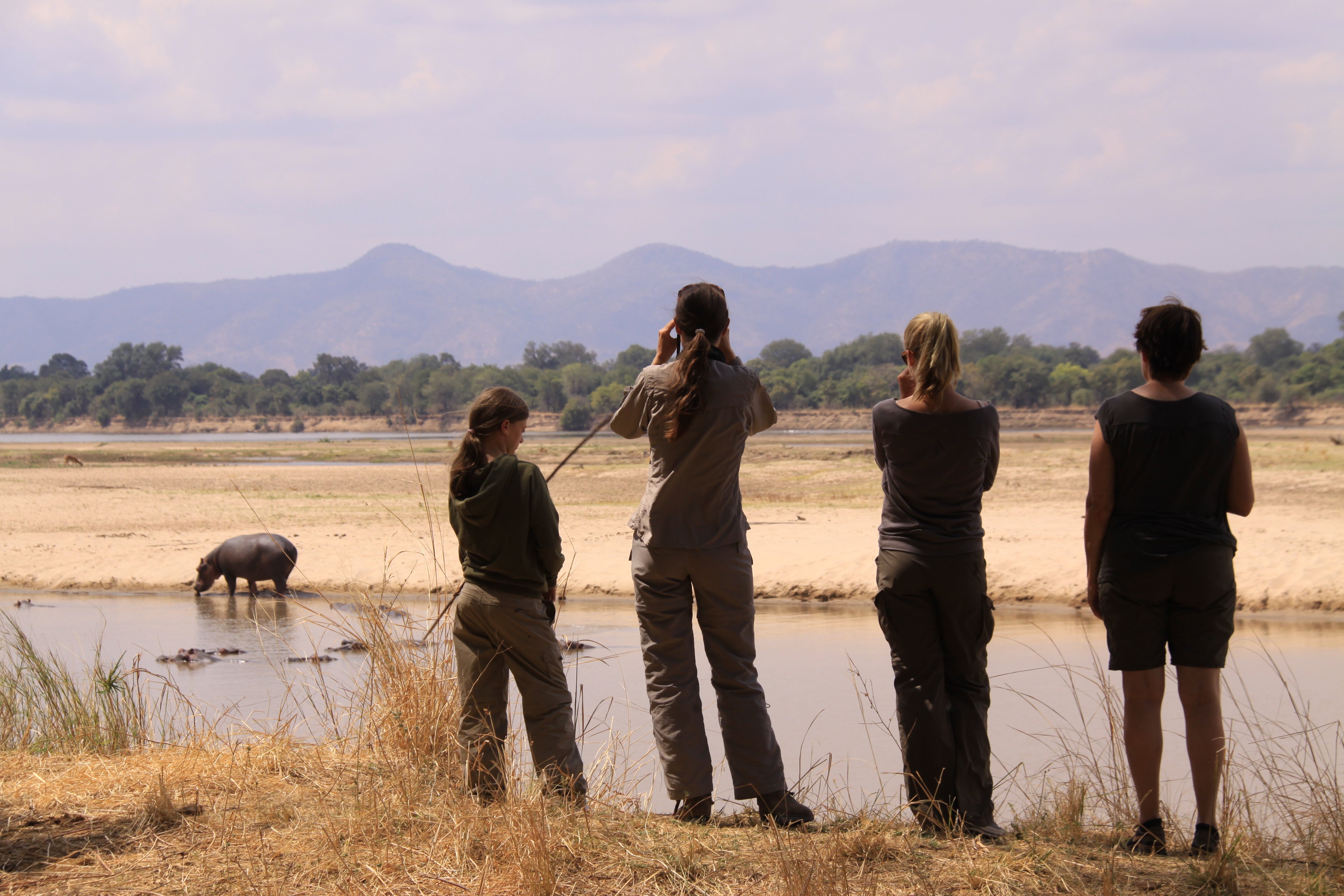
As we were driving back to camp, we noticed a family of elephants taking a mud bath in the river. We stopped and watched them for quite a while. These are my favorite safari experiences: taking a moment to just “be” with the animals. To watch them, to listen to them and be part of their world for a moment. To me, this is much more valuable than rushing from sighting to sighting just so you can say you have seen the “big five”.
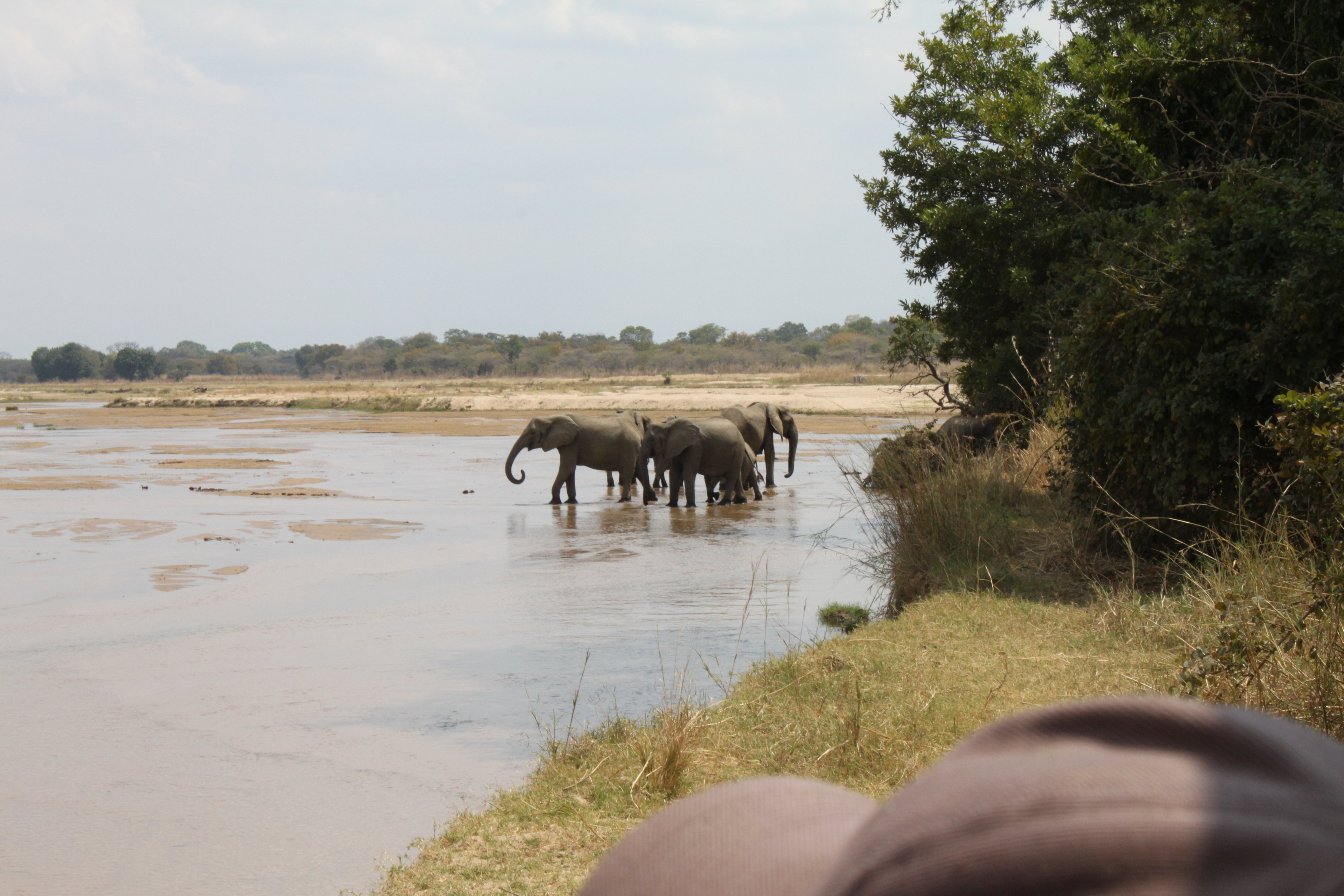
This family was particularly pleasant to watch. They were taking a mud bath in the Kapamba and quite playful. We saw a very young baby, who hadn’t learned how to use her trunk, drink from the river by mouth. As some would bath, others would rest their massive heads on the edge of the river bank. Once they noticed us, they paraded out of the river, one-by-one, several of them giving us a little mock charge as they walked by. Before disappearing into the bush, one of the them put on quite a show as she pulled up mounds of red dirt with her tusk and flipped it onto her back. A little ele sunblock.
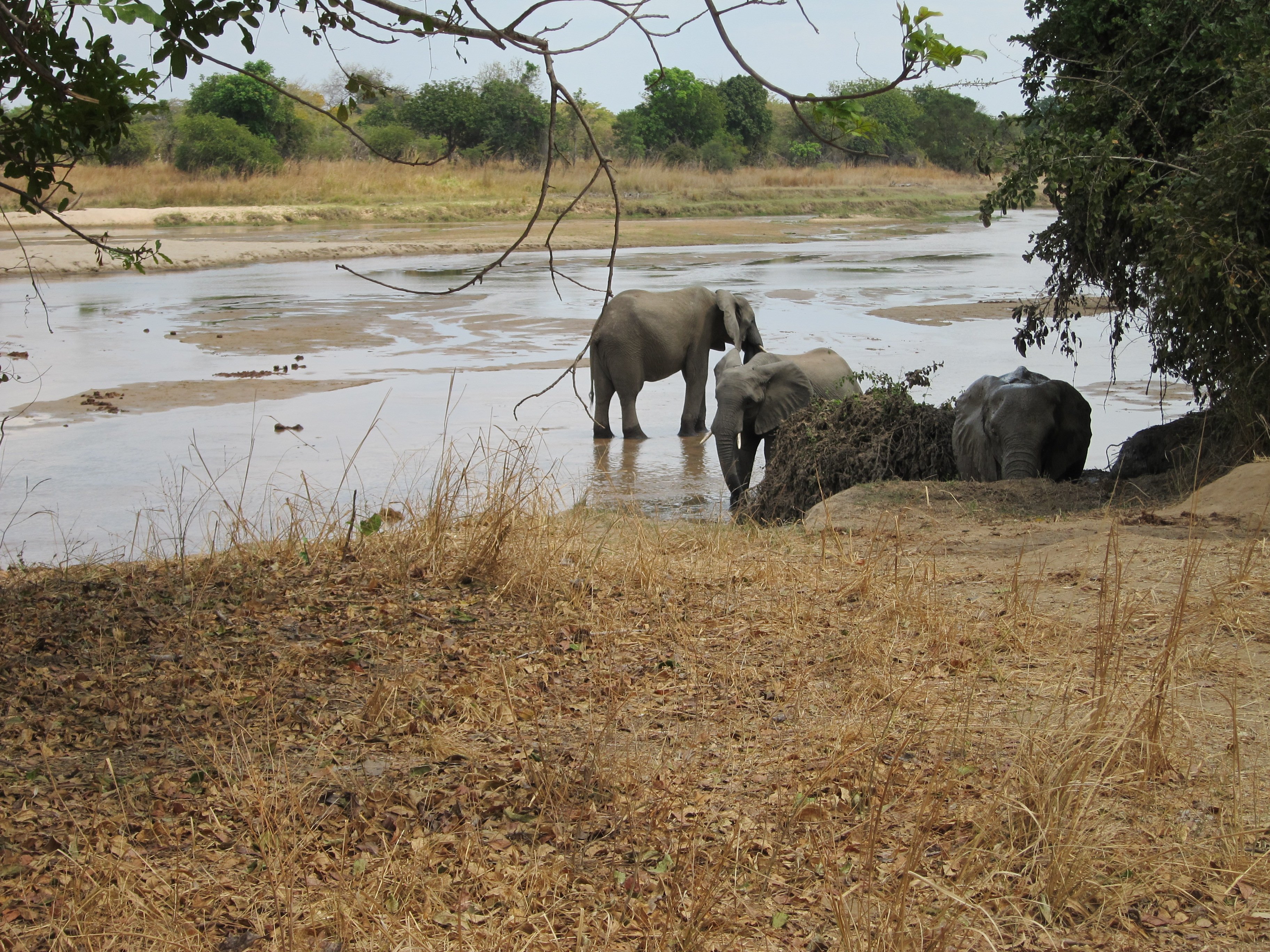
We returned to the lodge and made our way to the river. We grabbed a bottle of wine, some beers and some chairs and relaxed, laughed and watched the kids race all while sitting in that shallow Kapamba river. It was fantastic.
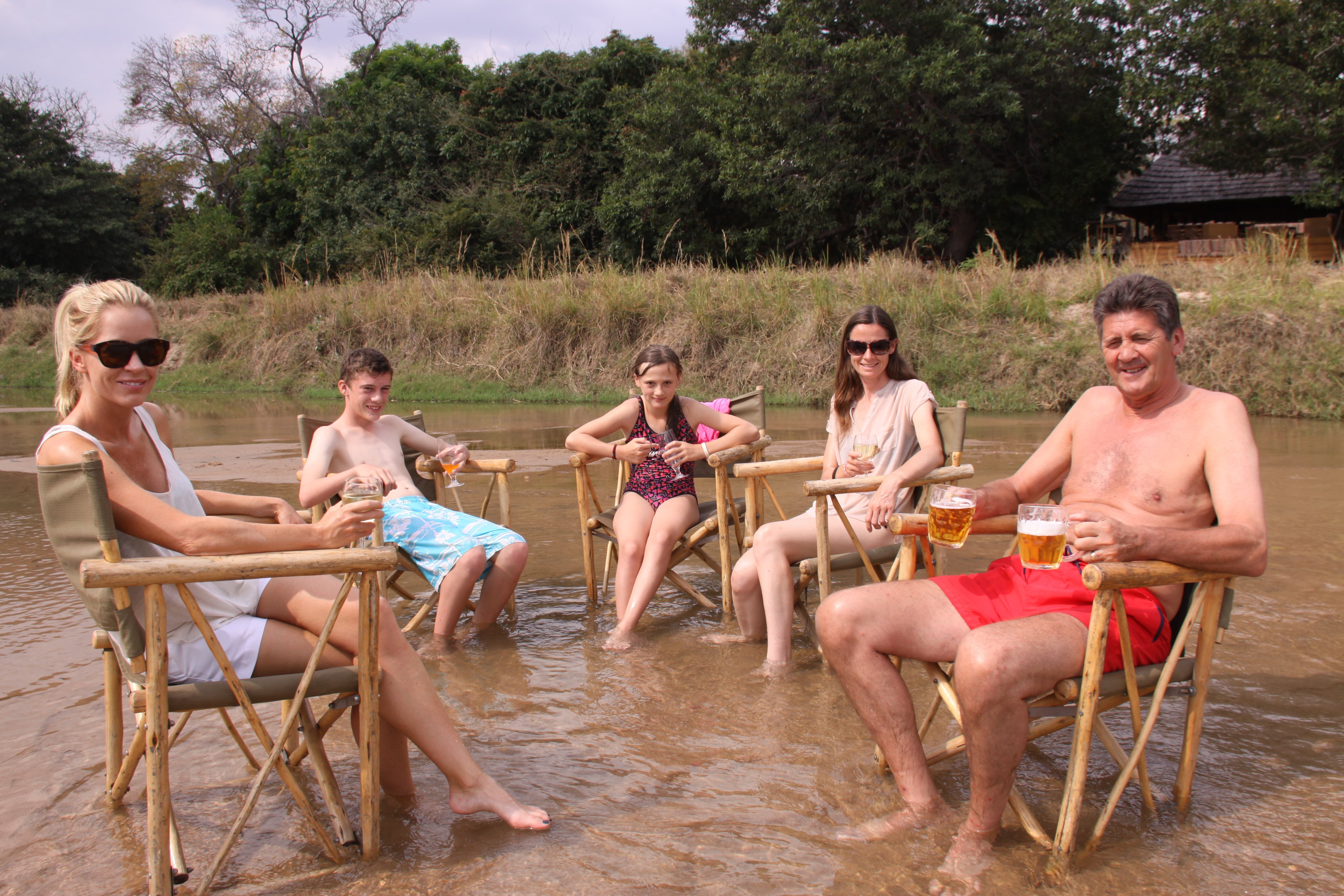
Before long, it was time to shower (with a view of eles in the river) and head out for our last evening game drive.
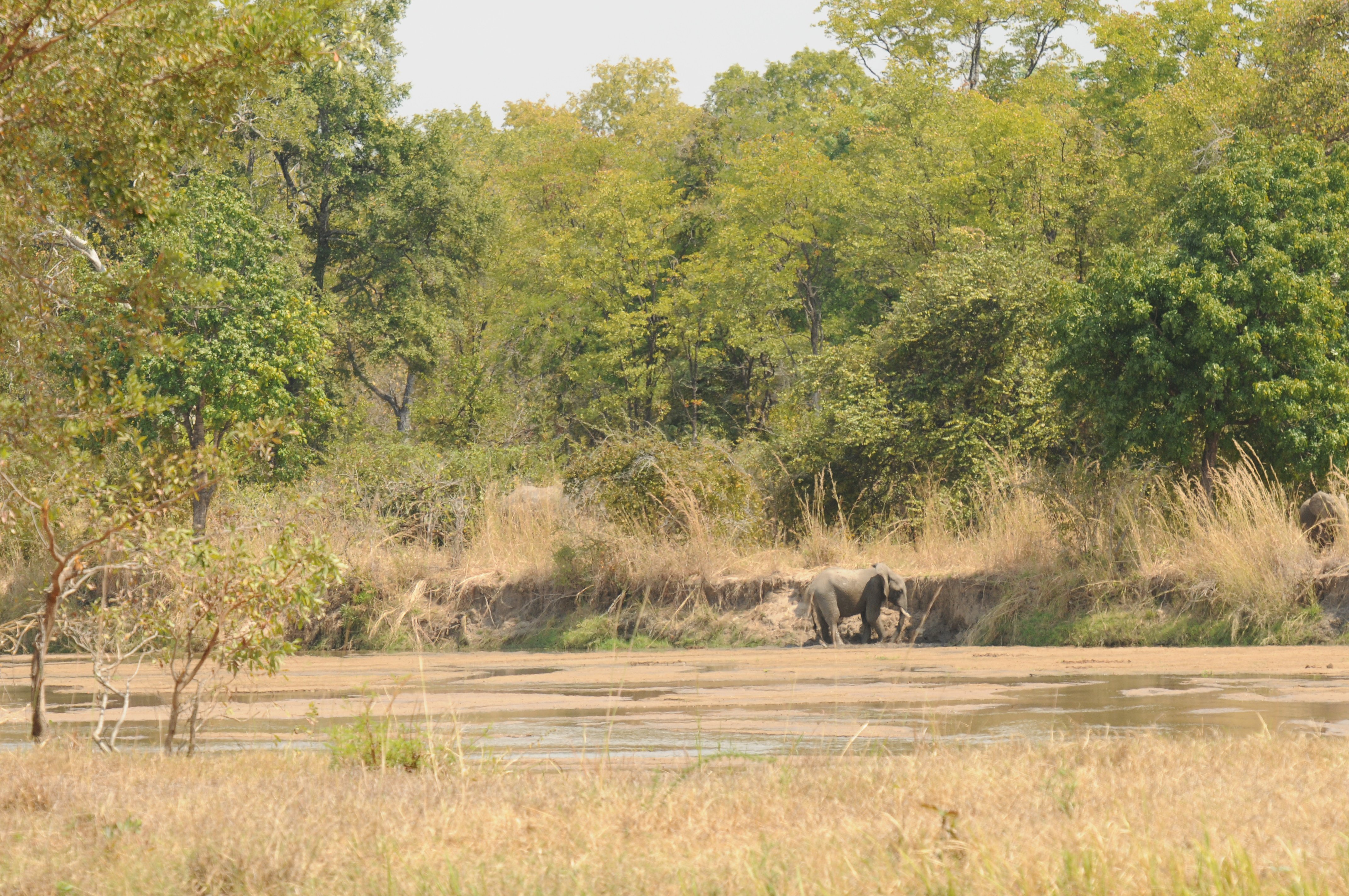
We drove out to the same spot where we saw the elephants taking their mud bath earlier in the day. It was funny to see the huge hole they left from rolling around. I wasn’t paying much attention as the vehicle came to a stop, but when I looked up I quickly realized two things:
1. We weren’t going to find animals
2. This was going to be a spectacular and unforgettable sundowner
There was a row of chairs set up for us in the river and facing towards the sunset. There were lanterns around the chairs and a small table set up with snacks and cocktails. It was stunning. We kicked off our shoes, made our way into the river and were greeted by Ian and staff as if we had just walked into a five star restaurant. We popped open one of our last bottles of Veuve and toasted to a spectacular trip. It was such a lovely evening and I will never forget it.
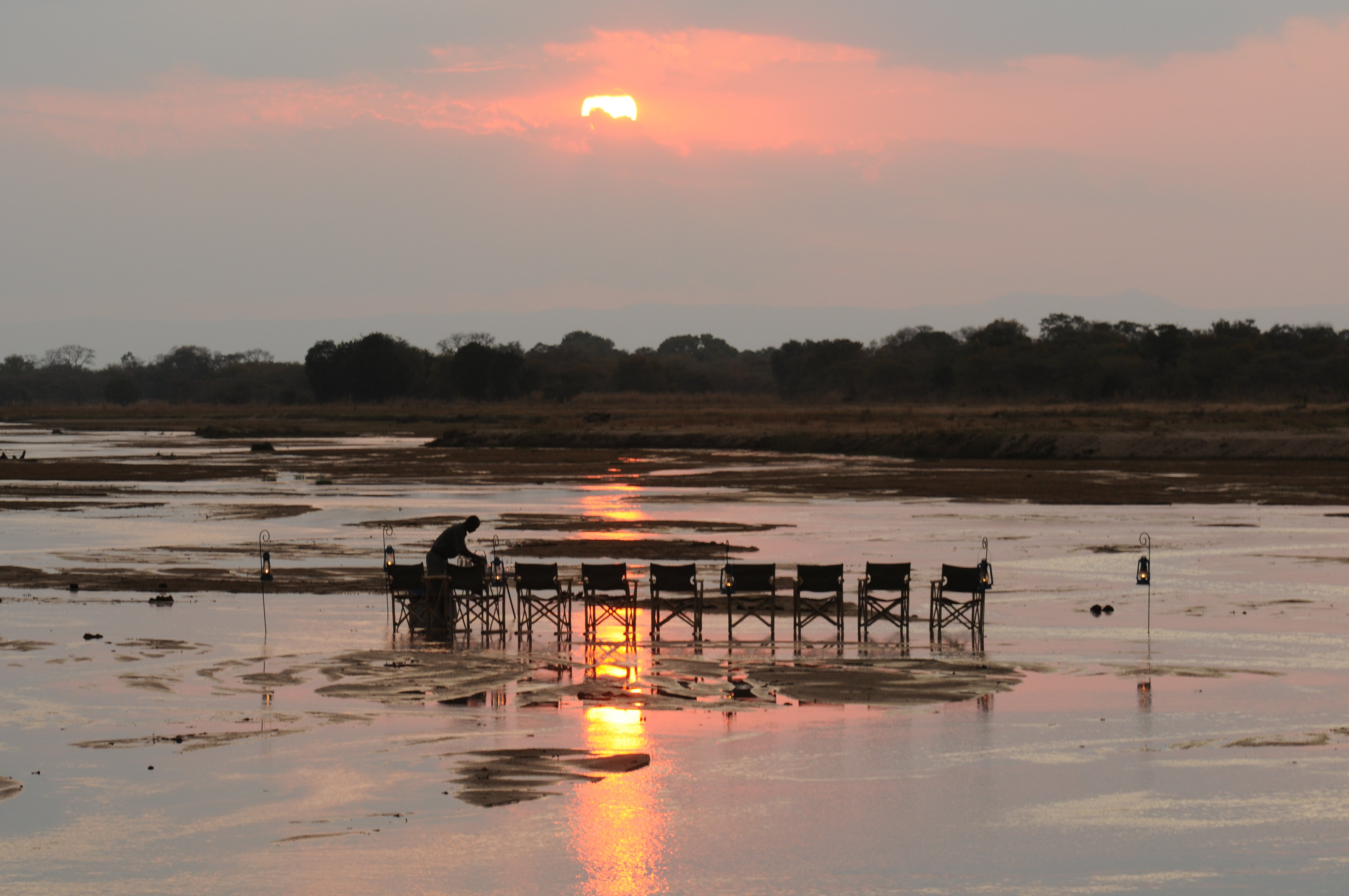
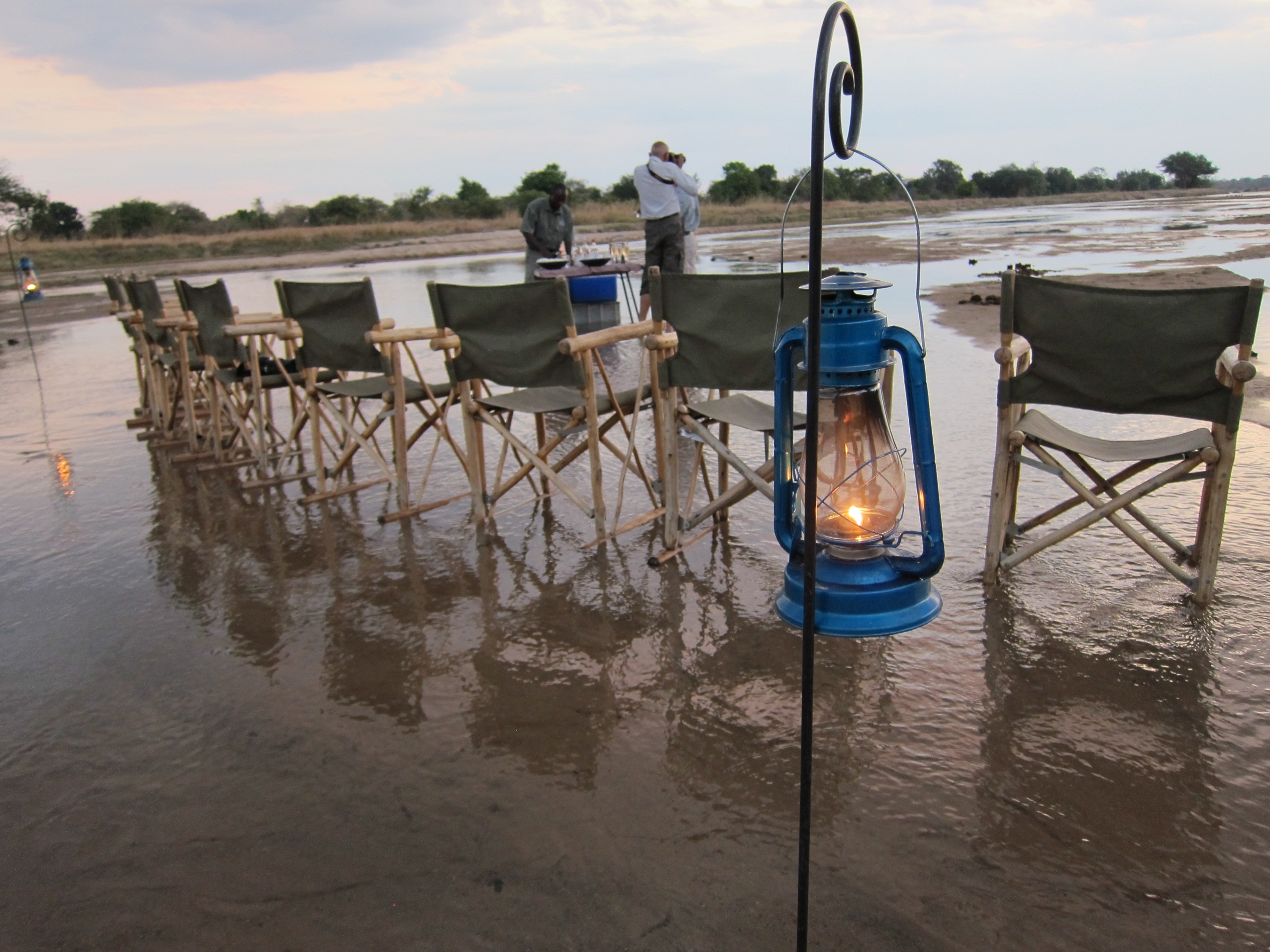
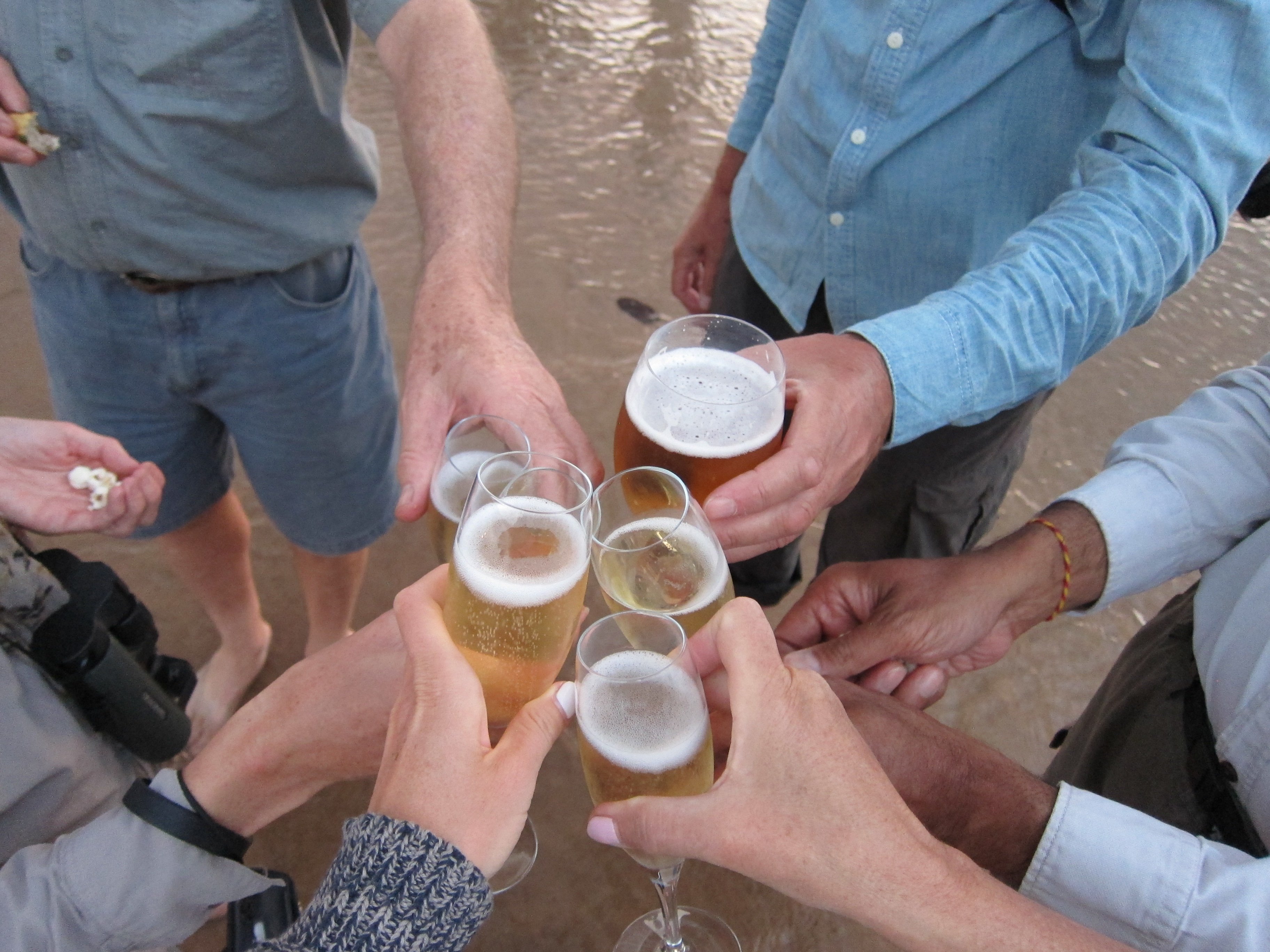
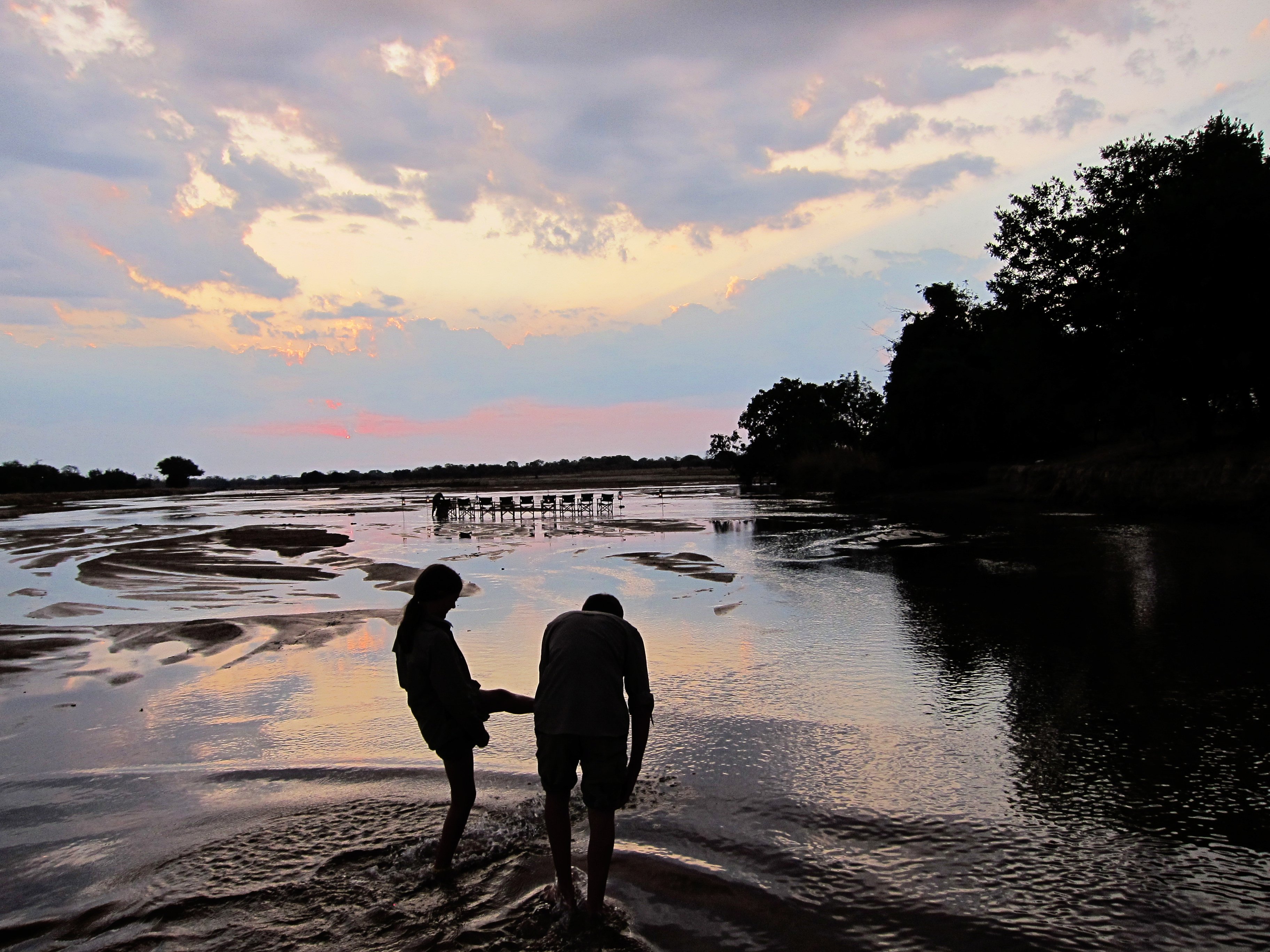
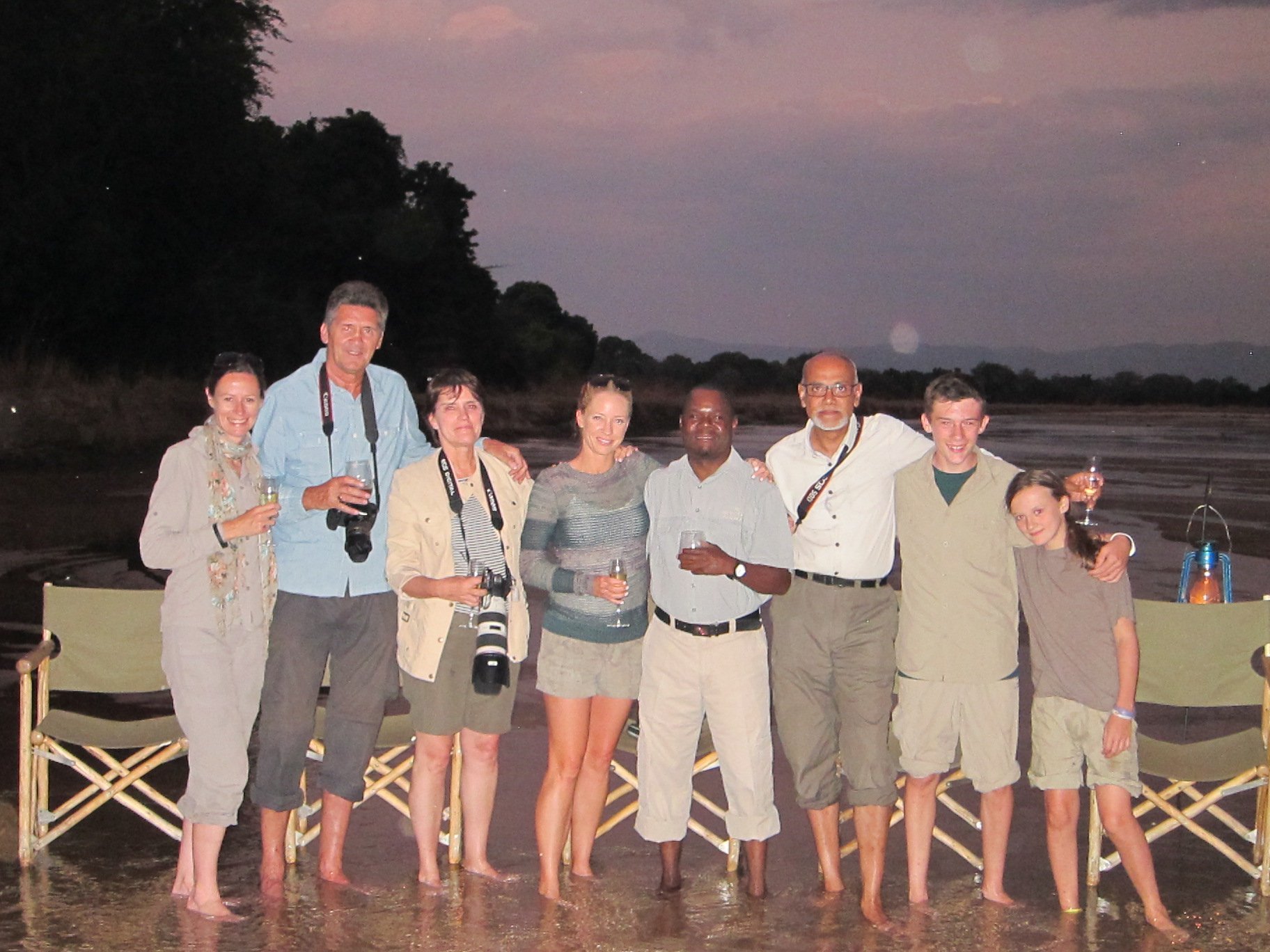
We did see a few animals on our drive back to camp. The one that amazed me the most? A chameleon! I do love a chameleon, but the fact that Mishek spotted it in the dark and hanging from a tree was the most amazing thing about it. When we got back to camp, we had a lovely dinner and hit the sack, so we could be up early for our long journey back to Livingstone.
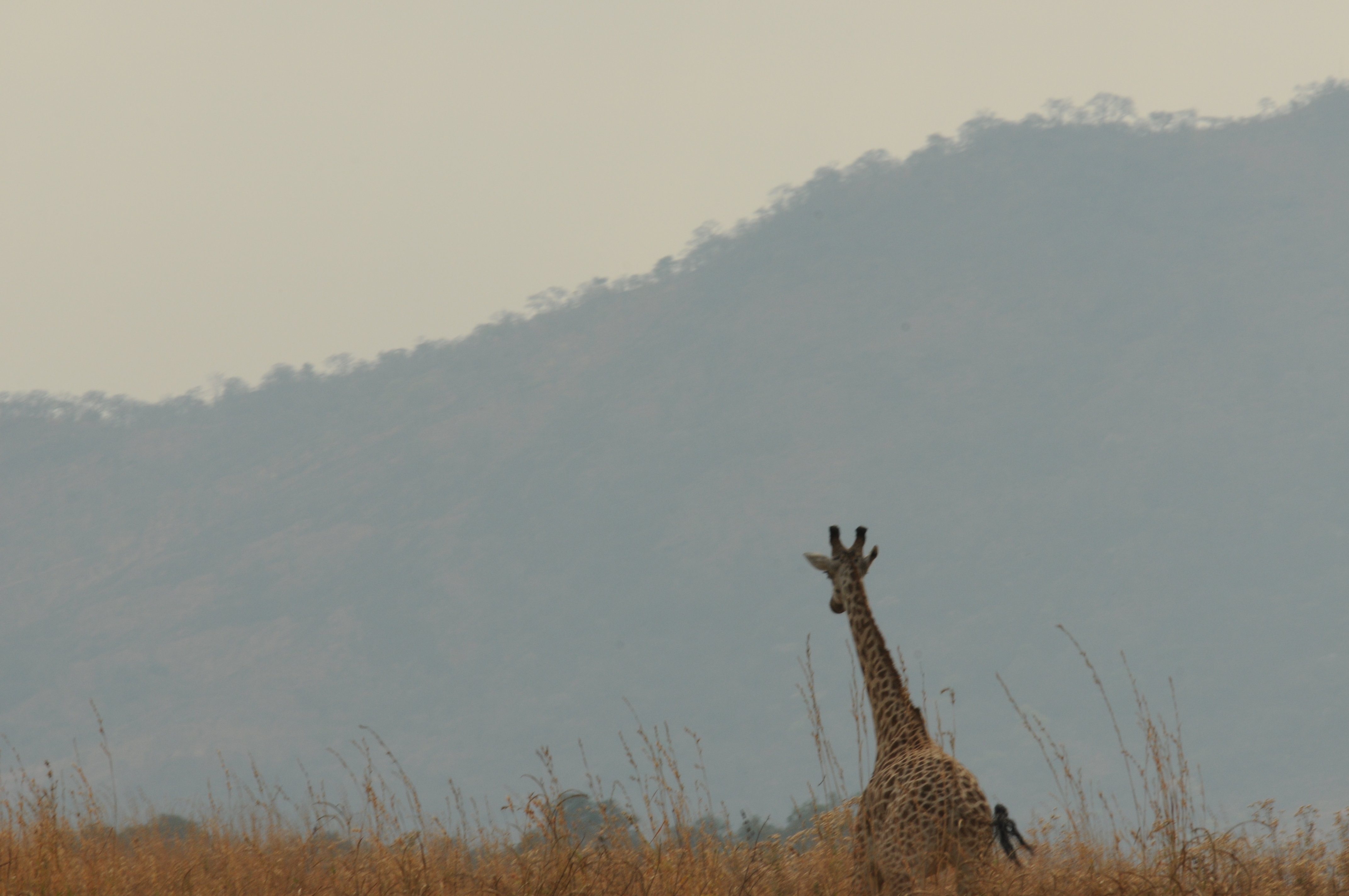
I truly loved Mfuwe Lodge, Kapamba and the safari experience in South Luangwa. I would return in a heartbeat and hope to someday return to Kapamba and some of the other Bushcamps with the Mr..
If you are an experienced safarier (Yes, it’s a word. It’s in the Urban Dictionary), you will probably want to limit your time at Mfuwe Lodge and move on to the Bush Camps. If this is your first safari, Mfuwe Lodge is a great place to start before moving into the Bushcamps. Either way, you will feel welcomed and cared for by the amazing staff, well fed with delicious food and surrounded by beautiful sights and sounds of the African bush. And, if you see Mishek, tell him I say “hi”.
The post Kapamba Bush Camp first appeared on When is Now.]]>This is the third time I have returned home from Africa and with each of these return trips, I have noticed a trend. It seems to take me forever to work my way through pictures and share them. I’ll flip through them hundreds of times and each time, I experience an array of emotions. This process reminds me of the Dr. Seuss quote “Don’t cry because it’s over. Smile because it happened”. And then there is that part about sharing an album that truly tells the story of the experience. I get so hung up on this and struggle with trying to perfectly portray the bliss, beauty, peace and perfection of being in the African bush. But, what I am also learning, is that it is impossible to truly portray the experience, whether it be pictures or words. And, maybe that is the beauty of travel altogether. How you experience a place- what you see, feel, smell, taste, do; what you walk away with- is incredibly personal to you and soley based on your perceptions. This post and the following “Kapamba” post are my experiences in the Zambian bush.
We left Livingstone for Mfuwe with a quick stopover in Lusaka. We arrived in the afternoon and were picked up at the airport by Mishek. Mishek has been a guide for a very long time and has known Jay and Sarah for many years. When they have the choice, Mishek is their go-to guy and it doesn’t take long to realize why. Mishek not only grew up in and around the bush, he has studied long and hard to be a Ranger/Guide. He is knowledgeable, but also has this very calming way about him that just makes you feel comfortable in his presence. And, it is obvious from the first few minutes that you are with him that he has a true love of and respect for the bush. He belongs there. Cool side note: Mishek has an identical twin brother, who is also a guide at the lodge.

We drove down a long dirt road through the town of Mfuwe. The road was busy with people walking and riding their bikes and everyone, especially the children, waved as we drove by. Okay, so maybe we were waving at them from sheer excitement of being there but, they did wave back. We entered the gates of South Luangwa National Park and Mfuwe lodge wasn’t far from the gate entrance. Once we arrived, we were checked in quickly and shown to our rooms. We settled in, freshened up and then made our way back to the restaurant for afternoon tea.
Mfuwe Lodge is much bigger than the 7-10 room lodges I have stayed at in the past and is quite lovely. If you do a quick search on Mfuwe, you will see that it is famous for the family of elephants that parade through their lobby every fall. This is the path that they have taken for years to reach the Mangos from the wild mango tree. It’s just that, at some point, the lodge was built in the path. So, they just roam through it and that seems to work for everyone involved.
The rooms are spacious and cozy. Our room looked out over the watering hole and had a lovely, relaxing deck. As I listened to conversations around me during afternoon tea, I could tell that many were visiting for a second or third time. After filling up on some sandwhiches and tea, it was time to hit the road for our first game drive. I could hardly contain my excitement. There is always the excitement of going out into the bush, but this excitement was charged by knowing that my Mom was going to experience the thrill of seeing beautiful creatures running wild and free and the peace of being in the bush.
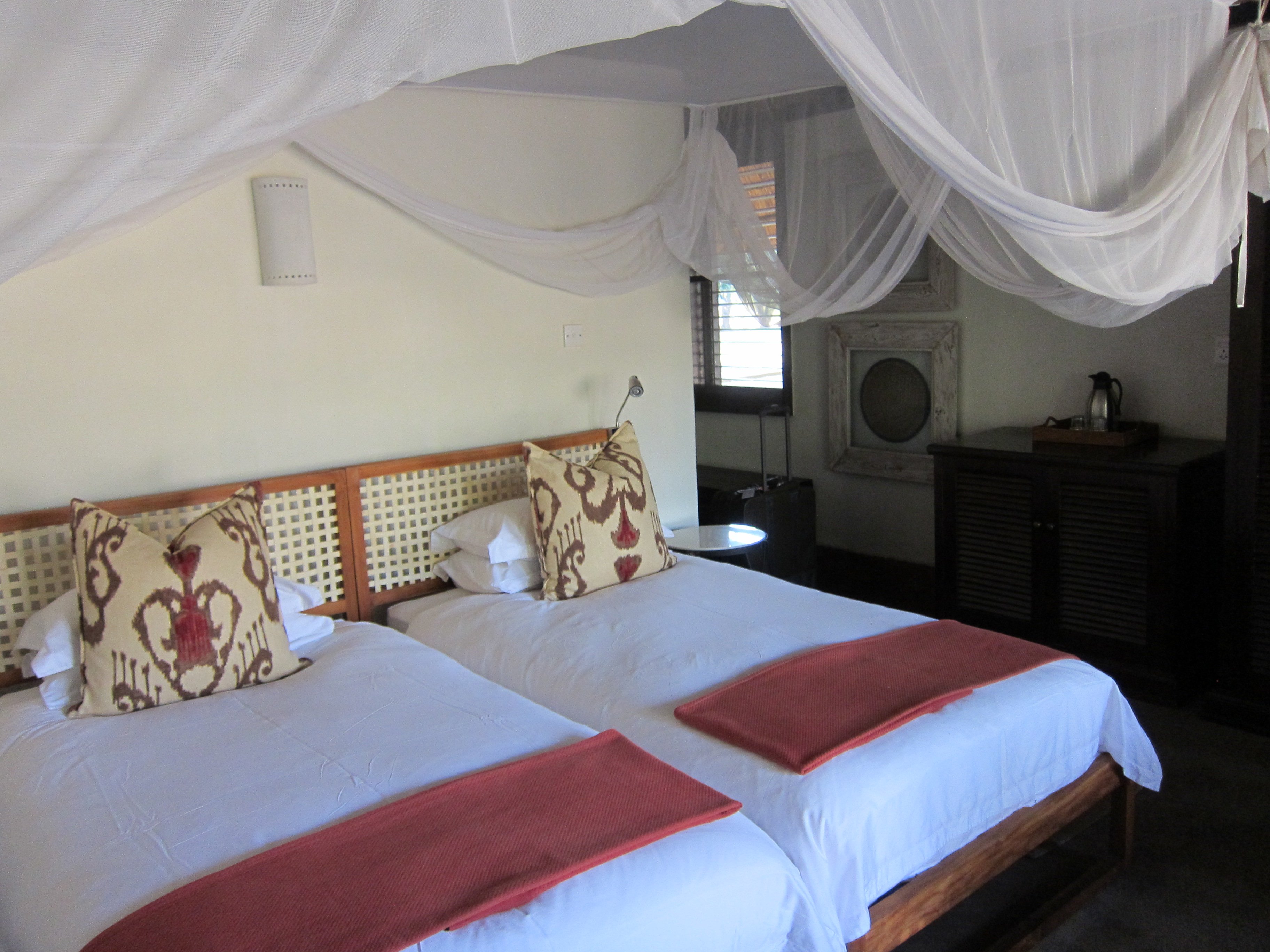
As we left the lodge, we immediately saw two hippos grazing on land. This was a first for me – to see them out of the water and this close.
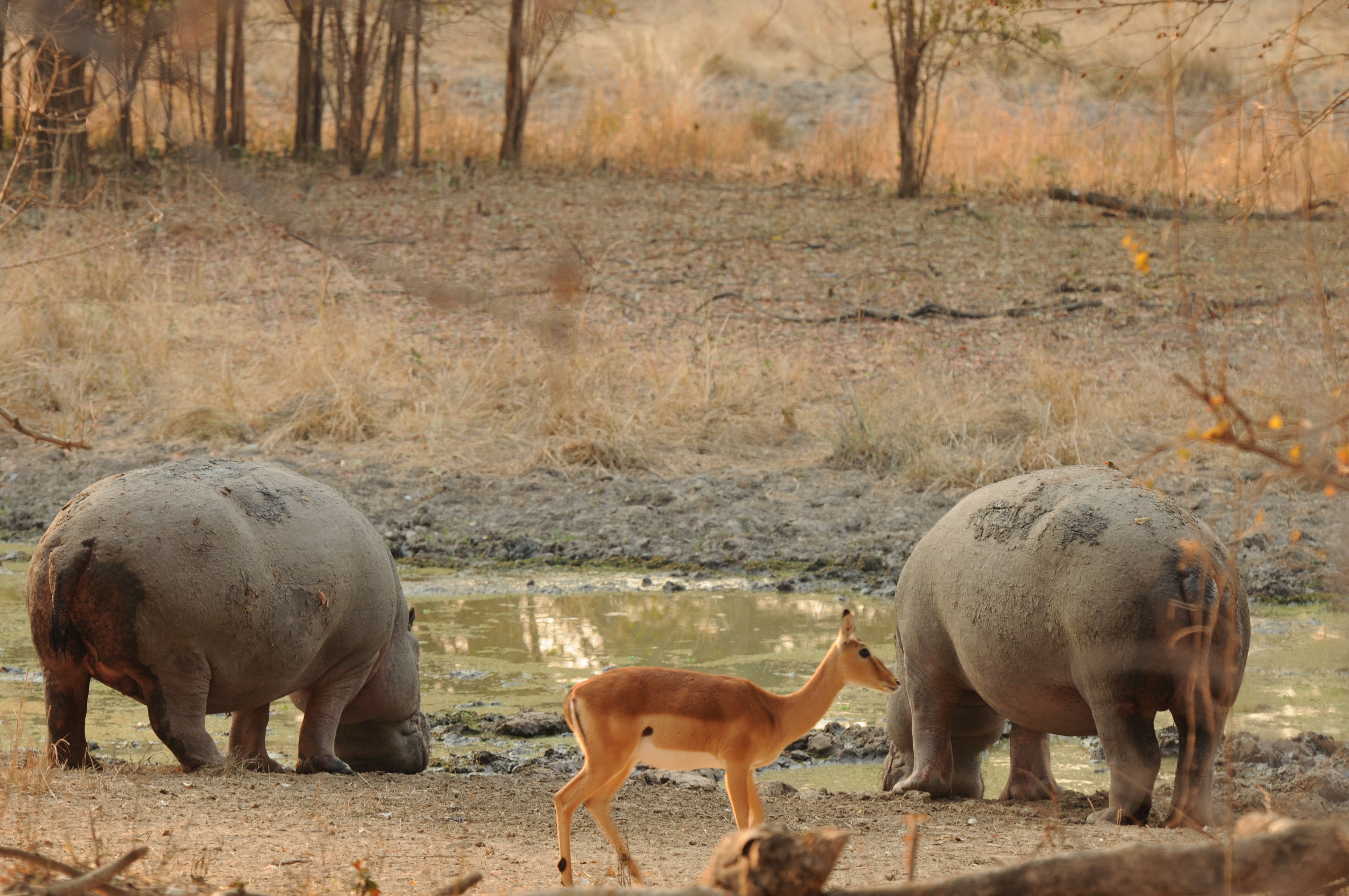
We drove a bit more and moved over to our first sighting: some lions stalking prey. As we pulled up to the area, there were way more vehicles than I was accustomed to seeing. And, as we stayed for a few minutes, more and more vehicles pulled up (these were from several lodges). I started to feel uncomfortable with this, particularly when it became apparent that the hunter we were watching was a very young male.
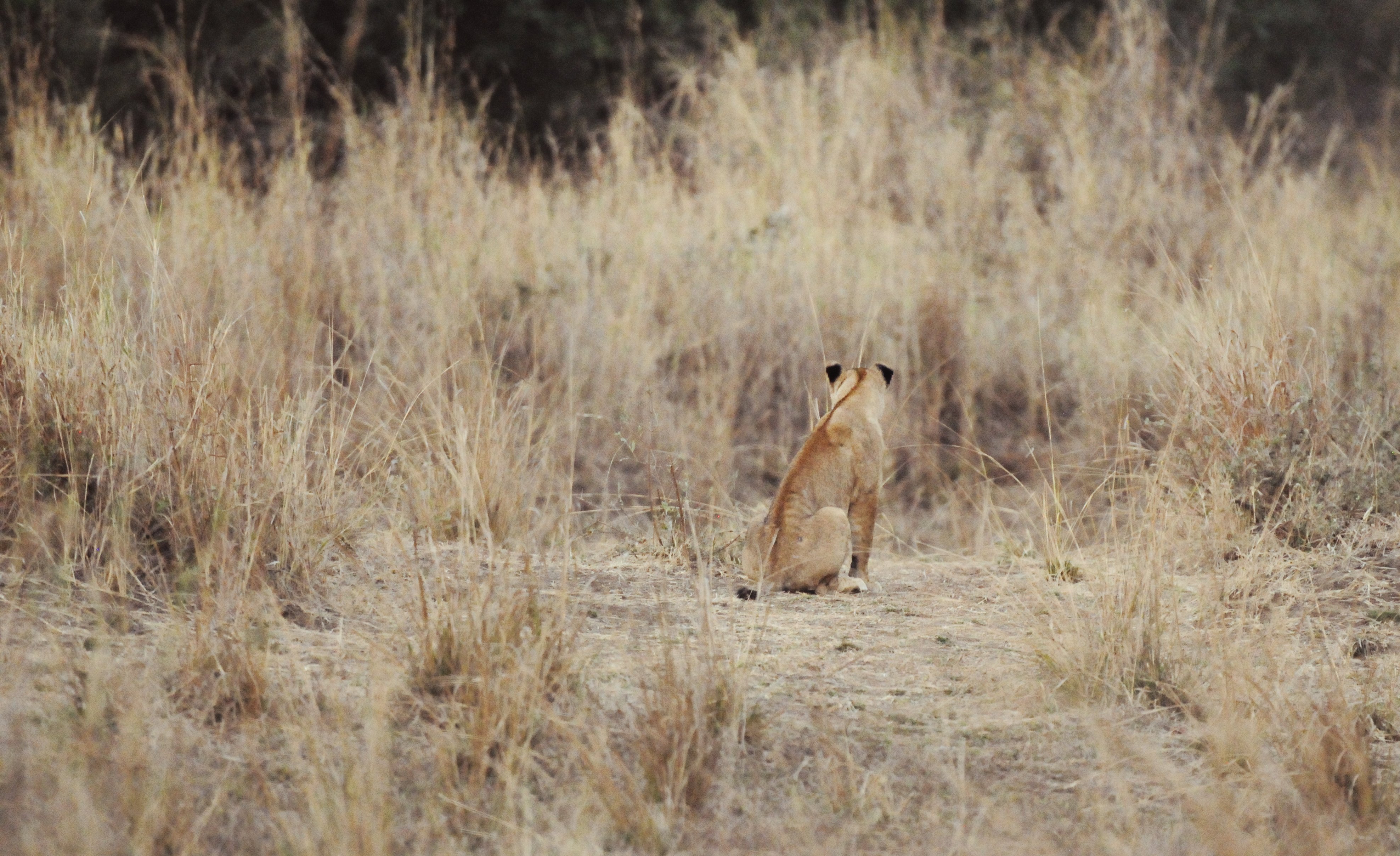
About 10 vehicles were lined up around the cub and, some followed as he began to stalk. This was upsetting to see and, as I was with friends I hadn’t travelled with before, I wasn’t sure how to react. Before I knew it, Jay asked Mishek to leave the area and was also quite agitated with the situation. Thank goodness!! I later saw Jay give some of the other guides (that he knows well) an earful for participating in this silliness. Unfortunately, I saw similar situations throughout the couple of days we were at Mfuwe. And, just to be clear, these are not all vehicles from Mfuwe Lodge nor are they controlled by Mfuwe Lodge.
We had some magnificent sundowners and beautiful game drives at Mfuwe. One of my favorite sightings was one that we saw early on. We saw a young leopard cub in a tree feeding on an impala that his mother had caught and dragged up there for him. His mother patiently cleaned her paws on the ground below him and as he shimmied down the tree to join her, we all held our breaths and crossed our fingers that he wouldn’t make a clumsy mistake.
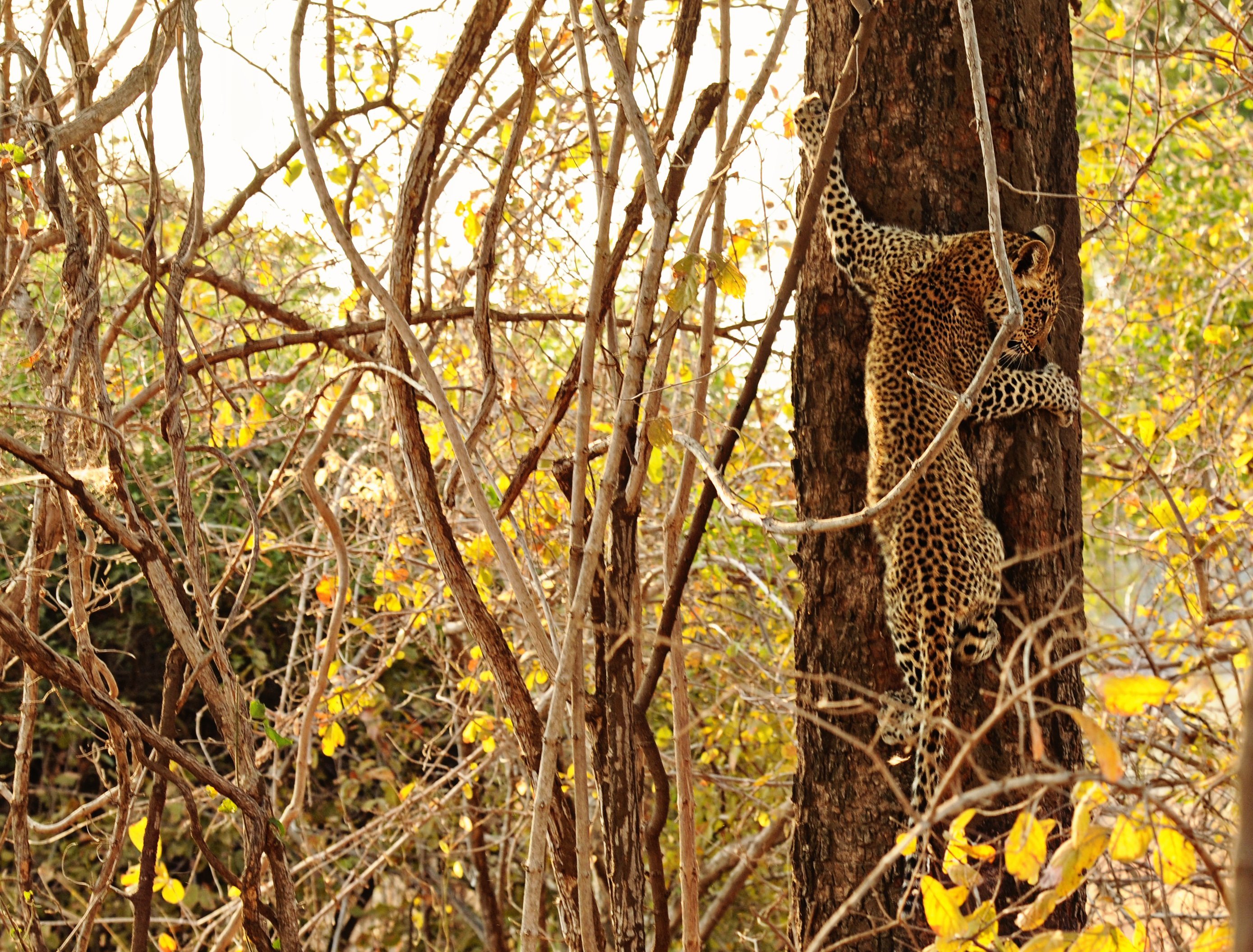
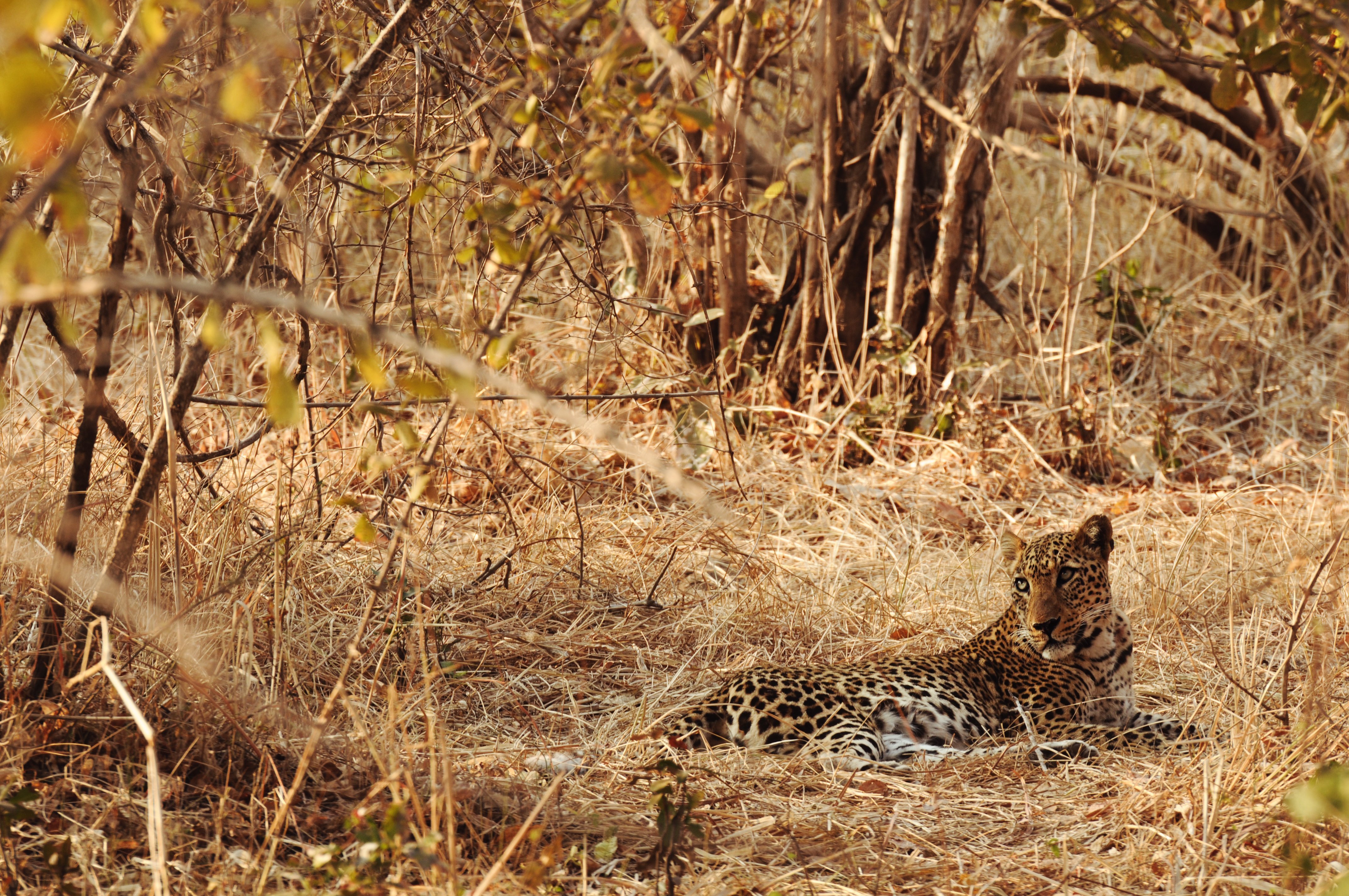
Another favorite was this massive pride that was quite content and full on an animal I would rather not mention. Such is the cycle of life in the bush…
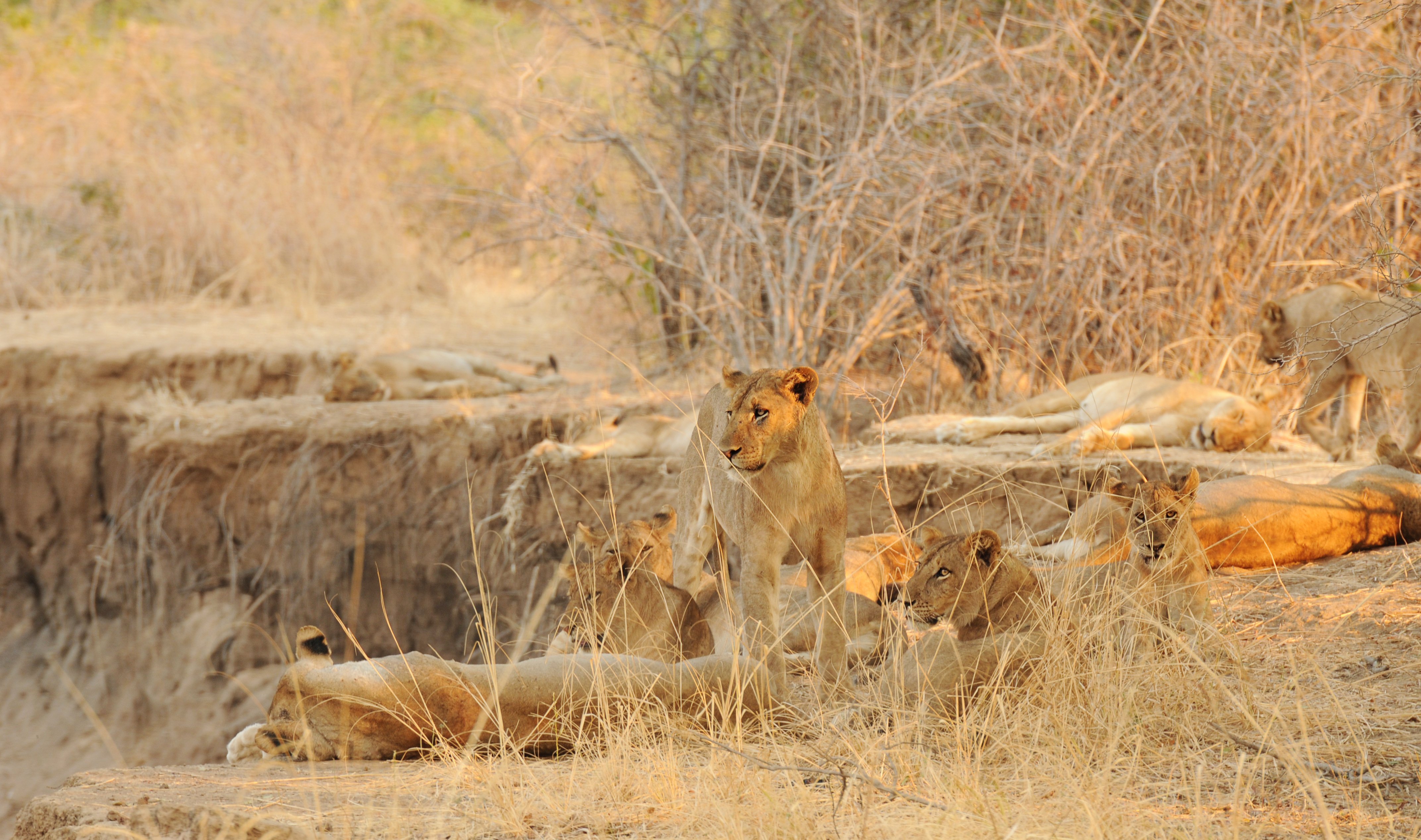
The food at Mfuwe was fantastic! They had just brought in a new chef and she was quite talented. For breakfast, the jungle oats were delicious and for lunch, I loved all of the salad choices. There were some other nice surprises, but I will leave them out of this write-up in case you are reading this in preparation for your trip there.
The U Foundation also supports a large school in the town of Mfuwe. One afternoon, we were fortunate enough to visit the school, meet the head teacher and go out onto the sports field and play with the kids and their new, donated equipment.
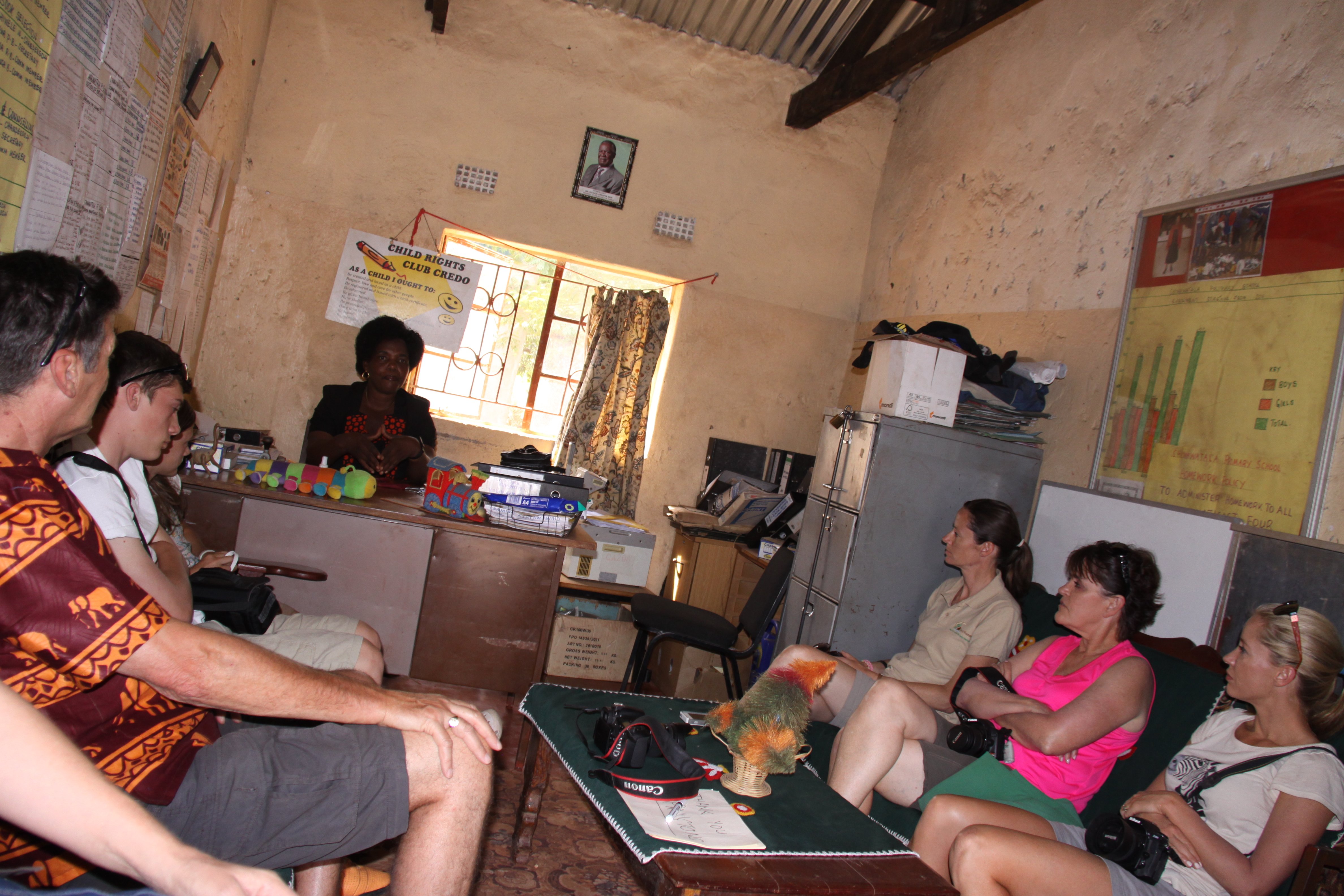
It was such a fun experience. My favorite was watching some of the girls play Netball. I haven’t seen this game in the states, but it looks similar to basketball (but even quicker) and the girls playing were fierce!
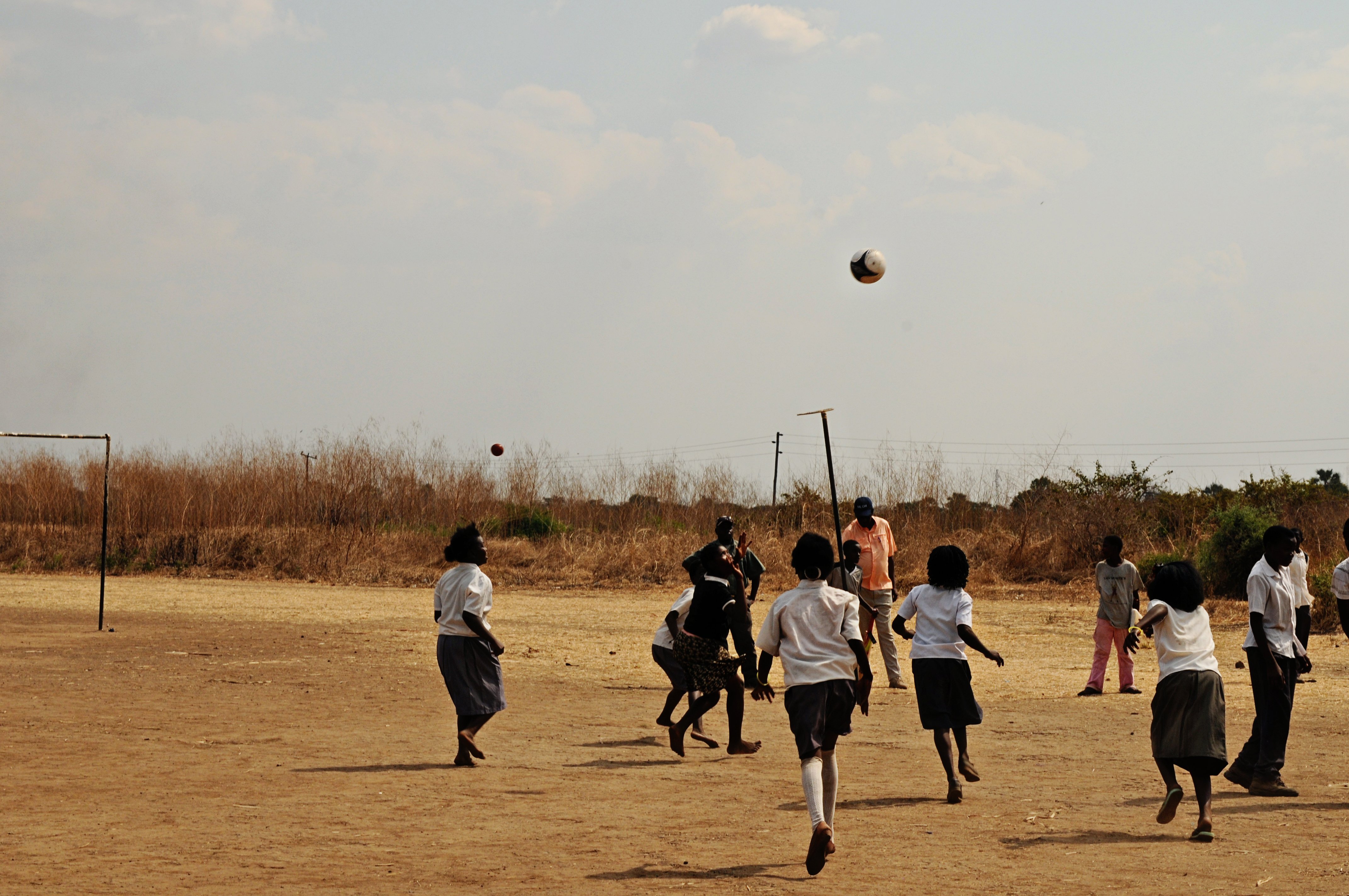
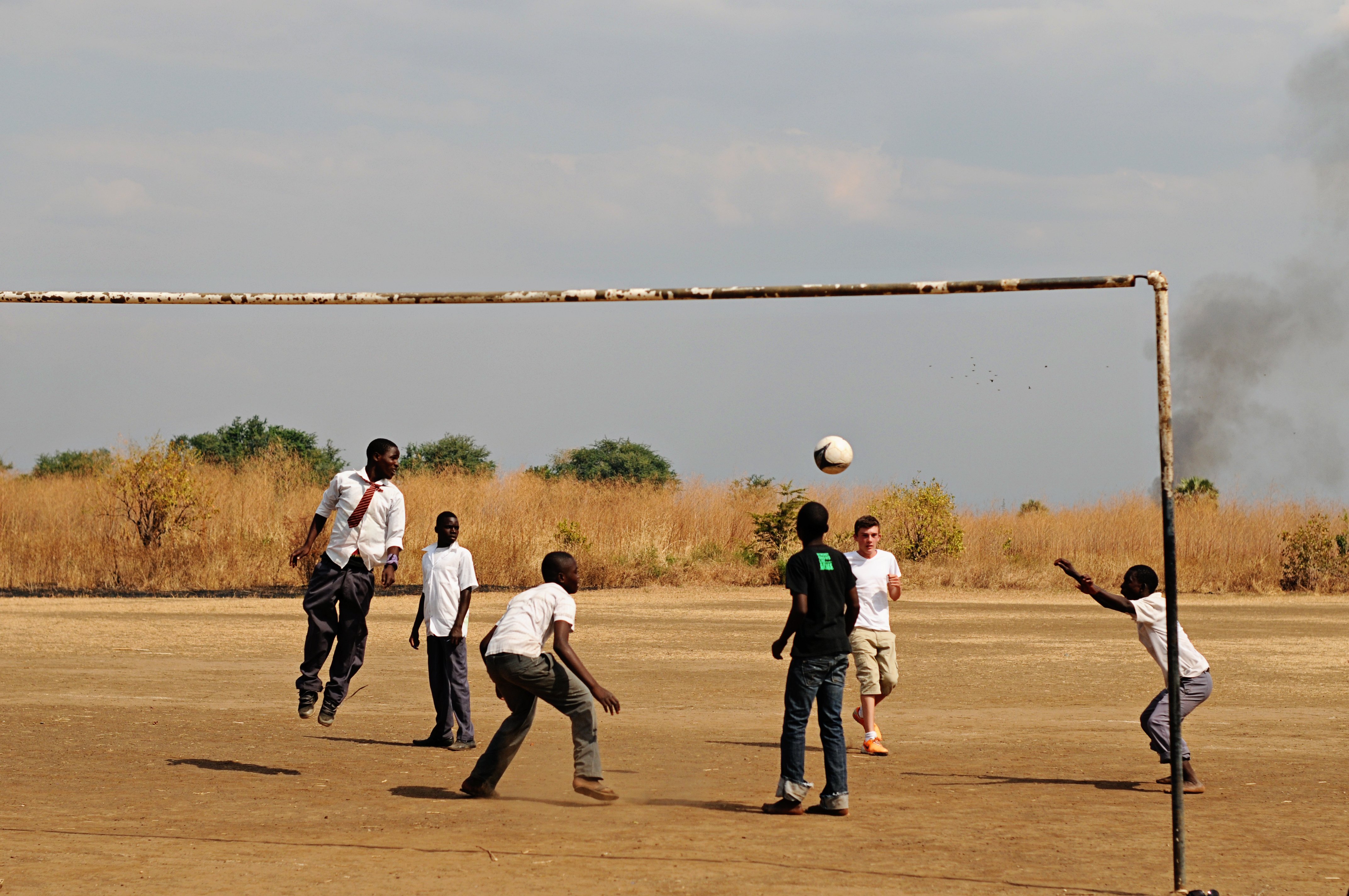
For the most part, Mfuwe Lodge is a stopping off point before heading out to the more isolated “Bush Camps“. There are six bushcamps that are all scattered deep in the bush of the South Luangwa park (hence the name “Bush Camps”). These are much smaller and more intimate than Mfuwe Lodge and I was really looking forward to getting to our Bush Camp, Kapamba.
The post South Luangwa’s Mfuwe Lodge first appeared on When is Now.]]>